PSEB 12th Class Biology Solutions Chapter 11 Biotechnology: Principles and Processes

Punjab State Board PSEB 12th Class Biology Book Solutions Chapter 11 Biotechnology: Principles and Processes Textbook Exercise Questions and Answers.

PSEB Solutions for Class 12 Biology Chapter 11 Biotechnology: Principles and Processes

PSEB 12th Class Biology Guide Biotechnology: Principles and Processes Textbook Questions and Answers
Question 1.
Can you list 10 recombinant proteins which are used in medical ; practice? Find out where they are used as therapeutics (use the internet).
Answer:

Recombinant proteins Therapeutic uses
(a) Insulin Used for diabetes mellitus
(b) OKT-3 Therapeutic antibody, used for reversal
(c) DNase Treatment of cystic fibrosis
(d) Reo Pro Prevention of blood clots
(e) Blood clotting factor VIII Treatment of haemophilia A
(f) Blood clotting factor IX Treatment of haemophilia B
(g) Tissue plasminogen activator For acute myocardial infarction
(h) Interferon alpha (INF alpha) Used for hepatitis C
(i) Interferon beta (INF beta) Used for multiple sclerosis
(j) Interferon gamma (INF gamma) Used for granulomatous disease

Question 2.
Make a chart (with diagrammatic representation) showing a restriction enzyme, the substrate DNA on which it acts, the site at which it cuts DNA and the product it produces.
Answer:
PSEB 12th Class Biology Solutions Chapter 11 Biotechnology Principles and Processes 1

PSEB 12th Class Biology Solutions Chapter 11 Biotechnology: Principles and Processes

Question 3.
From what you have learnt, can you tell whether enzymes are bigger or DNA is bigger in molecular size? How did you know?
Answer:
The molecular size of DNA molecules is more than that of enzymes. It is because an enzyme (protein) is synthesised from a segment of DNA called the gene.

Question 4.
What would be the molar concentration of human DNA in a human cell? Consult your teacher.
Answer:
The molar concentration of human DNA in a human diploid cell is as follows:
Total number of chromosomes × 6.023 × 1023
= 46 × 6.023 × 1023
= 2.77 × 10¹⁸moles

Question 5.
Do eukaryotic cells have restriction endonucleases? Justify your answer.
Answer:
No. Eukaryotic cells do not have restriction endonucleases. All the restriction endonucleases have been isolated from the various strains of bacteria and they are also named according to the genus and species of prokaryotes. The first letter of the enzyme comes from the genus and the second two letters come from the species of the prokaryotic cell from which they have been isolated. For example, EcoRI comes from Escherichia coliRY 13. In EcoRI, the letter ‘R’ is derived from the name of the strain. Roman numbers following the names indicate the order in which the enzymes were isolated from that strain of bacteria.

Question 6.
Besides better aeration and mixing properties, what other advantages do stirred tank bioreactors have over shake flasks?
Answer:
Shake flasks are used for growing microbes and mixing the desired materials on a small scale in the laboratory. However, the large-scale production of a desired biotechnological product requires large stirred tank bioreactors.

Besides better aeration and mixing properties, bioreactors have the following advantages:

  • It has an oxygen delivery system.
  • It has a foam control, temperature and pH control system.
  • Small volumes of culture can be withdrawn periodically.

PSEB 12th Class Biology Solutions Chapter 11 Biotechnology: Principles and Processes

Question 7.
Collect 5 examples of palindromic DNA sequences by consulting your teacher. Better try to create a palindromic sequence by following base-pair rules.
Answer:
Some palindromic DNA sequences and the restriction enzymes which act on them are as follows :

  • 5′-AGCT-3′ Alul (Arthrobacter luteus)
    3′-TCGA-5′
  • 5′-GAATTC-3′ EcoRI (Escherichia coli)
    3′-CTTAAG-5′
  • 5′-AAGCTT-3′ Hindlil (Haemophilus influenzae)
    3′-TTCGAA-5′
  • 5′-GTCGAC-3′ Sail (Streptomyces albus)
    3′-CAGCTG-5′
  • 5′-CTGCAG-3′ PstI (Providencia stuartii)
    3′-GACGTC-5′

Question 8.
Can you recall meiosis and indicate at what stage a recombinant DNA is made?
Answer:
A recombinant DNA is made in the pachytene stage of prophase I by f crossing over.

Question 9.
Can you think and answer how a reporter enzyme can be used to
monitor transformation of host cells by foreign DNA in addition to a selectable marker?
Answer:
Reporter enzyme can differentiate recombinants from non-recombinants on the basis of their ability to produce a specific colour in the presence of a chromogenic substrate. DNA is inserted within the coding sequence of the enzyme p-galactosidase. This results into inactivation of the enzyme which is referred to as insertional inactivation.

The presence of a chromogenic substrate gives blue-coloured colonies if the plasmid in the bacteria does not have an insert. The presence of the insert results in insertional inactivation of α-galactosidase and the colonies do not produce any colour. These are identified as recombinant colonies.

Question 10.
Describe briefly the following:
(a) Origin of replication
(b) Bioreactors
(c) Downstream processing
Answer:
(a) Origin of Replication: This is a sequence from where replication starts and any piece of DNA when linked to this sequence can be made to replicate within the host cells. This sequence is also responsible for controlling the copy number of the linked DNA. So, if one wants to recover many copies of the target DNA it should be cloned in a vector whose origin supports a high copy number.

(b) Bioreactors: Bioreactors are vessels in which raw materials are biologically converted into specific products, individual enzymes etc. using microbial plant, animal or human cells. A bioreactor provides the optimal conditions for achieving the desired product by providing optimum growth conditions (temperature, pH, substrate, salts, vitamins, oxygen). The most commonly used bioreactors are of stirring type. A biogas plant is a good example of a bioreactor.

(c) Downstream Processing: After completion of the biosynthetic stage, the product is subjected through a series of processes before it is ready for marketing as a finished product. The processes include separation and purification, which are collectively referred to as downstream processing. The product has to be formulated with suitable preservatives. Such formulation has to undergo thorough clinical trials as in the case of drugs. Strict quality control testing for each product is also required. Downstream processing and quality control testing vary from product to product.

Question 11.
Explain briefly
(a) PCR
(b) Restriction enzymes and DNA
(c) Chitinase
Answer:
(a) PCR: PCR stands for Polymerase Chain Reaction. In this reaction multiple copies of the gene (or DNA) of interest is synthesised in vitro using two sets of primers and the enzyme DNA polymerase. The enzyme extends the primers using the nucleotides provided in the reaction and the genomic DNA as template. The segment of DNA can be amplified to approximately billion times if the process of replication of DNA is repeated many times.

(b) Restriction Enzymes and DNA: Restriction enzymes are synthesised by microbes as a defence mechanism and are specifically endonucleases which cleave the double-stranded DNA with the desired genes. This activity occurs at a limited number of sites depending on the number of recognition sequences in DNA. Lysing enzymes, synthesising enzymes (DNA polymerase and reverse transcriptase) and ligases are also tools of genetic engineering.

(c) Chitinase: During the isolation of DNA in the processes of recombinant DNA technology, the fungal cell is heated with an enzyme called chitinase. The chitinase enzyme dissolves the chitin membrane to open the cell for release of DNA along with other macromolecules such as RNA, proteins, polysaccharides and lipids.

PSEB 12th Class Biology Solutions Chapter 11 Biotechnology: Principles and Processes

Question 12.
Discuss with your teacher and find out how to distinguish between
(a) Plasmid DNA and Chromosomal DNA
(b) RNA and DNA
(c) Exonuclease and Endonuclease
Answer:
(a)

Plasmid DNA Chromosomal DNA
Plasmid DNA is the naked double-stranded DNA which forms a circle with no free ends. It is associated with few proteins but contains RNA polymerase enzyme. They are smaller than the host chromosomes and can be easily separated. Chromosomal DNA is a double-stranded linear DNA molecule associated with large proteins. This DNA exists in relaxed and supercoiled forms and provides a template for replication and transcription. It has free ends represented as 3′-5′.

(b)

DNA RNA
(i) It is mainly confined to the nucleus. A small quantity occurs in mitochondria and chloroplasts. It mainly occurs in the cytoplasm. A small quantity is found in the nucleus.
(ii) Its quantity is constant in each cell of a species. Its quantity varies in different cells.
(iii) It contains deoxyribose sugar. It contains ribose sugar.
(iv) Its pyrimidines are adenine and thymine. Its pyrimidines are adenine and uracil.
(v) The amount of adenine is equal to the amount of thymine. Also, the amount of cytosine is equal to the amount of guanine. Adenine and uracil are not necessarily in equal amounts, nor are cytosine and guanine necessarily in equal amounts.
(vi) It can replicate itself. It cannot replicate itself. It is formed by DNA. Some RNA viruses (paramyxo virus) can produce RNA from an RNA template.

(c) Exonucleases are nucleases which cut off the nucleotides from the 5′ or 3′ ends of a DNA molecule, whereas endonucleases are nucleases which cleave the DNA duplex at any point except at the ends.

PSEB 12th Class Biology Important Questions Chapter 10 Microbes in Human Welfare

Punjab State Board PSEB 12th Class Biology Important Questions Chapter 10 Microbes in Human Welfare Important Questions and Answers.

PSEB 12th Class Biology Important Questions Chapter 10 Microbes in Human Welfare

Very short answer type questions

Question 1.
Give an example of a rod-shaped virus,
Answer:
Tobacco mosaic virus.

Question 2.
Which one of the following is the baker’s yeast used in fermentation?
Saccharum barberi, Saccharomyces cerevisiae, Sonalika.
Answer:
Saccharomyces cerevisiae.

Question 3.
Why is distillation required for producing certain alcoholic drinks? [NCERT Exemplar]
Answer:
Distillation increases the alcohol content in alcoholic drinks.

PSEB 12th Class Biology Important Questions Chapter 10 Microbes in Human Welfare

Question 4.
What would have happened if antibiotics were not discovered? s [NCERT Exemplar]
Answer:
If antibiotics were not discovered, bacterial and fungal diseases would , not have been controllable.

Question 5.
Give the scientific name of the source organism from which the first antibiotic was produced.
Answer:
Penicillium notatum.

Question 6.
Write the scientific name of the microbe used for fermenting
malted cereals and fruit juices.
Answer:
Saccharomyces cerevisiae.

Question 7.
Name a microbe used for statin production. How do statins lower blood cholesterol level? [NCERT Exemplar]
Answer:
Monascus purpureus is used for statin production. Statins lower blood cholesterol level by competitively inhibiting the enzyme responsible for . synthesis of cholesterol.

PSEB 12th Class Biology Important Questions Chapter 10 Microbes in Human Welfare

Question 8.
Name the group of organisms and the substrate they act on to produce biogas.
Answer:
Name of the group of organisms – Methanogens.
Substrate – Cellulosic material/cow dung/agriculture waste.

Question 9.
Name any genetically modified crop. [NCERT Exemplar]
Answer:
Bt. cotton.

Question 10.
What are Nucleopolyhedroviruses being used for nowadays? [NCERT Exemplar]
Answer:
Nucleopolyhedroviruses are used for the biological control of insect pests.

Question 11.
Which of the following is a free-living bacteria that can fix nitrogen in the soil?
Answer:
Spirulina, Azospirillum, Sonalika Ans. Azospirillum.

Question 12.
Mention the role of cyanobacteria as a biofertiliser.
Answer:
It is a biological organism that fixes atmospheric nitrogen.

PSEB 12th Class Biology Important Questions Chapter 10 Microbes in Human Welfare

Short answer type questions

Question 1.
Name the source of streptokinase. How does this bioactive molecule function in our body?
Answer:
Source: Streptococcus.
Streptokinase is a clot buster, i.e., it removes clot from the blood vessels of patients who had a heart attack.

Question 2.
Why are some molecules called bioactive molecules? Give two examples of such molecules.
Answer:
This is because microbes like bacteria or fungi are used in their production, e.g.,
Citric acid – Acetic acid
Butyric acid – Lactic acid
Ethanol – Lipases
Streptokinase – Cyclosporin A (Any two)

Question 3.
Given below is a list of six microorganisms. State their usefulness to humans.
(a) Nucleopolyhedrovirus
(b) Saccharomyces eerevisiae
(c) Monascus purpureus
(d) Trichoderma polysporum
(e) Penicillium notatum
(f) Propionibacterium sharmanii
Answer:
(a) Nucleopolyhedrovirus: Biocontrol agents for pest.
(b) Saccharomyces eerevisiae: Bread making and alcohol/wine production.
(c) Monascus purpureus: Statins-blood cholesterol lowering agents.
(d) Trichoderma polysporum: Cyclosporin-A, immune suppressing medicine in organ transplant patients.
(e) Penicillium notation: Penicillin, a anti-bacterial antibiotic.
(f) Propionibacterium sharmanii: Preparation of Swiss cheese with large holes.

PSEB 12th Class Biology Important Questions Chapter 10 Microbes in Human Welfare

Question 4.
What are methanogens? How do they help to generate biogas?
Or What are methanogens? Nameanimals they are present in and the role they play there?
Answer:
Methanogens are the bacteria which are grown anaerobically on cellulose material and produce large amount of methane along with CO2 and H2S.

Methanobacterium is the common methanogen found in the anaerobic sludge during sewage treatment. These bacteria are also present in the rumen (a part of the stomach) of cattle. In rumen, these bacteria help in the breakdown of cellulose present in the food of cattle. Hence, they play an important role in the nutrition of cattle.

The excreta (dung) of cattle commonly called gobar is rich in cellulosic material and these bacteria. Dung can be used for generation of biogas commonly called Gobar gas.
Note: Human beings are unable to digest cellulose in the vegetable food because the enzyme cellulose is not secreted. Cellulose forms the roughage in the body.

Question 5.
(a) How do organic fanners control pests? Give two examples, (b) State the difference in their approach from that of conventional pest control methods.
Answer:
(a) Organic farmers control pests by use of biological methods (biocontrol). They use natural enemy of the pest such as predator or parasite, by introducing these biocontrol agents in the field.
Example:
(i) Ladybird – a beetle and dragonflies are used to get rid of aphids and mosquitoes.
(ii) Bacillus thuringiensis, a bacterium is introduced into crop plants to control butterflies and caterpillars.

(b) In conventional pest control, toxic chemical pesticides are used which are expensive, persist, pollute the environment and kill both the target and non-target pests (beneficiary and parasitic insects which depend upon pests).

PSEB 12th Class Biology Important Questions Chapter 10 Microbes in Human Welfare

Long answer type questions

Question 1.
Explain the process of sewage water treatment before it can be discharged into natural water bodies. Why is this treatment essential?
Or Explain the different steps involved in sewage treatment before it can be released into natural water bodies.
Or Secondary treatment of the sewage can also called biological treatment. Justify this statement and explain the process.
Or Explain the different steps involved during primary treatment phase of sewage.
Or Explain the process of secondary treatment given to the primary effluent up to the point it shows significant change in the level of biological oxygen demand (BOD) in it.
Answer:
Sewage water treatment involves two steps:
(i) Primary treatment and
(ii) Secondary treatment.

(i) Primary Treatment: It is a physical process of removing small and large particles through filtration and sedimentation. Firstly, the sewage is passed through the wire mesh of screens of sequentially smaller pore sizes to remove floating objects (like polythene bags etc). Then the grit is sedimented by passing the sewage into a grit chamber. The sewage is then kept in settling tanks, where the suspended materials settle down to form the primary sludge. The effluent is then taken for secondary treatment.

(ii) Secondary Treatment: It is a biological process by the heterotrophic bacteria naturally present in the sewage. The primary effluent is passed into large aeration tanks where it is constantly agitated and air is pumped out. This causes the rapid growth of aerobic microbes into ‘floes’ which consume the organic matter of sewage leading to the reduction in biochemical oxygen demand (BOD). After the significant reduction in BOD of sewage, the effluent is passed into settling tanks where floes are sedimented leading to the formation of activated sludge. A part of this activated sludge is used as inoculum which is pumped back into the aeration tanks. The major part of this sludge is pumped into anaerobic sludge digesters, where its digestion occurs by the anaerobic bacteria producing methane, hydrogen sulphide and carbon dioxide. These gases form biogas. After secondary treatment the effluent is released into natural water bodies like streams and rivers.

PSEB 12th Class Biology Solutions Chapter 10 Microbes in Human Welfare

Punjab State Board PSEB 12th Class Biology Book Solutions Chapter 10 Microbes in Human Welfare Textbook Exercise Questions and Answers.

PSEB Solutions for Class 12 Biology Chapter 10 Microbes in Human Welfare

PSEB 12th Class Biology Guide Microbes in Human Welfare Textbook Questions and Answers

Question 1.
Bacteria cannot be seen with the naked eyes, but these can be seen with the help of a microscope. If you have to carry a sample from your home to your biology laboratory to demonstrate the presence of microbes under a microscope, which sample would you carry and why?
Answer:
Curd can be used as a sample for the study of microbes. Curd contains numerous lactic acid bacteria (LAB) or Lactobacillus. These bacteria produce acids that coagulate and digest milk proteins. A small drop of curd contains millions of bacteria, which can be easily observed under a microscope.

Question 2.
Give examples to prove that microbes release gases during metabolism.
Answer:
The examples of microbes that release gases during metabolism are as follows :
(a) Bacteria and fungi carry out the process of fermentation and during this process, they release carbon dioxide. Fermentation is the process of converting a complex organic substance into a simpler substance with the action of bacteria or yeast. Fermentation of sugar produces alcohol with the release of carbon dioxide and very little energy.
PSEB 12th Class Biology Solutions Chapter 10 Microbes in Human Welfare 1
(b) The dough used for making idli and dosa gives a puffed appearance. This is because of the action of bacteria which releases carbon dioxide. This CO2 released from the dough gets trapped in the dough, thereby giving it a puffed appearance.

PSEB 12th Class Biology Solutions Chapter 10 Microbes in Human Welfare

Question 3.
In which food would you find lactic acid bacteria? Mention some of their useful applications.
Answer:
Lactic acid bacteria can be found in curd. It is this bacterium that promotes the formation of milk into curd. The bacterium multiplies and increases its number, which converts the milk into curd. They also increase the content of vitamin B12 in curd.
Lactic acid bacteria are also found in our stomach where it keeps a check on the disease-causing micro-organisms.

Question 4.
Name some traditional Indian foods made of wheat, rice and Bengal gram (or their products) which involve use of microbes.
Answer:

  1. Wheat Product: Bread, cake etc.
  2. Rice Product: Idli, dosa etc.
  3. Bengal Gram Product: Dhokla, khandvi etc.

Question 5.
In which way have microbes played a m^jor role in controlling diseases caused by harmful bacteria?
Answer:
Several micro-organisms are used for preparing medicines. Antibiotics are medicines produced by certain micro-organisms to kill other disease-causing micro-organisms. These medicines are commonly obtained from bacteria and fungi. They either kill or stop the growth of disease-causing micro-organisms. Streptomycin, tetracycline, and penicillin are common antibiotics. Penicillium notatum produces chemical penicillin, which checks the growth of Staphylococci bacteria in the body. Antibiotics are designed to destroy bacteria by weakening their cell walls. As a result of this weakening, certain immune cells such as the white blood cells enter the bacterial cell and cause cell lysis. Cell lysis is the process of destroying cells such as blood cells and bacteria.

Question 6.
Name any two species of fungus, which are used in the production of the antibiotics.
Answer:
Antibiotics are medicines that are produced by certain micro-organisms to kill other disease-causing micro-organisms. These medicines are commonly obtained from bacteria and fungi.
The species of fungus used in the production of antibiotics are as follows:

Antibiotic Fungus source
1. Penicillin Penicillium notatum
2. Cephalosporin Cephalosporium acremonium

PSEB 12th Class Biology Solutions Chapter 10 Microbes in Human Welfare

Question 7.
What is sewage? In which way can sewage be harmful to us?
Answer:
Sewage is the municipal waste matter that is carried away in sewers and drains. It includes both liquid and solid wastes, rich in organic matter and microbes. Many of these microbes are pathogenic and can cause several water borne diseases. Sewage water is a major cause of polluting drinking water. Hence, it is essential that sewage water is properly collected, treated, and disposed. If untreated sewage is disposed into rivers and streams, it will pollute the water bodies.

Question 8.
What is the key difference between primary and secondary sewage treatment?
Answer:

Primary sewage treatment Secondary sewage treatment
1. It is a mechanical process involving the removal of coarse solid materials. It is a biological process involving the action of microbes.
2. It is inexpensive and relatively less complicated. It is a very expensive and complicated process.

Question 9.
Do you think microbes can also be used as source of energy? If yes, how?
Answer:
Yes, microbes can be used as a source of energy. Bacteria such as Methane bacterium is used for the generation of gobar gas or biogas.

The generation of biogas is an anaerobic process in a biogas plant, which consists of a concrete tank (10-15 feet deep) with sufficient outlets and inlets. The dung is mixed with water to form the slurry and thrown into the tank. The digester of the tank is filled with numerous anaerobic methane-producing bacteria, which produce biogas from the slurry. Biogas can be removed through the pipe which is then used as a source of energy, while the spent slurry is removed from the outlet and is used as a fertiliser.

Question 10.
Microbes can be used to decrease the use of chemical fertilisers and pesticides. Explain how this can be accomplished.
Answer:
Microbes play an important role in organic farming, which is done without the use of chemical fertilisers and pesticides. Bio-fertilisers are living organisms which help increase the fertility of soil. It involves the ’ selection of beneficial micro-organisms that help in improving plant growth through the supply of plant nutrients. Bio-fertilisers are introduced in seeds, roots, or soil to mobilise the availability of nutrients. Thus, they are extremely beneficial in enriching the soil with organic nutrients. Many species of bacteria and cyanobacteria have the ability to fix free atmospheric nitrogen. Rhizobium is a symbiotic bacteria found in the root nodules of leguminous plants. Azpirillum and Azotobacter are free living nitrogen-fixing bacteria whereas Anabaena, Nostoc and Oscillatoria are examples of nitrogen-fixing cyanobacteria. Bio-fertilisers are cost effective and eco-friendly.

Microbes can also act as bio-pesticides to control insect pests in plants.
An example of bio-pesticides is Bacillus thuringiensis, which produces a toxin that kills the insect pests. Dried bacterial spores are mixed in water and sprayed in agricultural fields. When larvae of insects feed on crops, these bacterial spores enter the gut of the larvae and release r toxins, thereby it. Similarly, Trichoderma are free living fungi. They live in the roots of higher plants and protect them from various pathogens.

Baculoviruses is another bio-pesticide that is used as a biological control I agent against insects and other arthropods.

PSEB 12th Class Biology Solutions Chapter 10 Microbes in Human Welfare

Question 11.
Three water samples namely river water, untreated sewage water and secondary effluent discharged from a sewage treatment plant were subjected to BOD test. The samples were labelled A, B and C; but the laboratory attendant did not note which was which. The BOD values of the three samples A, B and C were recorded as 20mg/L, 8mg/L and 400mg/L, respectively. Which sample of the water is most polluted? Can you assign the correct label to each assuming the river water is relatively clean?
Answer:
Biological oxygen demand (BOD) is the method of determining the amount of oxygen required by micro-organisms to decompose the waste present in the water supply. If the quantity of organic wastes in the water supply is high, then the number of decomposing bacteria present in the water will also be high. As a result, the BOD value will increase. Therefore, it can be concluded that if the water supply is more polluted, then it will have a higher BOD value. Out of the above three samples, sample C is the most polluted since it has the maximum BOD value of 400 mg/L.

After untreated sewage water, secondary effluent discharge from a sewage treatment plant is most polluted. Thus, sample A is secondary effluent discharge from a sewage treatment plant and has the BOD value of 20 mg/L, while sample B is river water and has the BOD value of 8 mg/L.
Hence, the correct label for each sample is:

Label BOD value Sample
A. 20 mg/L Secondary effluent discharge from a sewage treatment plant
B. 8 mg/L River water
C. 400 mg/L Untreated sewage water

Question 12.
Find out the name of the microbes from which Cyclosporin A (an immunosuppressive drug) and Statins (blood cholesterol lowering agents) are obtained.
Answer:

Drug Function Microbe
1. Cyclosporin-A Immuno suppressive drug Trichoderma polysporum
2. Statin Blood cholesterol lowering agent Monascus purpureus

Question 13.
Find out the role of microbes in the following and discuss it with your teacher.
(a) Single cell protein (SCP)
(b) Soil
Answer:
(a) Single Cell Protein (SCP): A single cell protein is a protein obtained from certain microbes, which forms an alternate source of proteins in animal feeds. The microbes involved in the preparation of single cell proteins are algae, yeast, or bacteria. These microbes are grown on an industrial scale to obtain the desired protein. For example, Spirulina can be grown on waste materials obtained from molasses, sewage, and animal manures. It serves as a rich supplement of dietary nutrients such as proteins, carbohydrate, fats, minerals, and vitamins. Similarly, micro-organisms such as Methylophilus and methylotrophus have a large rate of biomass production. Their growth can produce a large amount of proteins.

(b) Soil: Microbes play an important role in maintaining soil fertility. They help in the formation of nutrient-rich humus by the process of decomposition. Many species of bacteria and cyanobacteria have the ability to fix atmospheric nitrogen into usable form. Rhizobium is a symbiotic bacteria found in the root nodules of leguminous plants. Azospirillum and Azotobacter are free living nitrogen-fixing bacteria, whereas Anabaena, Nostoc, and Oscillatoria are examples of nitrogen-fixing cyanobacteria.

PSEB 12th Class Biology Solutions Chapter 10 Microbes in Human Welfare

Question 14.
Arrange the following in the decreasing order (most important first) of their importance, for the welfare of human society. Give reasons for your answer.
Biogas, Citric acid, Penicillin and Curd
Answer:
The order of arrangement of products according to their decreasing importance is :
Penicillin > Biogas > Citric acid > Curd
Penicillin is the most important product for the welfare of human society. It is an antibiotic, which is used for controlling various bacterial diseases. The second most important product is biogas. It is aneco-friendly source of energy. The next important product is citric acid, which is used as a food preservative. The least important product is curd, a food item obtained by the action of Lactobacillus bacteria on milk.

Question 15.
How do biofertilisers enrich the fertility of the soil?
Answer:
Bio-fertilisers are living organisms which help in increasing the fertility of soil. It involves the selection of beneficial micro-organisms that help in improving plant growth through the supply of plant nutrients. These are introduced to seeds, roots, or soil to mobilise the availability of nutrients by their biological activity. Thus, they are extremely beneficial jf in enriching the soil with organic nutrients. Many species of bacteria and cyanobacteria have the ability to fix free atmospheric nitrogen. Rhizobium is a symbiotic bacteria found in the root nodules of leguminous plants. Azospirillum and Azotobacter are free living nitrogen-fixing bacteria, whereas Anabaena, Nostoc, and Oscillatoria are examples of nitrogen-fixing cyanobacteria. Bio-fertilisers are cost effective and eco-friendly.

PSEB 12th Class Biology Important Questions Chapter 9 Strategies for Enhancement in Food Production

Punjab State Board PSEB 12th Class Biology Important Questions Chapter 9 Strategies for Enhancement in Food Production Important Questions and Answers.

PSEB 12th Class Biology Important Questions Chapter 9 Strategies for Enhancement in Food Production

Very short answer type questions

Question 1.
Suggest the breeding method most suitable for animals1 that are below average in milk productivity.
Answer:
Outcrossing.

Question 2.
How is a mule produced?
Answer:
The mule is produced by breeding between male donkey and female horse (mare).

Question 3.
Write the name of the following:
(a) The most common species of bees suitable for apiculture.
(b) An improved breed of chicken.
Answer:
(a) Apis indica/Apis mellifera/Apis dorsata
(b) Leghorn/Rhode island red/Minorcha.

PSEB 12th Class Biology Important Questions Chapter 9 Strategies for Enhancement in Food Production

Question 4.
List any two economically important products for humans obtained from Apis indica.
Answer:
Honey and beeswax.

Question 5.
Which of the following is the semi-dwarf wheat that is high yielding and disease resistant?
Pusa Shubhra, Kalyan Sona, Ratna
Answer:
Kalyan Sona.

Question 6.
Write the names of two semi-dwarf and high yielding rice varieties developed in India after 1966.
Answer:
Jaya, Ratna.

Question 7.
Why is the South Indian sugarcane preferred by agriculturalists?
Answer:
South Indian sugarcane has thicker stem and higher sugar content.

PSEB 12th Class Biology Important Questions Chapter 9 Strategies for Enhancement in Food Production

Question 8.
Name any two diseases the ‘Himgiri’ variety of wheat is resistant to.
Answer:
Leaf and stripe rust; Hill bunt.

Question 9.
What is meant by ‘hidden hunger’? [NCERT Exemplar]
Answer:
Consumption of food deficient in nutrients particularly, micronutrients, proteins and vitamins is called hidden hunger.

Question 10.
What is protoplast fusion? [NCERT Exemplar]
Answer:
The merging of protoplasts obtained from two different cells to form a hybrid protoplast is called protoplast fusion.

Question 11.
What is the economic value of Spirulina?
Answer:
Spirulina can .serve as food rich in proteins, minerals, vitamins, fats and’ carbohydrates.

Question 12.
Identify two correct statements from the following:
(i) Apiculture means apical meristem culture.
(ii) Spinach is iron-enriched.
(iii) Green revolution has resulted in improved pulse-yield.
(iv) Aphids cannot infect rapeseed mustard.
Answer:
(ii) and
(iv) are correct.

PSEB 12th Class Biology Important Questions Chapter 9 Strategies for Enhancement in Food Production

Short answer type questions

Question 1.
(a) Name any two fowls other than chicken reared in a poultry farm.
(b) Enlist four important components of poultry farm management.
Answer:
(a) Pigeon, Turkey, Duck, Geese (any two)
(b) Poultry farm management includes :

  • Proper feed and water
  • Hygiene and health care of birds
  • Proper and safe farm conditions
  • Selection of disease free and suitable breeds.

Question 2.
In animal husbandry, if two closely related animals are mated for a few generations, it results in loss of fertility and vigour. Why is this so? [NCERT Exemplar]
Answer:
The phenomenon being referred to is called ‘inbreeding depression’ and results in loss of fertility and vigour. This happens because the recessive alleles tend to get together and express harmful effects in the progeny.

Question 3.
Give the scientific name of the most common species of honey bee reared in India. Why is it advantageous to keep beehives in crop-fields during flowering periods?
Or Honey collection improves when beehives are kept in crop- fields during the flowering season. Explain.
Answer:
The most common species of honey bee reared in India is Apis indica. Honeybees are good pollinators of almost all the plants. The flowers in turn offer floral rewards like nectar and pollen grains. So, when beehives are kept in crop-fields during the flowering season, honey collection increases and in turn the yield also increases.

Question 4.
How has mutation breeding helped in improving the production of mung bean crop?
Answer:
Mutation breeding produced disease resistant varieties against yellow mosaic virus and powdery mildew.
(a) Write the desirable characters a farmer looks for in his sugarcane crop.
How did plant breeding techniques help north Indian farmers to develop cane with desired characters?
(a) The desirable characters that should be present in sugarcane crop are as follows :

  • High yield
  • Thick stem
  • High sugar content
  • Ability to grow in North India.

(b) With the help of plant breeding, the two varieties of sugarcane t.e. Saccharum barberi [sugarcane of North India] and Saccharum officinarum [sugarcane of South India] were crossed to obtain sugarcane varieties having desirable, qualities. So that a good quality sugarcane variety could be grown in North India.

PSEB 12th Class Biology Important Questions Chapter 9 Strategies for Enhancement in Food Production

Question 6.
Differentiate between somaclones and somatic hybrids. Give one example of each.
Answer:
Somaclones are the genetically similar plants, similar to the original parent plant from which explant was taken, to start the tissue culture. Somatic hybrids are the structures produced by the process of fusing protoplasts of somatic cells derived from two different varieties/species of plants on suitable culture/nutrients medium under aseptic conditions.

Question 7.
Why is it necessary to emasculate a bisexual flower in a plant breeding programme? Mention the condition under which emasculation is not necessary.
Answer:
Emasculation is necessary to ensure that only the desired pollen grains are used for pollination and the stigma is protected from contamination (from unwanted self pollen). The anthers are removed followed by bagging so the plant now behaves as a female plant. The pollen grains from the anthers of the desired male plant can be dusted on the stigma of flower of the female plant to obtain desired results.
Emasculation is not required if the plant produces unisexual flowers.

Question 8.
How does culturing Spirulina solve the food problems of the growing human population?
Or Large scale cultivation of spirullina is highly advantageous for human population. Explain giving two reasons.
Answer:
Spirulina can be grown easily on materials like waste water from potato processing plants, straw, molasses, animal manure and even sewage, to produce large quantities of biomass. It serves as a food rich in protein, minerals, fats, carbohydrate and vitamins, being environment friendly.

Long answer type questions

Question 1.
Enlist the steps involved in inbreeding of cattle. Suggest two disadvantages of this practice.
Answer:
Inbreeding: involves the mating between closely related animals of same breed for 4-6 generations.
The breeding strategy in inbreeding includes following steps:

  • Identification of the superior males and superior females of the same breed followed by mating.
  • Progeny obtained is evaluated and superior males and females among them are identified for further mating, e.g., in case of cattle, a superior female is a cow or buffalo that produces more milk per lactation and the superior male is the bull which gives rise to superior progeny as compared to other males.
  • Inbreeding increases homozygosity, which is necessary to evolve a pure line in any animal.
  • Inbreeding exposes harmful recessive genes that are eliminated by selection.
  • It helps in accumulation of superior genes and elimination of less desirable genes.

Disadvantages: Continued inbreeding causes inbreeding depression, reduced fertility and low productivity.

PSEB 12th Class Biology Important Questions Chapter 9 Strategies for Enhancement in Food Production

Question 2.
A sugarcane has been affected by virus. How can a virus-free cane be developed from it? Explain the procedure.
Answer:
Tissue culture method has application in production of healthy plants from the virus infected sugarcane plants by using meristems (apical and axillary buds) as explants which are free from virus.

Meristem Culture: It is in vitro culture of meristem containing regions being present over the shoot apex and very young buds over the nodes. With the help of fine scalpel shoot tip of 0.1-1.0 mm length is removed. Alternatively, sections of 3rd and 4th nodes from stem apex are removed. They are 1-2 cm long. Their leaves are detached from the tips of petioles. The sections are surface sterilised in 0.5% sodium hypochlorite for ten minutes, rinsed in sterile distilled water and thinly paired to develop fresh surface. They are placed over solid culture medium having cytokinin (generally BAP). Cytokinin is known to overcome apical dominance and induce growth of axillary buds.

Each explant will develop either a number of shoots or a single shoot. It is known as multiple shoot or single shoot cultures respectively. The single shoot is again cut into nodal segments for further culturing. Ultimately shoots of 2-3 cm are exercised and transferred to medium promoting root formation (with extra auxin). The plantlets are then hardened and transferred to field.

PSEB 12th Class Biology Solutions Chapter 9 Strategies for Enhancement in Food Production

Punjab State Board PSEB 12th Class Biology Book Solutions Chapter 9 Strategies for Enhancement in Food Production Textbook Exercise Questions and Answers.

PSEB Solutions for Class 12 Biology Chapter 9 Strategies for Enhancement in Food Production

PSEB 12th Class Biology Guide Strategies for Enhancement in Food Production Textbook Questions and Answers

Question 1.
Explain in brief the role of animal husbandry in human welfare.
Answer:
Animal husbandry deals with the scientific management of livestock. It includes various aspects such as feeding, breeding, and control diseases to raise the population of animal livestock. Animal husbandry usually includes animals such as cattle, pig, sheep, poultry, honeybee, silkworm and fish which are useful for humans in various ways. These animals are managed for the production of commercially important products such as milk, meat, wool, egg, honey, silk, etc. The increase in human population has increased the demand of these products. Hence, it is necessary to improve the management of livestock scientifically.

Question 2.
If your family owned a dairy farm, what measures would you undertake to improve the quality and quantity of milk production?
Answer:
Dairy farm management deals with processes which aim at improving the quality and quantity of milk production. Milk production is primarily dependent on choosing improved cattle breeds, provision of proper feed for cattle, maintaining proper shelter facilities, and regular cleaning of cattle.

Choosing improved cattle breeds is an important factor of cattle management. Hybrid cattle breeds are produced for improved productivity. Therefore, it is essential that hybrid cattle breeds should have a combination of various desirable genes such as high milk production and high resistance to diseases. Cattle should also be given healthy and nutritious food consisting of roughage, fibre concentrates, and high levels of proteins and other nutrients.

Cattle should be housed in proper cattle-houses and should be kept in well ventilated roofs to prevent them from harsh weather conditions such as heat, cold, and rain. Regular baths and proper brushing should be ensured to control diseases. Also, time-to-time check ups by a veterinary doctor for symptoms of various diseases should be undertaken.

PSEB 12th Class Biology Solutions Chapter 9 Strategies for Enhancement in Food Production

Question 3.
What is meant by the term ‘breed’? What are the objectives of animal breeding?
Answer:
A breed is a special variety of animals within a species. It is similar in most characters such as general appearance, size, configuration, and features with other members of the same species. Jersey and Brown
Swiss are examples of foreign breeds of cattle. These two varieties of cattle have the ability to produce abundant quantities of milk. This milk is very nutritious with high protein content.
Objectives of animal breeding are as follows:

  • To increase thd yield of animals.
  • To improve the desirable qualities of the animal produce.
  • To produce disease-resistant varieties of animals.

Question 4.
Name the methods employed in animal breeding. According to you which of the methods is best? Why?
Answer:
Animal breeding is the method of mating closely related individuals. There are several methods employed in animal breeding, which can be classified into the following categories:

(A) Natural Methods of Breeding Include Inbreeding and Out-breeding : Breeding between animals of the same breed is known as inbreeding, while breeding between animals of different breeds is known as out-breeding. Out-breeding of animals is of three types:
(a) Out-crossing: In this type of out-breeding, the mating of animals occurs within the same breed. Thus, they have no common ancestors up to the last 4-5 generations.

(b) Cross-breeding: In this type of out-breeding, the mating occurs between different breeds of the same species, thereby producing a hybrid.

(c) Interspecific hybridisation: In this type of out-breeding, the mating occurs between different species.

(B) Artificial Methods of Breeding Include Modern Techniques of Breeding : It involves controlled breeding experiments, which are of two types:
(a) Artificial insemination : It is a process of introducing the semen (collected from the male) into the oviduct or the uterus of the female body by the breeder. This method of breeding helps the breeder overcome certain problems faced in abnormal mating.

(b) Multiple ovulation embryo technology (MOET) : It is a technique for cattle improvement in which super-ovulation is induced by a hormone injection. Then, fertilisation is achieved by artificial insemination and early embryos are collected. Each of these embryos are then transplanted into the surrogate mother for further development of the embryo.

The best method to carry out animal breeding is the artificial method of breeding, which includes artificial insemination and MOET technology. These technologies are scientific in nature. They help overcome problems of normal mating and have a high success rate of crossing between mature males and females. Also, it ensures the production of hybrids with the desired qualities. This method is highly economical as a small amount of semen from the male can be used to inseminate several cattle.

Question 5.
What is apiculture? How is it important in our lives?
Answer:
Apiculture is the practise of bee-keeping for the production of various products such as honey, bee’s wax, etc. Honey is a highly nutritious food source and is used as an indigenous system of medicines. It is
useful in the treatment of many disorders such as cold, flu, and 1 dysentery. Other commercial products obtained from honey bees include bee’s wax and bee pollen. Bee’s wax is used for making cosmetics, polishes, and is even used in several medicinal preparations. Therefore, to meet the increasing demand of honey, people have started practicing bee-keeping on a large scale. It has become an f income generating activity for farmers since it requires a low investment and is labour intensive.

PSEB 12th Class Biology Solutions Chapter 9 Strategies for Enhancement in Food Production

Question 6.
Discuss the role of fishery in enhancement of food production.
Answer:
Fishery is an industry which deals with catching, processing, and marketing of fishes and other aquatic animals that have a high economic value. Some commercially important aquatic animals are prawns, crabs, oysters, lobsters, and octopus. Fisheries play an important role in the Indian economy. This is because a large part of the Indian population is dependent on fishes as a source of food, which is both cheap and high in animal protein. Fishery is an employment generating industry especially for people staying in the coastal areas. Both fresh water fishes (such as Catla, Rohu, etc.) and marine fishes (such as tuna, mackerel, pomfret, etc.) are of high economic value.

Question 7.
Briefly describe various steps involved in plant breeding.
Answer:
Plant breeding is the process in which two genetically dissimilar varieties are purposely crossed to produce a new hybrid variety. As a result, characteristics from both parents can be obtained in the hybrid plant variety. Thus, it involves the production of a new variety with the desired characteristics such as resistance to diseases, climatic adaptability, and better productivity. The various steps involved in plant breeding are as follows:

(a) Collection of Genetic Variability: Genetic variability from various wild relatives of the cultivated species are collected to maintain the genetic diversity of a species. The entire collection of the diverse alleles of a gene in a crop is called the germplasm collection.

(b) Evaluation of Germplasm and Selection of Parents: The germplasm collected is then evaluated for the desirable genes. The selected plants with the desired genes are then used as parents in plant breeding experiments and are multiplied by the process of hybridisation.

(c) Cross-hybridisation between Selected Parents: The next step in plant breeding is to combine the desirable characters present in two different parents to produce hybrids. It is a tedious job as one has to ensure that the pollen grains collected from the male parent reach the stigma of the female parent.

(d) Selection of Superior Hybrids: The progenies of the hybrids having the desired characteristics are selected through scientific evaluation. The selected progenies are then self-pollinated for several generations to ensure homozygosity.

(e) Testing, Release, and Commercialisation of New Cultivars: The selected progenies are evaluated for characters such as yield, resistance to diseases, performance, etc. by growing them in research fields for at least three growing seasons in different parts of the country. After thorough testing and evaluation, the selected varieties are given to the farmers for growing in fields for a large-scale production.

PSEB 12th Class Biology Solutions Chapter 9 Strategies for Enhancement in Food Production

Question 8.
Explain what is meant by biofortification.
Answer:
Biofortification is a process of breeding crops with higher levels of vitamins, minerals, proteins, and fat content. This method is employed to improve public health. Breeding of crops with improved nutritional quality is undertaken to improve the content of proteins, oil, vitamins, minerals, and micro-nutrients in crops. It is also undertaken to upgrade the quality of oil and proteins. An example of this is a wheat variety known as Atlas 66, which has high protein content in comparison to the existing wheat. In addition, there are several other improved varieties of crop plants such as rice, carrots, spinach etc. which have more nutritious value and more nutrients than the existing varieties.

Question 9.
Which part of the plant is best suited for making virus-free plants and why?
Answer:
Apical and axillary meristems of plants is used for making virus-free plants. In a diseased plant, only this region is not infected by the virus as compared to the rest of the plant region. Hence, the scientists remove axillary and apical meristems of the diseased plant and grow it in vitro to obtain a disease-free and healthy plant.
Virus-free plants of banana, sugarcane, and potato have been obtained using this method by scientists.

Question 10.
What is the major advantage of producing plants by micropropagation?
Answer:
Micropropagation is a method of producing new plants in a short duration using plant tissue culture.
Some major advantages of micropropagation are as follows:

  • Micropropagation helps in the propagation of a large number of plants in a short span of time.
  • The plants produced are identical to the mother plant.
  • It leads to the production of healthier plantlets, which exhibit better disease-resisting powers.

Question 11.
Find out what the various components of the medium used for propagation of an explant in vitro are?
Answer:
The major components of medium used for propagation of explants in vitro are carbon sources such as sucrose, inorganic salts, vitamins, amino acids, water, agar-agar, and certain growth hormones such as auxins, gibberellins and cytokinins etc.

PSEB 12th Class Biology Solutions Chapter 9 Strategies for Enhancement in Food Production

Question 12.
Name any five hybrid varieties of crop plants which have been developed in India.
Answer:
The five hybrid varieties of crop plants which have been developed in India are as follow:

Crop plant Hybrid variety
Wheat Sonalika and Kalyan Sona
Rice Jaya and Ratna
Cauliflower Pusa Shubhra and Pusa Snowball K-1
Cowpea Pusa Komal
Mustard Pusa Swarnim

PSEB 12th Class Biology Important Questions Chapter 8 Human Health and Disease

Punjab State Board PSEB 12th Class Biology Important Questions Chapter 8 Human Health and Disease Important Questions and Answers.

PSEB 12th Class Biology Important Questions Chapter 8 Human Health and Disease

Very short answer type questions

Question 1.
Malaria, typhoid, pneumonia and amoebiasis are some of the human infectious diseases. Which ones of these are transmitted through mechanical carriers?
Answer:
Malaria and amoebiasis are transmitted through mechanical carriers.

Question 2.
How does haemozoin affect the human body when released in blood during malarial infection?
Answer:
Haemozoin is responsible for the chill and high fever recurring every three to four days during malarial infection.

Question 3.
What causes swelling of the lower limbs in patients suffering from filariasis?
Answer:
Wuchereria (W. bancrofti and W. malayi).

PSEB 12th Class Biology Important Questions Chapter 8 Human Health and Disease

Question 4.
Why is Gambusia introduced into drains and ponds?
Answer:
To feed on mosquito larvae so as to eliminate the vectors responsible for causing malaria.

Question 5.
Recently chikungunya cases were reported from various parts of the country. Name the vector responsible.
Answer:
Aedes mosquito is responsible for chikungunya cases.

Question 6.
What role do macrophages play in providing immunity to humans?
Answer:
Macrophages destroy the microbes (by phagocytosis) and provide protection against diseases.

Question 7.
In what way are monocytes a cellular barrier in immunity?
Answer:
Monocytes can phagocytose (by the process called phagocytosis) and thereby destroy the pathogens.

Question 8.
How does colostrum provides initial protection against diseases to new bom infants? Give one reason.
Answer:
Colostrum contains several antibodies which are absolutely essential for developing resistance in the new-born babies.

PSEB 12th Class Biology Important Questions Chapter 8 Human Health and Disease

Question 9.
State the functions of mast cells in allergy response.
Answer:
Mast cells release chemicals like histamine and serotonin in allergic response.

Question 10.
What is an autoimmune disease? Give an example.
Answer:
It is an abnormal immune response in which the immune system of the body starts rejecting its own body cells or ‘self cells and molecules. For example, rheumatoid arthritis.

Question 11.
State two different roles of spleen in the human body.
Answer:
Spleen is the secondary lymphoid organ that stores lymphocytes, it filters microbes and acts as a reservoir to store erythrocytes.

Question 12.
Why sharing of injection needles between two individuals is not recommended?
Answer:
Sharing of needles can transmit diseases like HIV, AIDS, Hepatitis B or C from infected to non-infected individuals.

Question 13.
Retroviruses have no DNA. However, the DNA of the infected host cell does possess viral DNA. How is it possible?
Answer:
On infecting the host cell, the viral RNA transforms into viral DNA by reverse transcription. This viral DNA then incorporates into the host DNA.

Question 14.
Suggest any two techniques which can help in early detection of bacterial and viral infections much before the symptoms appear in the body.
Answer:
Enzyme Linked Immunosorbent Assay (ELISA), Polymerase Chain Reaction (PCR).

PSEB 12th Class Biology Important Questions Chapter 8 Human Health and Disease

Question 15.
Mention the useful as well as the harmful drug obtained from the latex of Poppy plant.
Answer:
Useful drug – morphine.
Harmful drug – heroin.

Short answer type questions

Question 1.
Define the term health. Mention any two ways of maintaining it.
Answer:
Health is a state of complete physical, mental and social well-being. Good health can be maintained through balanced diet and regular exercise.

Question 2.
List the specific symptoms of typhoid. Name its causative agent.
Answer:
Specific symptoms of typhoid are as follows:

  • Constant high fever (39° to 40°C)
  • Weakness
  • Stomach pain
  • Loss of appetite

Its causative agent is Salmonella typhi.

Question 3.
Identify a, b, c and d in the following table:

Name of the human disease Name of the causal bacteria/virus Specific organ or its part affected
(i) Typhoid Salmonella typhi a
(ii) Common cold b c
(iii) Pneumonia Streptococcus pneumoniae d

Answer:
(a) Small intestine
(b) Rhino virus
(c) Nose and respiratoiy passage
(d) Alveoli of lungs

PSEB 12th Class Biology Important Questions Chapter 8 Human Health and Disease

Question 4.
At what stage does Plasmodium gain entry into the human body? Write the different stages of its life-cycle in the human body.
Or Trace the life-cycle of malarial parasite in the human body when bitten by an infected female Anopheles.
Answer:
Plasmodium falciparum is the malarial parasite.
Plasmodium life-cycle:
The gametocyte develops in the red blood cells of human.
PSEB 12th Class Biology Important Questions Chapter 8 Human Health and Disease 1

Question 5.
Explain the role of the following in providing defence against infection in human body :
(i) Histamines
(ii) Interferons
(iii) B-cells
Answer:
(i) Histamines: These are chemicals which cause inflammatory responses.
(ii) Interferons: These are glycoproteins which protect non-infected cells from further viral infection.
(iii) B-cells: These produce proteins called antibodies in response to pathogens into the blood to fight with them.

Question 6.
(a) What is the functional difference between B cells and T cells?
(b) Name the source used to produce hepatitis-B vaccine using rDNA technology.
Answer:

(a)

B-Lymphocytes T-Lymphocytes
(i) They arise from bone marrow. They arise from bone marrow and thymus.
(ii) B-cells form humoral or antibody-mediated immune system (AMIS). T-cells form cell-mediated immune system (CMIS).
(iii) They defend against viruses and bacteria that enter the blood and lymph. They defend against pathogens including protists and fungi that enter the cells.
(iv) They form plasma cells and memory cells by the division. They form killer, helper and suppressor cells by the division of lymphoblasts.

(b) Hepatitis-B vaccine is produced from surface antigens of transgenic yeast by r-DNA technology. The antigens represent whole protein vaccine.

PSEB 12th Class Biology Important Questions Chapter 8 Human Health and Disease

Question 7.
In the metropolitan cities of India, many children are suffering from allergy/asthma. What are the main causes of this problem. Give some symptoms of allergic reactions. [NCERT Exemplar]
Answer:
Allergy is the exaggerated response of the immune system to certain antigens present in the environment. In metropolitan cities life style is responsible in lowering of immunity and sensitivity to allergens. More polluted environment increases the chances of allergy in children. Some symptoms of allergic reactions are sneezing, watery eyes, running nose and difficulty in breathing.

Question 8.
Differentiate between benign and malignant tumours.
Answer:

Benign tumour Malignant tumour
(i) It is a non-cancerous tumour. It is a cancerous tumour.
(ii) Benign tumour does not show metastasis and is non-invasive. It shows metastasis and thus invades other body parts.
(iii) It stops growth after reaching a certain size. Malignant tumour shows indefinite growth.
(iv)Limited There is no adherence amongst cells. They tend to slip past one another.
(v) It is less fatal to the body. It is more fatal to the body.

Question 9.
Write the source and the effect on the human body of the following drugs:
(i) Morphine
(ii) Cocaine
(iii) Marijuana
Answer:
(i) Morphine: It is obtained from poppy plant Papaver somniferum. It binds to specific opioid receptors present in central nervous system and ‘ gastrointestinal tract.
(ii) Cocaine: It is obtained from coca plant Erythroxylum coca. It interferes with the transport of the neurotransmitter dopamine.
(iii)Marijuana : It is obtained from Cannabis sativa. It affects the cardiovascular system of the body.

Question 10.
(a) Why is there a fear amongst the guardians that their adolescent wards may get trapped in drug/alcohol abuse?
(b) Explain ‘addiction’ and dependence’ in respect of drug/alcohol abuse in youth.
Answer:
(a) Reasons for alcohol abuse in adolescents:

  • Social pressure
  • Curiosity and need for adventure, excitement and experiment.
  • To escape from stress, depression and frustration.
  • To overcome hardships of life.
  • Unstable or unsupportive family structure

(b) Addiction: The psychological attachment to certain effects such as euphoria and a temporary feeling of well-being, associated with drugs and alcohol is called addiction.
Dependence: The tendency of the body to manifest a characteristic and unpleasant withdrawal syndrome on abrupt discontinuation of regular dose of drug/alcohol is called dependence.

PSEB 12th Class Biology Important Questions Chapter 8 Human Health and Disease

Long answer type questions

Question 1.
(a) Cancer is one of the most dreaded diseases of humans. Explain ‘Contact inhibition’ and ‘Metastasis’ with respect to the disease.
(b) Name the group of genes which have been identified in normal cells that could lead to cancer and how they do so?
(c) Name any two techniques which are useful to detect cancers of internal organs.
(d) Why are cancer patients often given a-interferon as part of the treatment?
Answer:
(a) Contact inhibition is the property of normal cells in which contact with other cells inhibits their uncontrolled growth.
Metastasis is the property in which tumour cells reach distant sites in the body, through blood.
(b) Proto oncogenes or Cellular oncogenes.
These genes when activated under certain condition could lead to oncogenic transformation of the cells.
(c) Biopsy/radiography/CT/MRI
(d) a-interferon activates immune system and destroys the tumour.

Question 2.
Why do some adolescents start taking drugs? How can the situation be avoided? [NCERT Exemplar]
Answer:
Many factors are responsible for motivating youngsters towards alcohol or drugs. Curiosity, need for adventure and excitement, experimentation are the initial causes of motivation. Some youngsters start consuming drugs and alcohol in order to overcome negative emotions (such as stress, pressure, depression, frustration) and to excel in various fields. Several mediums like television, internet, newspaper, movies etc. are also responsible for promoting the idea of alcohol to the younger generation. Amongst these factors, reasons such as unstable and unsupportive family structures and peer pressure can also lead an individual to be dependant on drugs and alcohol.

Preventive measures against addiction of alcohol and drugs are as follows:
(a) Parents should motivate and try to increase the willpower of their child.
(b) Parents should educate their children about the ill-effects of alcohol. They should provide them with proper knowledge and counselling regarding the consequences of addiction to alcohol.
(c) It is the responsibility of the parent to discourage a child from experimenting with alcohol. Youngsters should be kept away from the company of friends who consume drugs.
(d) Children should be encouraged to devote their energy in other extra¬curricular and recreational activities.
(e) Proper professional and medical help should be provided to a child if sudden symptoms of depression and frustration are observed.

PSEB 12th Class Biology Important Questions Chapter 8 Human Health and Disease

Question 3.
A person shows strong unusual hypersensitive reactions when exposed to certain substances present in the air, identify the condition. Name the cells responsible for such reactions. What precaution should be taken to avoid such reactions? [NCERT Exemplar]
Answer:
The condition is called allergy. Mast cells are responsible for such reactions.
To avoid such reactions following precautions must be taken:

  1. Use of drugs like antihistamine, adrenalin and steroids quickly reduces the symptoms.
  2. Avoid contact with substances to which a person is hypersensitive.

Question 4.
What would happen to immune system, if thymus gland is removed from the body of a person? [NCERT Exemplar]
Answer:
Thymus is the primary lymphoid organ. In thymus gland, immature lymphocytes differentiate into antigen-sensitive lymphocytes. If thymus gland is removed from the body of a person, his immune system becomes weak. As a result the person’s body becomes prone to infectious diseases.

PSEB 12th Class Biology Solutions Chapter 8 Human Health and Disease

Punjab State Board PSEB 12th Class Biology Book Solutions Chapter 8 Human Health and Disease Textbook Exercise Questions and Answers.

PSEB Solutions for Class 12 Biology Chapter 8 Human Health and Disease

PSEB 12th Class Biology Guide Human Health and Disease Textbook Questions and Answers

Question 1.
What are the various public health measures, which you would suggest as safeguard against infectious diseases?
Answer:
Public health measures are preventive measures which are taken to check the spread of various infectious diseases. These measures should be taken to reduce the contact with infectious agents.
Some of these methods are as follows:
1. Maintenance of Personal and Public Hygiene: It is one of the most important methods of preventing infectious diseases. This measure includes maintaining a clean body, consumption of healthy and nutritious food, drinking clean water, etc. Public hygiene includes proper disposal of waste material, excreta, periodic cleaning, and disinfection of water reservoirs.

2. Isolation: To prevent the spread of air-borne diseases such as pneumonia, chicken pox, tuberculosis, etc., it is essential to keep the infected person in isolation to reduce the chances of spreading these diseases.

3. Vaccination: Vaccination is the protection of the body from communicable diseases by administering some agent that mimics the microbe inside the body. It helps in providing passive immunisation to the body. Several vaccines are available against many diseases such as tetanus, polio, measles, mumps, etc.

4. Vector Eradication: Various diseases such as malaria, filariasis, dengue, and chikungunya spread through vectors. Thus, these diseases can be prevented by providing a clean environment and by preventing the breeding of mosquitoes. This can be achieved by not allowing water to stagnate around residential areas. Also, measures like regular cleaning of coolers, use of mosquito nets and insecticides such as malathion in drains, ponds, etc. can be undertaken to ensure a healthy environment. Introducing fish such as Gambusia in ponds also controls the breeding of mosquito larvae in stagnant water.

PSEB 12th Class Biology Solutions Chapter 8 Human Health and Disease

Question 2.
In which way has the study of biology helped us to control infectious diseases?
Answer:
Various advancements that have occurred in the field of biology have helped us gain a better understanding to fight against various infectious diseases. Biology has helped us study the life cycle of various parasites, pathogens, and vectors along with the modes of transmission of various diseases and the measures for controlling them. Vaccination programmes against several infectious diseases such as small pox, chicken pox, tuberculosis, etc. have helped to eradicate these diseases. Biotechnology has helped in the preparation of newer and safer drugs and vaccines. Antibiotics have also played an important role in treating infectious diseases.

Question 3.
How does the transmission of each of the following diseases take * place?
(a) Amoebiasis
(b) Malaria
(c) Ascariasis
(d) Pneumonia
Answer:

Disease Causative organism Mode of transmission
a. Amoebiasis Entamoeba histolytica It is a vector-borne disease that spreads by the means of contaminated food and water. The vector involved in the transmission of this disease is the housefly.
b. Malaria Plasmodium sp. It is a vector-borne disease that spreads by the biting of the female Anopheles mosquito.
c. Ascariasis Ascaris lumbricoides It spreads via contaminated food and water.
d. Pneumonia Streptococcus pneumoniae It spreads by the sputum of an infected person.

Question 4.
What measure would you take to prevent water-borne diseases?
Answer:
Water-borne diseases such as cholera, typhoid, hepatitis B, etc. spread by drinking contaminated water. These water-borne diseases can be prevented by ensuring proper disposal of sewage, excreta, periodic cleaning. Also, measures such as disinfecting community water reservoirs, boiling drinking water, etc. should be observed.

Question 5.
Discuss with your teacher what does ‘a suitable gene’ means, in the context of DNA vaccines.
Answer:
‘A suitable gene’ refers to a specific DNA segment which can be injected into the cells of the host body to produce specific proteins. This protein kills the specific disease-causing organism in the host body and provides immunity.

PSEB 12th Class Biology Solutions Chapter 8 Human Health and Disease

Question 6.
Name the primary and secondary lymphoid organs.
Answer:

  • Primary lymphoid organs include the bone marrow and the thymus.
  • Secondary lymphoid organs include the spleen, lymph nodes, tonsils, Peyer’s patches of small intestine, and appendix.

Question 7.
The following are some well-known abbreviations, which have been used in this chapter. Expand each one to its full form:
(a) MALT
(b) CMI
(c) AIDS
(d) NACO
(e) HIV
Answer:
(a) MALT: Mucosa-Associated Lymphoid Tissue
(b) CMI: Cell-Mediated Immunity
(c) AIDS: Acquired Immuno Deficiency Syndrome
(d) NACO: National AIDS Control Organisation
(e) HIV: Human Immuno Deficiency Virus

Question 8.
Differentiate the following and give examples of each:
(a) Innate and acquired immunity
(b) Active and passive immunity
Answer:
(a) Innate and acquired immunity

Innate immunity Acquired immunity
1. It is a non-pathogen specific type of defense mechanism. It is a pathogen specific type of defense mechanism.
2. It is inherited from parents and protects the individual since birth. It is acquired after the birth of an individual.
3. It operates by providing barriers against the entry of foreign infectious agents. It operates by producing primary and secondary responses, which are mediated by B-lymphocytes and T-lymphocytes.
4. It does not have a specific memory. It is characterised by an immunological memory.

(b) Active and passive immunity

Active immunity Passive immunity
1. It is a type of acquired immunity in which the body produces its own antibodies against disease-causing antigens. It is a type of acquired immunity in which readymade antibodies are transferred from one individual to another.
2. It has a long lasting effect. It does not have long lasting effect.
3. It is slow. It takes time in producing antibodies and giving responses. It is fast. It provides immediate relief.
4. Injecting microbes through vaccination inside the body is an example of active immunity. Transfer of antibodies present in the mother’s milk to the infant is an example of passive immunity.

PSEB 12th Class Biology Solutions Chapter 8 Human Health and Disease

Question 9.
Draw a well-labelled diagram of an antibody molecule.
Answer:
PSEB 12th Class Biology Solutions Chapter 8 Human Health and Disease 1

Question 10.
What are the various routes by which transmission of human i immuno-deficiency virus takes place?
Answer:
AIDS (Acquired Immuno-Deficiency Syndrome) is caused by the Human I Immuno-deficiency Virus (HIV).
It has the following modes of transmission:

  • Unprotected sexual contact with an infected person.
  • Transfusion of blood from an infected person to a healthy person.
  • Sharing infected needles and syringes.
  • From an infected mother to a child through the placenta.

Question 11.
What is the mechanism by which the AIDS virus causes . deficiency of immune system of the infected person?
Answer:
AIDS (Acquired Immuno-Deficiency Syndrome) is caused by the Human immuno-deficiency virus (HIV) via sexual or blood-blood contact. After entering the human body, the HIV virus attacks and enters the macrophages. Inside the macrophages, the RNA of the virus replicates ’ with the help of enzyme reverse transcriptase and gives rise to viral
DNA. Then, this viral DNA incorporates into the host DNA and directs the synthesis of virus particles. At the same time, HIV enters helper T-lymphocytes. It replicates and produces viral progeny there. These newly formed progeny viruses get released into the blood, attacking p other healthy helper T-lymphocytes in the body. As a result, the number of T-lymphocytes in the body of an infected person decreases progressively, thereby decreasing the immunity of a person.

Question 12.
How is a cancerous cell different from a normal cell?
Answer:

Normal cell Cancerous cell
1. Normal cells show the property of contact inhibition. Therefore, when these cells come into contact with other cells, they stop dividing. Cancerous cells lack the property of contact inhibition. Therefore, they continue to divide, thereby forming a mass of cells or tumor.
2. They undergo differentiation after attaining a specific growth. They do not undergo differentiation.
3. These cells remain confined at a particular location. These cells do not remain confined at a particular location. They move into neighbouring tissues and disturb its function.

PSEB 12th Class Biology Solutions Chapter 8 Human Health and Disease

Question 13.
Explain what is meant by metastasis.
Answer:
The property of metastasis is exhibited by malignant tumors. It is the pathological process of spreading cancerous cells to the different parts of the body. These cells divide uncontrollably, forming a mass of cells called tumor. From the tumor, some cells get sloughed off and enter into the blood stream. From the blood stream, these cells reach distant parts of the body and therefore, initiate the formation of new tumors by dividing actively.

Question 14.
List the harmful effects caused by alcohol/drug abuse.
Answer:
Alcohol and drugs have several adverse effects on the individual, his family, and the society.
A. Effects of Alcohol
Effects on the Individual: Alcohol has an adverse effect on the body of an individual. When an individual consumes excess alcohol, it causes damage to the liver and the nervous system. As a result, other symptoms such as depression, fatigue, aggression, loss of weight and appetite may also be observed in the individual. Sometimes, extreme levels of alcohol consumption may also lead to heart failure, resulting coma and death. Also, it is advisable for pregnant women to avoid alcohol as it may inhibit normal growth of the baby.

Effects on the Family: Consumption of excess alcohol by any family member can have devastating effects on the family. It leads to several domestic problems such as quarrels, frustrations, insecurity, etc. Effects on the Society:

  • Rash behaviour
  • Malicious mischief and violence
  • Deteriorating social network
  • Loss of interest in social and other activities

B. Effects of Drugs
Effects on the Individual: Drugs have an adverse effect on the central nervous system of an individual. This leads to the malfunctioning of several other organs of the body such as the kidney, liver, etc. The spread of HIV is most common in these individuals as they share common needles while injecting drugs in their body. Drugs have long-term side effects on both males and females. These side effects include increased aggressiveness, mood swings, and depression.

Effects on the Family and Society: A person addicted to drugs creates problems for his family and society. A person dependant on drugs becomes frustrated, irritated, and anti-social.

Question 15.
Do you think that friends can influence one to take alcohol/ drugs? If yes, how may one protect himself/herself from such an influence?
Answer:
Yes, friends can influence one to take drugs and alcohol. A person cart take the following steps for protecting himself/herself against alcohol/ drug abuse:
(a) Increase your willpower to stay away from alcohol and drugs. One should not experiment with alcohol for curiosity and fun.

  • Avoid the company of friends who take drugs.
  • Seek help from parents and peers. ‘
  • Take proper knowledge and counselling about drug abuse. Devote your energy in other extra-curricular activities.
  • Seek immediate professional and medical help from psychologists and psychiatrists if symptoms of depression and frustration become apparent.

PSEB 12th Class Biology Solutions Chapter 8 Human Health and Disease

Question 16.
Why is that once a person starts taking alcohol or drugs, it is difficult to get rid of this habit? Discuss it with your teacher. Ans. Drug and alcohol consumption has an inherent addictive nature associated with euphoria and a temporary feeling of well-being. Repeated intake of drugs increases the tolerance level of the body’s receptors, leading to more consumption of drugs.

A. Effects of Alcohol
Effects on the Individual: Alcohol has an adverse effect on the body of an individual. When an individual consumes excess alcohol, it causes damage to the liver and the nervous system. As a result, other symptoms such as depression, fatigue, aggression, loss of weight and appetite may al“so be observed in the individual. Sometimes, extreme levels of alcohol consumption may also lead to heart failure, resulting coma and death. Also, it is advisable for pregnant women to avoid alcohol as it may inhibit normal growth of the baby.

Effects on the Family: Consumption of excess alcohol by any family member can have devastating effects on the family. It leads to several domestic problems such as quarrels, frustrations, insecurity, etc. Effects on the Society:

  • Rash behaviour
  • Malicious mischief and violence
  • Deteriorating social network
  • Loss of interest in social and other activities

B. Effects of Drugs
Effects on the Individual: Drugs have an adverse effect on the central nervous system of an individual. This leads to the malfunctioning of several other organs of the body such as the kidney, liver, etc. The spread of HIV is most common in these individuals as they share common needles while injecting drugs in their body. Drugs have long-term side effects on both males and females. These side effects include increased aggressiveness, mood swings, and depression.

Effects on the Family and Society: A person addicted to drugs creates problems for his family and society. A person dependant on drugs becomes frustrated, irritated, and anti-social.

Question 15.
Do you think that friends can influence one to take alcohol/ drugs? If yes, how may one protect himself/herself from such an influence?
Answer:
Yes, friends can influence one to take drugs and alcohol. A person cart take the following steps for protecting himself/herself against alcohol/ drug abuse:

  • Increase your willpower to stay away from alcohol and drugs. One should not experiment with alcohol for curiosity and fun.
  • Avoid the company of friends who take drugs.
  • Seek help from parents and peers.
  • Take proper knowledge and counselling about drug abuse. Devote your energy in other extra-curricular activities.
  • Seek immediate professional and medical help from psychologists and psychiatrists if symptoms of depression and frustration become apparent.

Question 16.
Why is that once a person starts taking alcohol or drugs, it is difficult to get rid of this habit? Discuss it with your teacher.
Answer:
Drug and alcohol consumption has an inherent addictive nature associated with euphoria and a temporary feeling of well-being. Repeated intake of drugs increases the tolerance’ level of the body’s receptors, leading to more consumption of drugs.

PSEB 12th Class Biology Solutions Chapter 8 Human Health and Disease

Question 17.
In your view what motivates youngsters to take to alcohol or drugs and how can this be avoided?
Answer:
Many factors are responsible for motivating youngsters towards alcohol or drugs. Curiosity, need for adventure and excitement, experimentation are the initial causes of motivation. Some youngsters start consuming drugs and alcohol in order to overcome negative emotions (such as stress, pressure, depression, frustration) and to excel in various fields. Several mediums like television, internet, newspaper, movies etc. are also responsible for promoting the idea of alcohol to the younger generation. Amongst these factors, reasons such as unstable and unsupportive family structures and peer pressure can also lead an individual to be dependant on drugs and alcohol.

Preventive measures against addiction of alcohol and drugs are as follows:

  • Parents should motivate and try to increase the willpower of their child.
  • Parents should educate their children about the ill-effects of alcohol. They should provide them with proper knowledge and counselling regarding the consequences of addiction to alcohol.
  • It is the responsibility of the parent to discourage a child from experimenting with alcohol. Youngsters should be kept away from the company of friends who consume drugs.
  • Children should be encouraged to devote their energy in other extra¬curricular and recreational activities.
  • Proper professional and medical help should be provided to a child if sudden symptoms of depression and frustration are observed.

PSEB 12th Class Biology Important Questions Chapter 7 Evolution

Punjab State Board PSEB 12th Class Biology Important Questions Chapter 7 Evolution Important Questions and Answers.

PSEB 12th Class Biology Important Questions Chapter 7 Evolution

Very short answer type questions

Question 1.
Name the scientist who disproved spontaneous generation theory.
Answer:
Louis Pasteur disproved the theory of spontaneous generation.

Question 2.
What did Louis Pasteur’s experiment on ‘killed yeast’ demonstrate? Name the theory that got disproved on the basis of his experiment.
Answer:
Louis Pasteur demonstrated that life comes only from pre-existing life. The theory of spontaneous generation was disproved on the basis of his experiment.

Question 3.
Write the hypothetical proposals put forth by Oparin and Haldane.
Or List two main propositions of Oparin and Haldane.
Or State two postulates of Oparin and Haldane with reference to origin of life.
Answer:
Oparin and Haldane proposed that life originated from pre-existing non-organic molecules and the diverse organic molecules were formed from these inorganic constituents by chemical evolution.

PSEB 12th Class Biology Important Questions Chapter 7 Evolution

Question 4.
When we say “survival of the fittest”, does it mean that
(a) those which are fit only survive, or
(b) those that survive are called fit. Comment. [NCERT Exemplar]
Answer:
Those individuals which survive and reproduce in their respective environment are called fit.

Question 5.
Why are analogous structures a result of convergent evolution?
Answer:
They are not anatomically similar structures though they perform similar functions.

Question 6.
Identify the examples of convergent evolution from the following:
(i) Flippers of penguins and dolphins
(ii) Eyes of octopus and mammals
(iii) Vertebrate brains
Answer:
(i) Flippers of penguins and dolphins
(ii) Eyes of octopus and mammals

Question 7.
What does Hardy-Weinberg equation p2 + 2pq + q2 = 1 convey?
Answer:
Hardy-Weinberg equation convey genetic equilibrium, i.e., sum total of all allelic frequencies is 1.

Question 8.
What is founder effect? [NCERT Exemplar]
Answer:
Sometimes the change in allele frequency is so different in the new sample of population that they become a different species. The original drifted population becomes founder and the effect is called founder effect.

Question 9.
State the significance of Coelacanth in evolution.
Answer:
It is an ancestor of amphibians.

PSEB 12th Class Biology Important Questions Chapter 7 Evolution

Question 10.
Name the first human like hominid. Mention his food habit and brain capacity.
Answer:
Homo habilis was the first human-like hominid. Homo (man) habili (skilful) was carnivorous and hunted large animals. He had a brain capacity of 650-800 cc.

Question 11.
Name the common ancestor of the great apes and man.
Answer:
Dryopithecus/Ramapithecus.

Question 12.
By what Latin name the first hominid was known?
[NCERT Exemplar]
Answer:
Homo habilis.

Short answer type questions

Question 1.
Describe the experiment that helped Louis Pasteur to dismiss the theory of spontaneous generation of life.
Answer:
PSEB 12th Class Biology Important Questions Chapter 7 Evolution 1
Louis Pasteur (1864) boiled broth in flasks having bent swan or S-shaped necks. No microorganisms were observed in broth after keeping for several days though broth was connected to air through the bent neck. It is because the dirt carrying microorganisms got settled in the bent part of neck. When the neck was broken, colonies of microorganisms soon developed over the broth showing the microorganisms have come from air.

Question 2.
Mention the contribution of S.L. Miller’s experiments on Origin of Life.
Answer:
S.L. Miller created an environment in laboratory similar to the one that existed before life originated. In a closed flask containing CH4, H2, NH3 and water vapour at 800°C, electric discharge was created. The conditions were similar to those in primitive atmosphere. After a week, they observed presence of amino acids and complex molecules like sugars, nitrogen bases, pigments and fats in the flask. This provided experimental evidence for the theory of chemical origin.
PSEB 12th Class Biology Important Questions Chapter 7 Evolution

Question 3.
How does the study of fossils support evolution? Explain.
Answer:
Different aged rock sediments contain fossil of different types. Early rocks contain fossils of simple organisms while recent rocks contain fossils of complex organisms, e.g., dinosaur.

By studying fossils occurring in different strata of rocks, geologists are able to reconstruct the geological period in which they existed and the cause of evolutionary change. Hence, new forms of life originated at different times in the history’ of earth.

Question 4.
Explain “fitness of a species” as mentioned by Darwin.
Answer:
“Fitness of a species” according to Darwin means reproductive fitness. All organisms after reaching reproductive age have varying degree of reproductive potential. Some organisms produce more offspring and some organism produce only few offspring. This phenomenon is also called as differential reproduction.
Hence the species which produces more offsprings are selected by nature.
Question 5.
While creation and presence of variation is directionless, natural selection is directional as it is in the context of adaptation. Comment. [NCERT Exemplar]
Answer:
Creation and variation occur in a sexually reproducing population as a result of crossing-over during meiosis and random fusion of gametes. It is however the organisms that are selected over a period of time which are determined by the environmental conditions. In other words, the environment provides the direction with respect to adaptations so that the organisms are more and more fit in terms of survival.

Question 6.
Branching descent and natural selection are the two key concepts of Darwinian theory of evolution. Explain each concept with the help of a suitable example.
Answer:
Branching Descent : Different species descending from the common ancestor get adapted in different habitats, e.g., Darwin’s finches-varieties of finches arose from grain eaters; Australian marsupials evolved from common marsupial.
Natural Selection: It is a process in which heritable variations enable better survival of the species to reproduce in large number, e.g., white moth surviving before the industrial revolution and black moth surviving after industrial revolution; long-necked giraffe survived the evolution process; DDT-resistant mosquitoes survive.

PSEB 12th Class Biology Important Questions Chapter 7 Evolution

Question 7.
Explain the salient features of Hugo de Vries theory of mutation.
Answer:
Salient features of Hugo de Vries theory of mutation are as follows:

  • Mutations cause evolution.
  • New species originate due to large mutations.
  • Evolution is a discontinuous process and not gradual.
  • Mutations are directionless.
  • Mutations appear suddenly.
  • Mutations exhibit their effect immediately.

Question 8.
What does Hardy-Weinberg Principle of equilibrium indicate? List any two factors that could alter the equilibrium. What would such an alteration lead to?
Answer:
Hardy-Weinberg principle states that in a given population, the frequency of occurrence of alleles of a gene is supposed to remain fixed and even remains same through generations. This is also called genetic equilibrium. Sum total of all the alleles is 1. Hence, p2 + 2pq + q2 = 1 (p, q represent the frequency of gene A and allele a).
Factors affecting Hardy-Weinberg equilibrium are gene migration or gene flow, genetic drift, mutation, genetic recombination and natural selections.

(i) Gene Flow/Migration: The movement of a section of population from one place to another, results in the addition of new alleles to the local gene pool of the host population. This is called gene migration. Migration causes variations at the genetic level.

(ii) Genetic Drift: The random changes in gene frequency in a population occurring by chance alone rather than by natural selection is called genetic drift. The effects of genetic drift are more prominent in small populations.

Long answer type questions

Question 1.
(a) Differentiate between analogy and homology giving one example each of plant and animal respectively.
(b) How are they considered as an evidence in support of evolution?
Or
Differentiate between homology and analogy. Give one example of each.
Answer:
(a) Analogy is the phenomenon where different structures evolving for the same function and hence having similarity are the result of convergent evolution. These structures are called analogical structures. Example are
(i) Tendril of pea (leaf-let modified) and grapevine/ cucurbita (stem modified),
(ii) Flippers of penguins (wing modified) and dolphin (fore arm modified) both help in swimming.

Homology is the phenomenon where same structure developed along different lines due to adaptation to different needs/habitats as a result of divergent needs/habitats are a result of divergent evolution. These structures are called homologous structure.
Examples: (i) Thorns of Bougainvillea and tendrils of cucurbita represent homology as both are modified stems, (ii) Forelimbs of man, cheetah, whale and bat.

(b) Analogy and homology of the structures represent anatomical and morphological evidence of evolution. Analogy shows that similar habitat result in the selection of similar adaptive features in different groups of organisms but toward same function. This is a result of convergent evolution.

Homology include the same structures developed to have different forms to perform different functions in different animals. It is a result of divergent evolution. It indicate towards common ancestory. The comparative anatomy of forelimbs in all the mammals show similarities in the pattern of bones and pentadactyl organisation.

PSEB 12th Class Biology Important Questions Chapter 7 Evolution

Question 2.
The evolutionary story of moths in England during industrialisation reveals, that ‘evolution is apparently reversible’. Clarify this statement. [NCERT Exemplar]
Answer:
The peppered moth occurs in two forms, i.e., light coloured (Biston betularia typoica) and dark coloured (Biston betrularia carbonaria). Before Industrial Revolution : Only light coloured moths were prevalent. Light coloured moths camouflaged well with the lichens that covers tree trunks, on the contrary dark moths were easy prey on the tree trunks and were very rare.
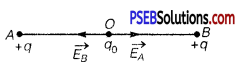
During the Industrial Revolution: The population of dark coloured moth increased. While, that of light coloured moth decreased. This change was due to the burning of coal in factories.
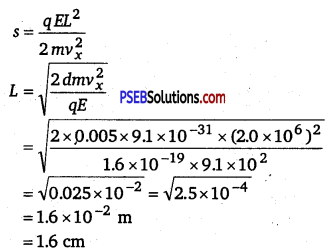
The smoke from the factories killed the lichens and the tree trunks turned black due to the deposition of soot. The black moths had an advantage against soot, therefore, escaped predation of birds while on the other hand, white moths were identified in sharp contrast and become easy prey.

With the Progression of Industrial Revolution: The coal was replaced by oil and electricity.
This resulted in reduction of soot deposits on the tree trunk. Gradually, the population of black moth decreased and that of light moth began to increase.

PSEB 12th Class Biology Solutions Chapter 7 Evolution

Punjab State Board PSEB 12th Class Biology Book Solutions Chapter 7 Evolution Textbook Exercise Questions and Answers.

PSEB Solutions for Class 12 Biology Chapter 7 Evolution

PSEB 12th Class Biology Guide Evolution Textbook Questions and Answers

Question 1.
Explain antibiotic resistance observed in bacteria in light of Darwinian selection theory.
Answer:
Darwinian selection theory states that individuals with favourable variations are better adapted than individuals with less favourable variation. It means that nature selects the individuals with useful variation as these individuals are better evolved to survive in the existing environment. An example of such selection is antibiotic resistance in bacteria. When bacterial population was grown on an agar plate containing antibiotic penicillin, the colonies that were sensitive to penicillin died, whereas one or few bacterial colonies that were resistant to penicillin survived.

This is because these bacteria had undergone chance mutation, which resulted in the evolution of a gene that made them resistant to penicillin drug. Hence, the resistant bacteria multiplied quickly as compared to non-resistant (sensitive) bacteria, thereby increasing their number. Hence, the advantage of an individual over other helps in the struggle for existence.

Question 2.
Find out from newspapers and popular science articles any new fossil discoveries or controversies about evolution.
Answer:
Fossils of dinosaurs have revealed the evolution of reptiles in Jurassic period. As a result of this, evolution of other animals such as birds and mammals has also been discovered. However, two unusual fossils recently unearthed in China have ignited a controversy over the evolution of birds. Confuciusomis is one such genus of primitive birds that were crow sized and lived during the Creataceous period in China.

PSEB 12th Class Biology Solutions Chapter 7 Evolution

Question 3.
Attempt giving a clear definition of the term species.
Answer:
Species can be defined as a group of organisms, which have the capability to interbreed in order to produce fertile offspring.

Question 4.
Try to trace the various components of human evolution (hint: brain size and function, skeletal structure, dietary preference, etc.)
Answer:
The various components of human evolution are as follows:
(i) Brain capacity
(ii) Posture
(iii) Food/dietary preference and other important features
PSEB 12th Class Biology Solutions Chapter 7 Evolution 1
PSEB 12th Class Biology Solutions Chapter 7 Evolution 2

PSEB 12th Class Biology Solutions Chapter 7 Evolution

Question 5.
Find out through internet and popular science articles whether animals other than man has self-consciousness.
Answer:
There are many animals other than humans, which have self-consciousness. An example of an animal being self-conscious is dolphins. They are highly intelligent. They have a sense of self and they also recognise others among themselves and others. They communicate with each other by whistles, tail-slapping, and other body movements.

Not only dolphins, there are certain other animals such as crow, parrot, chimpanzee, gorilla, orangutan, etc., which exhibit self-consciousness.

Question 6.
List 10 modern-day animals and using the internet resources link it to a corresponding ancient fossil. Name both.
Answer:
The modern-day animals and their ancient fossils are listed in the following table:

Animal Fossil
1. Man Ramapithecus
2. Horse Eohippus
3. Dog Leptocyon
4. amel Protylopus
5. Elephant Moerithers
6. Whale Protocetus
7. Fish Arandaspis
8. Tetrapods Icthyostega
9. Bat Archaeonycteris
10. Giraffe Palaeotragus

Question 7.
Practise drawing various animals and plants.
Answer:
Ask your teachers and parents to suggest the names of plants and animals and practise drawing them. You can also take help from your book to find the names of plants and animals.

PSEB 12th Class Biology Solutions Chapter 7 Evolution

Question 8.
Describe one example of adaptive radiation.
Answer:
Adaptive radiation is an evolutionary process that produces new species from a single, rapidly diversifying lineage. This process occurs due to natural selection. An example of adaptive radiation is Darwin finches, found in Galapagos Island. A large variety of finches is present in Galapagos Island that arose from a single species, which reached this land accidentally. As a result, many new species have evolved, diverged, and adapted to occupy new habitats. These finches have developed different eating habits and different types of beaks to suit their feeding habits. The insectivorous, blood sucking, and other species of finches with varied dietary habits have evolved from a single seed eating finch ancestor.

Question 9.
Can we call human evolution as adaptive radiation?
Answer:
No, human evolution cannot be called adaptive radiation. This is because adaptive radiation is an evolutionary process that produces new species from a single, rapidly diversifying lineage, which is not the case with human evolution. Human evolution is a gradual process that took place slowly in time. It represents an example of anagenesis.

PSEB 12th Class Biology Solutions Chapter 7 Evolution

Question 10.
Using various resources such as your school Library or the internet and discussions with your teacher, trace the evolutionary stages of any one animal, say horse.
Answer:
The evolution of horse started with Eohippus during Eocene period. It involved the following evolutionary stages:

  1. Gradual increase in body size
  2. Elongation of head and neck region
  3. Increase in the length of limbs and feet
  4. Gradual reduction of lateral digits
  5. Enlargement of third functional toe
  6. Strengthening of the back
  7. Development of brain and sensory organs
  8. Increase in the complexity of teeth for feeding on grass

The evolution of horse is represented as follows:
PSEB 12th Class Biology Solutions Chapter 7 Evolution 3
Eohippus: It had a short head and neck. It had four functional toes and a splint of 1 and 5 on each hind limb and a splint of 1 and 3 in each forelimb. The molars were short crowned that were adapted for grinding the plant diet.

Mesohippus: It was slightly taller than Eohippus. It had three toes in each foot.

Merychippus: It had the size of approximately 100 cm. Although it still had three toes in each foot, but it could run on one toe. The side toe did not touch the ground. The molars were adapted for chewing the grass.

Pliohippus: It resembled the modern horse and was around 108 cm tall. It had a single functional toe with splint of 2nd and 4th in each limb.

Equus: Pliohippus gave rise to Equus or the modem horse with one toe in each foot. They have incisors for cutting grass and molars for grinding food.

PSEB 12th Class Biology Important Questions Chapter 6 Molecular Basis of Inheritance

Punjab State Board PSEB 12th Class Biology Important Questions Chapter 6 Molecular Basis of Inheritance Important Questions and Answers.

PSEB 12th Class Biology Important Questions Chapter 6 Molecular Basis of Inheritance

Question 1.
Name the specific components and the linkage between them that form deoxyadenosine.
Answer:
Nitrogenous base (Adenine) and pentose sugar and N-glycosidic linkage.

Question 2.
Why is RNA more reactive in comparison to DNA?
Answer:
RNA is more reactive because:

  • It is single stranded.
  • Every nucleotide has an additional OH group present at position 2 in the ribose.
  • Mutates faster as compared to DNA.

Question 3.
In an experiment, DNA is treated with a compound which tends to place itself amongst the stacks of nitrogenous base pairs. As a result of this, the distance between two consecutive base increases from 0.34 nm to 0.44 nm. Calculate the length of DNA double helix, which has 2 × 10⁹ bp in saturating the presence of this compound. [NCERT Exemplar]
Answer:
The new length of DNA helix would be
= 2 × 10-9 × 0.44 × 10-9bp.

PSEB 12th Class Biology Important Questions Chapter 6 Molecular Basis of Inheritance

Question 4.
In a nucleus, the number of RNA nucleoside triphosphates is 10 times more than the number of DNA nucleoside triphosphates,
still only DNA nucleotides are added during the DNA replication, and not the RNA nucleotides. Why?
[NCERT Exemplar]
Answer:
DNA polymerase is highly specific to recognise only deoxyribonucleoside r triphosphates. Therefore, it cannot hold RNA nucleotides.

Question 5.
Name the enzyme involved in the continuous replication of DNA strand. Mention the polarity of the template strand.
Answer:
DNA polymerase is involved in continuous replication of DNA strand. The polarity of template strand is 3′ → 5′.

Question 6.
What is a cistron?
Answer:
Cistron is a segment of DNA coding for a polypeptide chain.

Question 7.
Name the transcriptionally active region of chromatin in a nucleus.
Answer:
Euchromatin or Exon.

Question 8.
Write the function of RNA polymerase n.
Answer:
RNA polymerase II transcribes precursor of mRNA or hnRNA.

PSEB 12th Class Biology Important Questions Chapter 6 Molecular Basis of Inheritance

Question 9.
Mention the two additional processings which /mRNA needs to
undergo after splicing so as to become functional.
Answer:
Capping and tailing.

Question 10.
Give an example of a codon having dual function.
Answer:
AUG has dual function. It acts as initiation codon and also codes for methionine.

Question 11.
Sometimes cattle or even human beings give birth to their young ones that have extremely different sets of organs like limbs/position of eye(s), etc. Why? [NCERT Exemplar]
Answer:
This is due to a disturbance in coordinated regulation of expression of sets of genes associated with organ development or due to mutations.

Question 12.
How does a degenerate code differ from an unambiguous one?
Answer:
Degenerate code means that one amino acid can be coded by more than one codon. Unambiguous code means that one codon codes for only one amino acid.

Question 13.
What is aminoacylation? State its significance.
Answer:
Aminoacylation of t-RNA involves activation of amino acids by ATP which gets linked to OH’ present at the 3′ end of specific t-RNA. The process is also called charging of t-RNA.

PSEB 12th Class Biology Important Questions Chapter 6 Molecular Basis of Inheritance

Question 14.
Mention how c|oes DNA polymorphism arise in a population?
Answer:
DNA polymorphism in a population arise due to presence of inheritable mutations at high frequency.

Question 15.
How is repetitive/satellite DNA separated from bulk genomic DNA for various genetic experiments?
Answer:
By using density gradient centrifugation, where satellite DNA forms small peaks.

Short answer type questions

Question 1.
Recall the experiments done by Frederick Griffith, Avery, MacLeod and McCarty, where DNA was speculated to be the genetic material. If RNA, instead of DNA was the genetic material, would the heat killed strain of Pneumococcus have transformed the 12-strain into virulent strain? Explain.
[NCERT Exemplar]
Answer:
RNA is more labile and prone to degradation, owing to the presence of 2’OH group in its ribose. Hence, heat-killed S-strain may not have retained its ability to transform the R-strain into virulent form if RNA was its genetic material.

Question 2.
Name a few enzymes involved in DNA replication other than DNA polymerase and ligase. Name the key functions for each of them. [NCERT Exemplar]
Answer:
The enzymes involved in DNA replication other than DNA polymerase and ligase are listed below with their functions:\

  • Helicase – Opens the helix
  • Topoisomerases – Removes the tension caused due to unwinding
  • DNA ligase – Joins the cut DNA strands

PSEB 12th Class Biology Important Questions Chapter 6 Molecular Basis of Inheritance

Question 3.
Following are the features of genetic codes. What does each one indicate?
Stop codon; Unambiguous codon; Degenerate codon; Universal codon.
Answer:

  • Stop codon is a codon, which does not code for any amino acid and here the polypeptide chain is released e.g., 3 codons – UAA, UAG, UGA.
  • Unambiguous codon : One codon codes for only one specific amino acid.
  • Degenerate codon : Here, one amino acid is coded by more than one codon e.g., amino acid glycine is coded by four codons (GGU, GGC, GGA, GGG).
  • Universal codon means a codon specifies the same amino acid in all
    the organisms even in a virus. ,

Question 4.
A single base mutation in a gene may not ‘always’ result in loss or gain of function. Do you think the statement is correct? Defend your answer. [NCERT Exemplar]
Answer:
The statement is correct because of degeneracy of codons, mutations at third base of codon, usually does not result into any change in phenotype. This is called silent mutations but at other times it can lead to loss or formation of malformed protein changing the phenotype.

Question 5.
(a) Name the scientist who called tRNA an adapter molecule.
(b) Draw a clover leaf structure of fRNA showing the following:
(i) Tyrosine attached to its amino acid site.
(ii) Anticodon for this amino acid in its correct site (codon for tyrosine is UCA).
(c) What does the actual structure of JRNA look like?
Answer:
(a) Francis Crick
(b) PSEB 12th Class Biology Important Questions Chapter 6 Molecular Basis of Inheritance 1
(c) The actual structure of t-RNA looks like inverted L.

Question 6.
A low level of expression of lac operon occurs at all the time. Can you explain the logic behind this phenomena. [NCERT Exemplar]
Answer:
In the complete absence of expression of lac operon, permease will not be synthesised which is essential for transport of lactose from medium into the cells. And if lactose cannot be transported into the cell, then it cannot act as inducer. Hence, cannot relieve the lac operon from its repressed state. Therefore, lac operon is always expressed.

PSEB 12th Class Biology Important Questions Chapter 6 Molecular Basis of Inheritance

Question 7.
Would it be appropriate to use DNA probes such as VNTR in DNA fingerprinting of a bacteriophage? [NCERT Exemplar]
Answer:
Bacteriophage does not have repetitive sequences such as VNTRs in its genome, as its genome is very small (i.e., 5386bp) and have all the coding sequence. Therefore, DNA fingerprinting is not done for phages.

Long answer type questions

Question 1.
Describe Meselson and Stahl’s experiment that was carried in 1958 on E.coil. Write the conclusion they arrived at after the experiment.
Matthew Meselson and Franklin Stahl (1958) grew E. coli in a medium containing 15NH4Cl (15N is the heavy isotope of nitrogen) as
the only nitrogen source for many generations. The result was that 15N was incorporated into newly synthesised DNA (as well as other nitrogen containing compounds). This heavy DNA molecule could be distinguished from the normal DNA by centrifugation in a cesium chloride (CsCl) density gradient.

They transferred the cells into a medium with normal 14NH4Cl and took samples at various definite time intervals as the cells multiplied, and extracted the DNA that remained as double-stranded helices. The various samples were separated independently as CsCl gradients to measure the densities of DNA.

Thus, the DNA that was extracted from the culture one generation after the transfer from 15N to 14N medium (that is after 20 minutes; E.coli divides in 20 minutes) had a hybrid or intermediate density. DNA extracted from the culture after another generation (that is after 40 minutes, II generation) was composed of equal amounts of hybrid DNA and of light DNA.

Matthew Meselson and Franklin Stahl’s experiment demonstrated that DNA replication is semi-conservative.
PSEB 12th Class Biology Important Questions Chapter 6 Molecular Basis of Inheritance 2
Generation I Generation II

PSEB 12th Class Biology Important Questions Chapter 6 Molecular Basis of Inheritance

Question 2.
(a) Describe the series of experiments of F. Griffith. Comment on the significance of the results obtained.
(b) State the contribution of MacLeod, McCarty and Avery.
Answer:
(a) Frederick Griffith (1928), a British doctor, was studying the pathogenicity of different strains of Streptococcus pneumoniae. It has two strains- (i) virulent cause pneumonia, has S-type of bacteria, covered by sheath of mucilage, (ii) non-virulent do not produce the disease, has R-type of bacteria, devoid of sheath of mucilage.

Griffith found that on injecting live R-type bacteria did not produce the disease while live S-type caused pneumonia and the death in mice. However, when heat-killed S-type injected, they did not produce the disease. Finally, Griffith injected a combination of live-R-type and heat-killed S-type bacteria into mice. Some mice survived while others developed the disease of pneumonia and died. Autopsy of dead mice showed that they possessed both the type of bacteria (virulent-S-type and non-virulent-R-type) in living form through the mice that had been injected with dead virulent (S-type) and living non-virulent (R-type) bacteria.

From the above experiment, Frederick Griffith concluded that the occurrence of living S-type virulent bacteria is possible only by their formation from R-type non-virulent bacteria which pick-up the trait of virulence from dead bacteria. This phenomenon is called Griffith effect or transformation. Griffith proposed that the transforming principle is a chemical substance released by heat-killed S-type, which changed the S-type into S-bacteria. It was a permanent change as the new S-type formed only S-type progeny.
PSEB 12th Class Biology Important Questions Chapter 6 Molecular Basis of Inheritance 3
(b) Avery, MacLeod, McCarty discovered that DNA from the heat-killed S-strain caused the living R-strain bacteria to become transformed into living S-type. They found proteases and RNAases did not affect transformation while DNAases inhibit transformation. They concluded that DNA is the hereditary material.