Punjab State Board PSEB 9th Class Physical Education Book Solutions Chapter 1 ਸਰੀਰਕ ਸਿੱਖਿਆ-ਇਸ ਦੇ ਗੁਣ ਅਤੇ ਮੰਤਵ Textbook Exercise Questions, and Answers.
PSEB Solutions for Class 9 Physical Education Chapter 1 ਸਰੀਰਕ ਸਿੱਖਿਆ-ਇਸ ਦੇ ਗੁਣ ਅਤੇ ਮੰਤਵ
Physical Education Guide for Class 9 PSEB ਸਰੀਰਕ ਸਿੱਖਿਆ-ਇਸ ਦੇ ਗੁਣ ਅਤੇ ਮੰਤਵ Textbook Questions and Answers
ਪਾਠ ਦੀ ਸੰਖੇਪ ਰੂਪ-ਰੇਖਾ (Brief Outlines of the Chapter)
- ਸਰੀਰਕ ਸਿੱਖਿਆ-ਸਰੀਰਕ ਹਰਕਤਾਂ ਰਾਹੀਂ ਜੋ ਤਜਰਬੇ ਹਾਸਿਲ ਕਰਦੇ ਹਾਂ, ਉਸ ਨੂੰ ਸਰੀਰਕ ਸਿੱਖਿਆ ਕਹਿੰਦੇ ਹਨ ।
- ਸਰੀਰਕ ਸਿੱਖਿਆ ਦਾ ਮੰਤਵ-ਮਨੁੱਖ ਦਾ ਸਰਵਪੱਖੀ ਵਿਕਾਸ ਕਰਨਾ ਹੀ ਸਰੀਰਕ ਸਿੱਖਿਆ ਦਾ ਮੰਤਵ ਹੈ ।
- ਸਰੀਰਕ ਸਿੱਖਿਆ ਦਾ ਉਦੇਸ਼–ਸਰੀਰਕ ਵਾਧਾ ਅਤੇ ਵਿਕਾਸ । ਸਰੀਰਕ, ਮਾਨਸਿਕ ਅਤੇ ਨੈਤਿਕ ਵਿਕਾਸ ਹੀ ਸਰੀਰਕ ਸਿੱਖਿਆ ਦਾ ਇਕ ਮਾਤਰ ਉਦੇਸ਼ ਹੈ ।
- ਖੇਡ ਮੈਦਾਨ ਵਿਚ ਸਰੀਰਕ ਸਿੱਖਿਆ ਦਾ ਉਦੇਸ਼-ਸਹਿਣਸ਼ੀਲਤਾ, ਅਨੁਸ਼ਾਸਨ ਅਤੇ | ਚਰਿੱਤਰ ਵਿਕਾਸ ਖੇਡ ਦੇ ਮੈਦਾਨ ਵਿਚ ਹੀ ਸਾਨੂੰ ਹਾਸਿਲ ਹੁੰਦਾ ਹੈ ।
- ਵਿਹਲੇ ਸਮੇਂ ਦੀ ਯੋਗ ਵਰਤੋਂ-ਖੇਡਾਂ ਵਿਚ ਭਾਗ ਲੈਣ ਨਾਲ ਬੱਚੇ ਵਿਹਲੇ ਸਮੇਂ ਦੀ ਯੋਗ ਵਰਤੋਂ ਕਰਦੇ ਹਨ, ਜਿਸ ਨਾਲ ਉਹ ਬੁਰੀਆਂ ਆਦਤਾਂ ਦਾ ਸ਼ਿਕਾਰ ਹੋਣ ਤੋਂ ਬਚ ਜਾਂਦੇ ਹਨ ।
- ਖੇਡਾਂ ਨਾਲ ਨੇਤਾ ਦੇ ਗੁਣ-ਇਕ ਨੇਤਾ ਵਿਚ ਚੰਗੇ ਚਰਿੱਤਰਿਕ ਗੁਣਾਂ ਦਾ ਹੋਣਾ ਜ਼ਰੂਰੀ ਹੈ ਅਤੇ ਇਹ ਖੇਡਾਂ ਵਿਅਕਤੀ ਵਿਚ ਅਗਵਾਈ ਦੇ ਚਰਿੱਤਰਿਕ ਗੁਣ ਪੈਦਾ ਕਰਦੀਆਂ ਹਨ ।
ਖਿਆ ਸ਼ੈਲੀ ‘ਤੇ ਆਧਾਰਿਤ ਮਹੱਤਵਪੂਰਨ ਪ੍ਰਸ਼ਨ (Examination Style Important Questions)
ਬਹੁਤ ਸੰਖੇਪ ਉੱਤਰਾਂ ਵਾਲੇ ਪ੍ਰਸ਼ਨ (Questions with Very Brief Answers)
ਪ੍ਰਸ਼ਨ 1.
ਸਰੀਰਕ ਸਿੱਖਿਆ ਦਾ ਟੀਚਾ ਕੀ ਹੈ ?
ਉੱਤਰ-
ਸਰੀਰਕ ਸਿੱਖਿਆ ਦਾ ਟੀਚਾ ਮਨੁੱਖ ਲਈ ਇਹੋ ਜਿਹੇ ਵਾਤਾਵਰਨ ਪ੍ਰਦਾਨ ਕਰਨਾ ਹੈ ਜੋ ਉਸ ਦੇ ਸਰੀਰ, ਦਿਮਾਗ਼ ਅਤੇ ਸਮਾਜ ਲਈ ਲਾਹੇਵੰਦ ਹੋਵੇ ।
ਪ੍ਰਸ਼ਨ 2.
ਸਰੀਰਕ ਸਿੱਖਿਆ ਕੀ ਹੈ ?
ਉੱਤਰ-
ਸਰੀਰਕ ਸਿੱਖਿਆ ਬੱਚੇ ਦੇ ਬਹੁਮੁਖੀ ਵਿਅਕਤੀਤਵ ਦੇ ਵਿਕਾਸ ਦੇ ਲਈ ਸਰੀਰਕ ਕਿਰਿਆਵਾਂ ਦੁਆਰਾ, ਸਰੀਰ, ਮਨ ਅਤੇ ਆਤਮਾ ਨੂੰ ਪੂਰਨਤਾ ਵਲ ਲੈ ਜਾਂਦੀ ਹੈ ।

ਪ੍ਰਸ਼ਨ 3.
ਸਰੀਰਕ ਸਿੱਖਿਆ ਦੇ ਕੋਈ ਦੋ ਉਦੇਸ਼ ਲਿਖੋ ।
ਉੱਤਰ-
- ਸਰੀਰਕ ਵਿਕਾਸ
- ਮਾਨਸਿਕ ਵਿਕਾਸ ।
ਪ੍ਰਸ਼ਨ 4.
ਵਿਅਕਤੀ ਅਤੇ ਸਮਾਜ ਦੇ ਵਿਕਾਸ ਲਈ ਸਰੀਰਕ ਸਿੱਖਿਆ ਦੇ ਕੋਈ ਦੋ ਯੋਗਦਾਨ ਦੱਸੋ ।
ਉੱਤਰ-
- ਖ਼ਾਲੀ ਸਮੇਂ ਦਾ ਠੀਕ ਪ੍ਰਯੋਗ
- ਜੀਵਨ ਦੇ ਟੀਚੇ ਨੂੰ ਪ੍ਰਾਪਤ ਕਰਨ ਵਿਚ ਸਹਾਇਕ
- ਸਮਾਜਿਕ ਭਾਵਨਾ |
ਪ੍ਰਸ਼ਨ 5.
ਖੇਡ ਦੇ ਮੈਦਾਨ ਵਿਚ ਤੁਸੀਂ ਸਰੀਰਕ ਸਿੱਖਿਆ ਦੇ ਕੋਈ ਦੋ ਉਦੇਸ਼ ਹਾਸਿਲ ਕਰਦੇ ਹੋ ਲਿਖੋ ।
ਉੱਤਰ-
- ਸਹਿਣਸ਼ੀਲਤਾ
- ਅਨੁਸ਼ਾਸਨ
- ਚਰਿੱਤਰ ਵਿਕਾਸ |
ਪ੍ਰਸ਼ਨ 6.
ਖੇਡਾਂ ਆਦਮੀ ਵਿਚ ਕਿਹੜੇ ਗੁਣ ਪੈਦਾ ਕਰਦੀਆਂ ਹਨ ?
ਉੱਤਰ-
ਅਗਵਾਈ ਦੇ ਗੁਣ ।
ਪ੍ਰਸ਼ਨ 7.
ਸਰੀਰਕ ਸਭਿਅਤਾ ਕੀ ਹੈ ?
ਉੱਤਰ-
ਉੱਨਵੀਂ ਸਦੀ ਦੇ ਅੰਤ ਤਕ ਸਰੀਰਕ ਸਿੱਖਿਆ ਲਈ ਸਰੀਰਕ ਸਭਿਅਤਾ ਸ਼ਬਦ ‘ ਇਸਤੇਮਾਲ ਕੀਤਾ ਜਾਂਦਾ ਸੀ । ਇਸ ਸਰੀਰਕ ਸਭਿਅਤਾ ਨੇ ਮਨੁੱਖ ਦੀਆਂ ਸਾਰੀਆ ਸਭਿਅਤਾਵਾਂ ਨਾਲ ਉਚਾਈਆਂ ਦੀਆਂ ਸਿਖਰਾਂ ਨੂੰ ਛੋਹਿਆ । ਇਸ ਵਿਚ ਮਨੁੱਖ ਨੂੰ ਸਰੀਰਕ ਕਸਰਤ ਦੇ ਨਾਲ-ਨਾਲ ਰਾਜਸੀ ਮਾਮਲੇ, ਵਿਗਿਆਨ ਦੀ ਤਕਨੀਕ ਦੀ ਵੀ ਸਿਖਲਾਈ ਦਿੱਤੀ ਜਾਂਦੀ ਸੀ ।
ਸੰਖੇਪ ਉੱਤਰਾਂ ਵਾਲੇ ਪ੍ਰਸ਼ਨ (Questions with Brief Answers)
ਪ੍ਰਸ਼ਨ 1.
ਸਰੀਰਕ ਸਿੱਖਿਆ ਦਾ ਕੀ ਮੰਤਵ ਹੈ ? (What is Physical Education ? Mention its Aim.)
ਉੱਤਰ-
ਸਰੀਰਕ ਸਿੱਖਿਆ ਦਾ ਮੰਤਵ (Aim of Physical Education)-ਸਰੀਰਕ ਸਿੱਖਿਆ ਸਾਧਾਰਨ ਸਿੱਖਿਆ ਦੀ ਤਰ੍ਹਾਂ ਉੱਚ ਮੰਜ਼ਿਲ ਤੇ ਪੁੱਜਣ ਦੇ ਲਈ ਦਿਸ਼ਾ ਪ੍ਰਦਾਨ ਕਰਦੀ ਹੈ । ਪ੍ਰਸਿੱਧ ਸਰੀਰਕ ਸਿੱਖਿਆ ਸ਼ਾਸਤਰੀ ਜੇ. ਐਫ. ਵਿਲੀਅਮਜ਼ (J.F, Williams) ਦਾ ਕਹਿਣਾ ਹੈ ਕਿ ਜੇ ਅਸੀਂ ਸਰੀਰਕ ਸਿੱਖਿਆ ਦੀ ਮੰਜ਼ਿਲ ਪ੍ਰਾਪਤ ਕਰਨੀ ਹੈ ਤਾਂ ਇਹ ਸਾਡਾ ਉਦੇਸ਼ ਹੋਣਾ ਚਾਹੀਦਾ ਹੈ | ਸਰੀਰਕ ਸਿੱਖਿਆ ਦਾ ਉਦੇਸ਼ ਇਕ ਕੁਸ਼ਲ ਅਤੇ ਯੋਗ ਅਗਵਾਈ ਦੇਣਾ ਅਤੇ ਅਜਿਹੀਆਂ ਸਹੂਲਤਾਂ ਪ੍ਰਦਾਨ ਕਰਨਾ ਹੈ, ਜੋ ਕਿਸੇ ਇਕ ਵਿਅਕਤੀ ਜਾਂ ਸਮੁਦਾਇ ਨੂੰ ਕਾਰਜ ਕਰਨ ਦਾ ਮੌਕਾ ਦੇਣ ਅਤੇ ਇਹ ਸਦ ਕਿਰਿਆਵਾਂ ਸਰੀਰਕ ਰੂਪ ਨਾਲ ਸੰਪੂਰਨ, ਮਾਨਸਿਕ ਰੂਪ ਨਾਲ ਉਤੇਜਕ ਅਤੇ ਸੰਤੋਖਜਨਕ ਤੇ ਸਮਾਜਿਕ ਰੂਪ ਨਾਲ ਨਿਪੁੰਨ ਹੋਣ ।
ਇਸ ਦੇ ਅਨੁਸਾਰ ਵਿਅਕਤੀ ਦੇ ਲਈ ਕੇਵਲ ਉਹਨਾਂ ਹੀ ਕਿਰਿਆਵਾਂ ਦੀ ਚੋਣ ਕਰਨੀ ਚਾਹੀਦੀ ਹੈ, ਜੋ ਸਰੀਰਕ ਰੂਪ ਨਾਲ ਲਾਭਦਾਇਕ ਹੋਣ । | ਹਰੇਕ ਵਿਅਕਤੀ ਕੇਵਲ ਉਹ ਕਿਰਿਆਵਾਂ ਕਹੇ ਜੋ ਸਰੀਰ ਨੂੰ ਤੇਜ਼ ਕਰਨ ਵਾਲੀਆਂ ਹੋਣ ਅਤੇ ਉਸ ਦੀ ਚੇਤਨਾ ਸ਼ਕਤੀ ਵਧਾਉਣ ਵਾਲੀਆਂ ਹੋਣ | ਖੇਡਾਂ ਵਿਚ ਕੁਝ ਸਮੱਸਿਆਵਾਂ ਅਤੇ ਰੋਕਾਂ ਇਸ ਤਰ੍ਹਾਂ ਲਾਈਆਂ ਜਾਂਦੀਆਂ ਹਨ ਕਿ ਵਿਅਕਤੀ ਦਾ ਦਿਮਾਗ ਤਾਜ਼ਾ ਰਹੇ ਅਤੇ ਉਸ ਨੂੰ ਮਾਨਸਿਕ ਤਸੱਲੀ ਮਿਲੇ । ਇਹਨਾਂ ਕਿਰਿਆਵਾਂ ਨੂੰ ਸਮਾਜ ਦਾ ਸਮਰਥਨ ਵੀ ਪ੍ਰਾਪਤ ਹੋਣਾ ਚਾਹੀਦਾ ਹੈ । ਇਸ ਦੇ ਇਲਾਵਾ ਸਮਾਜ ਦੇ ਹੋਰ ਮੈਂਬਰ ਵੀ ਇਹਨਾਂ ਨੂੰ ਆਦਰ ਦੀ ਦ੍ਰਿਸ਼ਟੀ ਨਾਲ ਵੇਖਣ । ਉਹ ਇਹਨਾਂ ਤੋਂ ਪ੍ਰਾਪਤ ਹੋਣ ਵਾਲੇ ਲਾਭਾਂ ਦੀ ਪ੍ਰਸੰਸਾ ਕਰਨ ਅਤੇ ਉਹਨਾਂ ਨੂੰ ਖ਼ੁਦ ਅਪਨਾਉਣ ਦਾ ਯਤਨ ਕਰਨ । ਸੰਖੇਪ ਵਿਚ ਸਮੁੱਚੇ ਤੌਰ ਤੇ ਸਰੀਰਕ ਸਿੱਖਿਆ ਦਾ ਨਿਸ਼ਾਨਾ ਵਿਅਕਤੀ ਦੇ ਲਈ ਅਜਿਹਾ ਵਾਤਾਵਰਨ ਪ੍ਰਦਾਨ ਕਰਨਾ ਹੈ ਜੋ ਉਸ ਦੇ ਸਰੀਰਕ, ਮਾਨਸਿਕ ਅਤੇ ਸਮਾਜ ਦੇ ਲਈ ਉਪਯੋਗੀ ਹੋਵੇ । ਇਸ ਤਰ੍ਹਾਂ ਵਿਅਕਤੀ ਦਾ ਸਰਵ-ਪੱਖੀ ਵਿਕਾਸ (All-round Development) ਹੀ ਸਰੀਰਕ ਸਿੱਖਿਆ ਦਾ ਇਕ ਮਾਤਰ ਨਿਸ਼ਾਨਾ ਹੈ ।
ਪ੍ਰਸ਼ਨ 2.
ਵਿਹਲੇ ਸਮੇਂ ਦੀ ਯੋਗ ਵਰਤੋਂ ਕਿਸ ਤਰ੍ਹਾਂ ਕੀਤੀ ਜਾ ਸਕਦੀ ਹੈ ? ਸੰਖੇਪ ਕਰ ਕੇ ਲਿਖੋ । (How you would utilize the Leisure time properly ? Discuss briefly.)
ਉੱਤਰ-
ਕਿਸੇ ਨੇ ਠੀਕ ਹੀ ਕਿਹਾ ਹੈ ਕਿ ਵਿਹਲਾ ਮਨ ਸ਼ੈਤਾਨ ਦਾ ਘਰ ਹੁੰਦਾ ਹੈ ( An idle brain is a devil’s workshop) ਇਹ ਅਕਸਰ ਵਧਿਆ ਗਿਆ ਹੈ ਕਿ ਬੇਕਾਰ ਆਦਮੀ ਨੂੰ ਸ਼ਹਾਦਤਾਂ ਹੀ ਸੁੱਝਦੀਆਂ ਹਨ । ਕਈ ਵਾਰ ਤਾਂ ਉਹ ਅਜਿਹੇ ਗ਼ਲਤ ਕੰਮ ਕਰਨ ਲਗਦਾ ਹੈ, ਜਿਨ੍ਹਾਂ ਨੂੰ ਸਮਜਿਕ ਅਤੇ ਨੈਤਿਕ ਦ੍ਰਿਸ਼ਟੀ ਤੋਂ ਉੱਚਿਤ ਨਹੀਂ ਠਹਿਰਾਇਆ ਜਾ ਸਕਦਾ । ਇਸ ਦਾ ਕਾਰਨ ਇਹ ਹੈ ਕਿ ਉਸ ਦੇ ਕੋਲ ਫਾਲਤੂ ਸਮਾਂ ਤਾਂ ਹੈ ਪਰ ਉਸ ਨੂੰ ਬਤੀਤ ਕਰਨ ਦਾ ਢੰਗ ਨਹੀਂ ਆਉਂਦਾ ! ਫਾਲਤੂ ਸਮੇਂ ਦਾ ਉੱਚਿਤ ਪ੍ਰਯੋਗ ਨਾ ਹੋਣ ਦੇ ਕਾਰਨ ਉਸ ਦਾ ਦਿਮਾਗ ਕੁਰੀਤੀਆਂ ਵਿਚ ਫਸ ਜਾਂਦਾ ਹੈ ਅਤੇ ਕਈ ਵਾਰ ਅਨੇਕਾਂ ਉਲਝਣਾਂ ਵਿਚ ਉਲਝ ਕੇ ਰਹਿ ਜਾਂਦਾ ਹੈ ਜਿਨ੍ਹਾਂ ਵਿਚੋਂ ਬਾਹਰ ਨਿਕਲਣਾ ਉਸ ਦੇ ਵੱਸ ਤੋਂ ਬਾਹਰ ਹੁੰਦਾ ਹੈ ।
ਜੇ ਵਿਅਕਤੀ ਇਸ ਫਾਲਤੂ ਸਮੇਂ ਦੀ ਠੀਕ ਵਰਤੋਂ ਕਰਨਾ ਜਾਣਦਾ ਹੋਵੇ ਤਾਂ ਉਹ ਜੀਵਨ ਵਿਚ ਉੱਚ ਸਿਖਰਾਂ ਨੂੰ ਛੂਹ ਸਕਦਾ ਹੈ : ਸੰਸਾਰ ਵਿਚ ਅਨੇਕਾਂ ਖੋਜਾਂ ਉਹਨਾਂ ਵਿਅਕਤੀਆਂ ਨੇ ਕੀਤੀਆਂ ਜੋ ਫਾਲਤੂ ਸਮੇਂ ਨੂੰ ਕੁਸ਼ਲ ਢੰਗ ਨਾਲ ਬਤੀਤ ਕਰਨ ਦੀ ਕਲਾ ਤੋਂ ਜਾਣੂ ਸਨ । ਇਸ ਤਰ੍ਹਾਂ ਸੰਸਾਰ ਦੀਆਂ ਅਨੇਕ ਖੋਜਾਂ ਫਾਲਤੂ ਸਮੇਂ ਦੀਆਂ ਹੀ ਦੇਣਾਂ ਹਨ ! ਜੇ ਬੱਚਿਆਂ ਦੇ ਫਾਲਤੂ ਸਮੇਂ ਦੇ ਬਤੀਤ ਕਰਨ ਲਈ ਕੋਈ ਉੱਚਿਤ ਪ੍ਰਬੰਧ ਨਾ ਹੋਵੇ ਤਾਂ ਉਹ ਬੁਰੀਆਂ ਆਦਤਾਂ ਦਾ ਸ਼ਿਕਾਰ ਹੋ ਜਾਣਗੇ । ਇਸ ਤਰ੍ਹਾਂ ਸਮਾਜ ‘ਤੇ ਬੋਝ ਦੇ ਨਾਲ-ਨਾਲ ਇਸ ਦੇ ਲਈ ਕਲੰਕ ਵੀ ਬਣ ਜਾਣਗੇ । ਇਸ ਲਈ ਉਹਨਾਂ ਦੇ ਫਾਲਤੂ ਸਮੇਂ ਦੇ ਉੱਚਿਤ ਪ੍ਰਯੋਗ ਦੀ ਚੰਗੀ ਵਿਵਸਥਾ ਕਰਨੀ ਚਾਹੀਦੀ ਹੈ । ਸਕੂਲਾਂ, ਕਾਲਜਾਂ, ਪੰਚਾਇਤਾਂ ਜਾਂ ਨਰਪਾਲਿਕਾਵਾਂ ਜਾਂ ਸਰਕਾਰ ਨੂੰ ਚੰਗੇ ਖੇਡ ਦੇ ਮੈਦਾਨਾਂ ਅਤੇ ਖੇਡ ਦੇ ਸਾਮਾਨ ਦਾ ਪੂਰਾ ਪ੍ਰਬੰਧ ਕਰਨਾ ਚਾਹੀਦਾ ਹੈ ਤਾਂ ਕਿ ਬੱਚੇ ਖੇਡਾਂ ਵਿਚ ਭਾਗ ਲੈ ਕੇ ਆਪਣੇ ਖ਼ਾਲੀ ਸਮੇਂ ਦਾ ਉੱਚਿਤ ਪ੍ਰਯੋਗ ਕਰ ਸਕਣ ! ਇਸ ਤਰ੍ਹਾਂ ਅਸੀਂ ਵੇਖਦੇ ਹਾਂ ਕਿ ਫਾਲਤੂ ਸਮੇਂ ਦੇ ਪ੍ਰਭਾਵਸ਼ਾਲੀ ਉਪਯੋਗ ਦਾ ਸਰਵ-ਉੱਤਮ ਸਾਧਨ ਖੇਡਾਂ ਹਨ :
ਪ੍ਰਸ਼ਨ 3.
ਖੇਡਾਂ ਚੰਗੇ ਲੀਡਰ ਬਣਾਉਂਦੀਆਂ ਹਨ । ਕਿਵੇਂ ? (Game and Sports produced a good Leader. How ?)
ਉੱਤਰ-
ਖੇਡਾਂ ਵਿਅਕਤੀ ਵਿਚ ਚੰਗੀ ਅਗਵਾਈ ਦੇ ਗੁਣ ਪੈਦਾ ਕਰਦੀਆਂ ਹਨ । ਸਰੀਰਕ ਸਿੱਖਿਆ ਦਾ ਖੇਤਰ ਬਹੁਤ ਹੀ ਵਿਸ਼ਾਲ ਹੈ ! ਖੇਡਾਂ ਵਿਚ ਇਕ ਖਿਡਾਰੀ ਨੂੰ ਕਈ ਅਜਿਹੇ ਮੌਕੇ ਮਿਲਦੇ ਹਨ, ਜਦੋਂ ਸਾਨੂੰ ਟੀਮ ਦੇ ਕਪਤਾਨ, ਸੈਕਟਰੀ, ਰੈਫ਼ਰੀ ਜਾਂ ਅੰਪਾਇਰ ਦੀ ਭੂਮਿਕਾ ਨਿਭਾਉਣੀ ਪੈਂਦੀ ਹੈ । ਇਹਨਾਂ ਹਾਲਤਾਂ ਵਿਚ ਉਹ ਆਪਣੀ ਯੋਗਤਾ ਦੇ ਅਨੁਸਾਰ ਆਚਰਨ ਕਰਦਾ ਹੈ । ਇਕ ਕਪਤਾਨ ਦੇ ਰੂਪ ਵਿਚ ਉਹ ਆਪਣੀ ਟੀਮ ਦੇ ਖਿਡਾਰੀਆਂ ਨੂੰ ਸਮੇਂ-ਸਮੇਂ ‘ਤੇ ਨਿਰਦੇਸ਼ ਦੇ ਕੇ ਉਹਨਾਂ ਨੂੰ ਠੀਕ ਢੰਗ ਨਾਲ ਅਤੇ ਪੂਰਨ ਭਰੋਸੇ ਦੇ ਨਾਲ ਖੇਡਣ ਦੀ ਪ੍ਰੇਰਣਾ ਦਿੰਦਾ ਹੈ ।
ਇਕ ਰੈਫ਼ਰੀ ਜਾਂ ਅੰਪਾਇਰ ਦੇ ਰੂਪ ਵਿਚ ਉਹ ਨਿਰਪੱਖ ਰੁਪ ਨਾਲ ਉੱਚਿਤ ਫ਼ੈਸਲਾ ਦਿੰਦਾ ਹੈ । ਸੈਕਟਰੀ ਦੇ ਰੂਪ ਵਿਚ ਉਹ ਟੀਮ ਦਾ ਠੀਕ ਤਰ੍ਹਾਂ ਗਠਨ ਅਤੇ ਸੰਚਾਲਨ ਕਰਦਾ ਹੈ । ਇਸ ਤਰ੍ਹਾਂ ਉਹਨਾਂ ਵਿਚ ਇਕ ਸਫ਼ਲ ਅਤੇ ਚੰਗੇ ਨੇਤਾ ਦੇ ਗੁਣ ਪੈਦਾ ਹੋ ਜਾਂਦੇ ਹਨ । ਇਕ ਨੇਤਾ ਵਿਚ ਚੰਗੇ ਚਰਿੱਤਰਿਕ ਗੁਣਾਂ ਦਾ ਹੋਣਾ ਜ਼ਰੂਰੀ ਹੈ । ਉਸ ਵਿਚ ਆਗਿਆਪਾਲਣ, ਸਮੇਂ ਦੀ ਪਾਬੰਦੀ, ਸਭ ਨਾਲ ਸਮਾਨ ਵਿਵਹਾਰ, ਪੀਪ, ਹਮਦਰਦੀ, ਸਹਿਣਸ਼ੀਲਤਾ ਆਦਿ ਗੁਣ ਵਧੇਰੇ ਮਾਤਰਾ ਵਿਚ ਹੋਣੇ ਚਾਹੀਦੇ ਹਨ | ਇਹ ਸਭ ਗੁਣ ਉਹ ਖੇਡ ਦੇ ਮੈਦਾਨ ਵਿਚੋਂ ਗ੍ਰਹਿਣ ਕਰ ਸਕਦਾ ਹੈ । ਇਕ ਨੇਤਾ ਨੂੰ ਆਪਣੇ ਆਲੇ-ਦੁਆਲੇ ਦੇ ਲੋਕਾਂ ਦੇ ਨਾਲ ਸਦਭਾਵਨਾ ਨਾਲ ਰਹਿਣਾ ਚਾਹੀਦਾ ਹੈ । ਖੇਡਾਂ ਉਸ ਵਿਚ ਇਹ ਗੁਣ ਵਿਕਸਿਤ ਕਰਦੀਆਂ ਹਨ ।
ਜਦੋਂ ਇਕ ਖਿਡਾਰੀ ਹੋਰ ਥਾਂਵਾਂ ਦੇ ਖਿਡਾਰੀਆਂ ਦੇ ਨਾਲ ਮਿਲ-ਜੁਲ ਕੇ ਖੇਡਦਾ ਹੈ, ਉਹ ਉਹਨਾਂ ਦੇ ਸੁਭਾਅ ਅਤੇ ਸੱਭਿਅਤਾ ਤੋਂ ਚੰਗੀ ਤਰ੍ਹਾਂ ਜਾਣੂ ਹੋ ਜਾਂਦਾ ਹੈ । ਉਸ ਵਿਚ ਉਹਨਾਂ ਦੇ ਪ੍ਰਤੀ ਸਦਭਾਵਨਾ ਉਤਪੰਨ ਹੋ ਜਾਂਦੀ ਹੈ । ਇਹ ਸਦਭਾਵਨਾ ਹੀ ਇਕ ਨੇਤਾ ਦਾ । ਮਹੱਤਵਪੂਰਨ ਗੁਣ ਹੈ । ਇਕ ਨੇਤਾ ਚੁਸਤ ਅਤੇ ਫੁਰਤੀਲਾ ਹੋਣਾ ਚਾਹੀਦਾ ਹੈ । ਖੇਡਾਂ ਵਿਚ ਭਾਗ ਲੈਣ ਨਾਲ ਇਕ ਵਿਅਕਤੀ ਵਿਚ ਚੁਸਤੀ ਅਤੇ ਫੁਰਤੀ ਆਉਂਦੀ ਹੈ । ਇਸ ਤਰ੍ਹਾਂ ਖੇਡਾਂ ਚੰਗੇ ਨੇਤਾਵਾਂ ਦੇ ਨਿਰਮਾਣ ਵਿਚ ਵਿਸ਼ੇਸ਼ ਯੋਗਦਾਨ ਦਿੰਦੀਆਂ ਹਨ ।
ਵੱਡੇ ਉੱਤਰਾਂ ਵਾਲੇ ਪ੍ਰਸ਼ਨ (Questions with Long Answers)
ਪ੍ਰਸ਼ਨ 1.
ਸਰੀਰਕ ਸਿੱਖਿਆ ਦੇ ਮੁੱਖ ਉਦੇਸ਼ ਕਿਹੜੇ-ਕਿਹੜੇ ਹਨ ? (Describe the main objectives of Physical Education.)
ਉੱਤਰ-
ਸਰੀਰਕ ਸਿੱਖਿਆ ਦੇ ਉਦੇਸ਼ (Objectives of Physical Education)ਕਿਸੇ ਵੀ ਕੰਮ ਨੂੰ ਆਰੰਭ ਕਰਨ ਤੋਂ ਪਹਿਲਾਂ ਉਸ ਦੇ ਉਦੇਸ਼ ਸਿੱਖ ਲੈਣਾ ਜ਼ਰੂਰੀ ਹੈ । ਬਿਨਾਂ ਉਦੇਸ਼ ਦੇ ਕੀਤਾ ਗਿਆ ਕੰਮ ਲੱਸੀ ਨੂੰ ਰਿੜਕਣ ਦੇ ਸਮਾਨ ਹੈ । ਉਦੇਸ਼ ਨਿਸਚਿਤ ਕਰ ਲੈਣ ਨਾਲ ਸਾਡੇ ਯਤਨਾਂ ਨੂੰ ਉਤਸ਼ਾਹ ਮਿਲਦਾ ਹੈ ਅਤੇ ਉਸ ਕੰਮ ਨੂੰ ਕਰਨ ਲਈ ਲਾਈ ਗਈ ਸ਼ਕਤੀ ਫ਼ਜ਼ੂਲ ਨਹੀਂ ਜਾਂਦੀ । ਅੱਜ ਤਾਂ ਸਰੀਰਕ ਸਿੱਖਿਆ ਦੇ ਉਦੇਸ਼ਾਂ ਦੀ ਜਾਣਕਾਰੀ ਪ੍ਰਾਪਤ ਕਰਨਾ ਤਾਂ ਹੋਰ ਵੀ ਜ਼ਰੂਰੀ ਹੋ ਗਿਆ ਹੈ, ਕਿਉਂਕਿ ਹੁਣ ਤਾਂ ਸਕੂਲਾਂ ਵਿਚ ਇਕ ਵਿਸ਼ੇ (Subject) ਦੇ ਰੂਪ ਵਿਚ ਇਸ ਦਾ ਅਧਿਐਨ ਕੀਤਾ ਜਾਂਦਾ ਹੈ ।
ਸਾਧਾਰਨ ਤੌਰ ਤੇ ਸਰੀਰਕ ਸਿੱਖਿਆ ਦੇ ਹੇਠ ਲਿਖੇ ਉਦੇਸ਼ ਹਨ –
- ਸਰੀਰਕ ਵਾਧਾ ਅਤੇ ਵਿਕਾਸ (Physical Growth and Development)
- ਮਾਨਸਿਕ ਵਿਕਾਸ (Mental Development)
- ਸਮਾਜਿਕ ਵਿਕਾਸ (Social Development)
- ਚਰਿੱਤਰ ਨਿਰਮਾਣ ਜਾਂ ਨੈਤਿਕ ਵਿਕਾਸ (Formation of character or Moral Development)
- ਨਾੜੀਆਂ ਅਤੇ ਮਾਸ ਪੇਸ਼ੀਆਂ ਵਿਚ ਇਕਸਾਰਤਾ (Neuro-muscular Co-ordination)
- ਬਿਮਾਰੀਆਂ ਤੋਂ ਬਚਾਉ (Prevention of Diseases) |
1. ਸਰੀਰਕ ਵਾਧਾ ਅਤੇ ਵਿਕਾਸ (Physical Growth and Developmentਚੰਗਾ, ਸਫਲ ਅਤੇ ਸੁਖੀ ਜੀਵਨ ਬਤੀਤ ਕਰਨ ਦੇ ਲਈ ਮਜ਼ਬੂਤ, ਸੁਡੌਲ ਅਤੇ ਤੰਦਰੁਸਤ ਸਰੀਰ ਦਾ ਹੋਣਾ ਅਤਿ ਜ਼ਰੂਰੀ ਹੈ । ਸਾਡੇ ਸਰੀਰ ਦਾ ਨਿਰਮਾਣ ਮਜ਼ਬੂਤ ਹੱਡੀਆਂ ਨਾਲ ਹੋਇਆ ਹੈ । ਇਸ ਵਿਚ ਕੰਮ ਕਰਨ ਵਾਲੇ ਸਭ ਅੰਗ ਉੱਚਿਤ ਰੂਪ ਨਾਲ ਆਪਣੇ ਕਰਤੱਵ ਦਾ ਪਾਲਣ ਕਰ ਰਹੇ ਹਨ । ਸਰੀਰ ਦੇ ਅੰਗਾਂ ਦਾ ਠੀਕ ਪ੍ਰਕਾਰ ਨਾਲ ਕੰਮ ਕਰਦੇ ਰਹਿਣ ਨਾਲ ਹੀ ਸਰੀਰ ਦਾ ਲਗਾਤਾਰ ਵਿਕਾਸ ਹੁੰਦਾ ਹੈ । ਇਸ ਦੇ ਉਲਟ ਇਹਨਾਂ ਦੇ ਚੰਗੀ ਤਰ੍ਹਾਂ ਕੰਮ ਨਾ ਕਰਨ ਨਾਲ ਸਰੀਰਕ ਵਿਕਾਸ ਵੀ ਰੁਕ ਜਾਂਦਾ ਹੈ । ਇਸ ਤਰ੍ਹਾਂ ਸਰੀਰਕ ਵਾਧੇ ਦੇ ਉਦੇਸ਼ ਦੀ ਪ੍ਰਾਪਤੀ ਦੇ ਲਈ ਸਰੀਰਕ ਸਿੱਖਿਆ ਸੁਖ ਭਰਿਆ ਵਾਤਾਵਰਨ ਦਿੰਦੀ ਹੈ ।
2. ਮਾਨਸਿਕ ਵਿਕਾਸ (Mental Development)-ਸਰੀਰਕ ਵਿਕਾਸ ਦੇ ਨਾਲ-ਨਾਲ ਮਾਨਸਿਕ ਵਿਕਾਸ ਦੀ ਵੀ ਜ਼ਰੂਰਤ ਹੈ | ਸਰੀਰਕ ਸਿੱਖਿਆ ਅਜਿਹੀਆਂ ਕਿਰਿਆਵਾਂ ਪ੍ਰਦਾਨ ਕਰਦੀ ਹੈ, ਜੋ ਵਿਅਕਤੀ ਦੇ ਦਿਮਾਗ਼ ਨੂੰ ਉਤੇਜਿਤ ਕਰਦੀਆਂ ਹਨ । ਉਦਾਹਰਨ ਦੇ ਤੌਰ ਤੇ ਬਾਸਕਟਬਾਲ ਦੀ ਖੇਡ ਵਿਚ ਇਕ ਟੀਮ ਦੇ ਖਿਡਾਰੀਆਂ ਨੂੰ ਵਿਰੋਧੀ ਟੀਮ ਦੇ ਖਿਡਾਰੀਆਂ ਤੋਂ ਗੇਂਦ (ਬਾਲ) ਨੂੰ ਬਚਾ ਕੇ ਰੱਖਣਾ ਹੁੰਦਾ ਹੈ ਅਤੇ ਇਸ ਦੇ ਨਾਲ-ਨਾਲ ਆਪਣਾ ਨਿਸ਼ਾਨਾ ਵੀ ਵੇਖਣਾ ਪੈਂਦਾ ਹੈ|
ਆਪਣੀ ਸ਼ਕਤੀ ਦਾ ਅੰਦਾਜ਼ਾ ਲਾ ਕੇ ਬਾਲ ਨੂੰ ਉੱਪਰ ਲੱਗੀ ਬਾਸਕਟ ਵਿਚ ਵੀ ਪਾਉਣਾ ਹੁੰਦਾ ਹੈ । ਕੋਈ ਵੀ ਖਿਡਾਰੀ ਜੋ ਸਰੀਰਕ ਰੂਪ ਨਾਲ ਰਿਸ਼ਟ-ਪੁਸ਼ਟ ਹੈ ਪਰ ਮਾਨਸਿਕ ਤੰਦਰੁਸਤ ਸਰੀਰ ਤੰਦਰੁਸਤ ਮਨ . ਰੂਪ ਨਾਲ ਵਿਕਸਿਤ ਨਹੀਂ ਹੈ, ਕਦੇ ਵੀ ਚੰਗਾ ਖਿਡਾਰੀ ਨਹੀਂ ਬਣ ਸਕਦਾ । ਸਰੀਰਕ ਸਿੱਖਿਆ ਮਾਨਸਿਕ ਵਿਕਾਸ ਦੇ ਲਈ ਉੱਚਿਤ ਵਾਤਾਵਰਨ ਪ੍ਰਦਾਨ ਕਰਦੀ ਹੈ । ਇਸ ਲਈ ਖੇਡਾਂ ਵਿਚ ਭਾਗ ਲੈਣ ਵਾਲੇ ਵਿਅਕਤੀ ਦਾ ਸਰੀਰਕ ਵਿਕਾਸ ਦੇ ਨਾਲ-ਨਾਲ ਮਾਨਸਿਕ ਵਿਕਾਸ ਵੀ ਹੋ ਜਾਂਦਾ ਹੈ |
ਅਕਸਰ ਸਰੀਰਕ ਰੂਪ ਨਾਲ ਅਸਵਸਥ ਅਤੇ ਮਾਨਸਿਕ ਰੂਪ ਨਾਲ ਸੁਸਤ ਵਿਅਕਤੀ ਬਹੁਤ ਹੀ ਭਾਵੁਕ ਹੋ ਜਾਂਦੇ ਹਨ । ਉਹ ਜੀਵਨ ਦੀਆਂ ਸਾਧਾਰਨ ਸਮੱਸਿਆਵਾਂ ਨੂੰ ਹਾਸੇ-ਮਜ਼ਾਕ ਵਿਚ ਸੁਲਝਾ ਲੈਣ ਦੀ ਥਾਂ ਤੇ ਉਹਨਾਂ ਵਿਚ ਉਲਝ ਕੇ ਰਹਿ ਜਾਂਦੇ ਹਨ ਉਹ ਆਪਣੀ ਖ਼ੁਸ਼ੀ, ਗਮੀ, ਪਸੰਦ ਅਤੇ ਨਫ਼ਰਤ ਨੂੰ ਜ਼ਰੂਰਤ ਤੋਂ ਕਿਤੇ ਵੱਧ ਮਹੱਤਵ ਦੇਣ ਲੱਗਦੇ ਹਨ । ਇਸ ਤਰ੍ਹਾਂ ਉਹ ਆਪਣਾ ਕੀਮਤੀ ਸਮਾਂ ਅਤੇ ਸ਼ਕਤੀ ਫ਼ਜ਼ੂਲ ਹੀ ਗੁਆ ਦਿੰਦੇ ਹਨ । ਇਸ ਤਰ੍ਹਾਂ ਉਹ ਕਿਸੇ ਮਹਾਨ ਸਫਲਤਾ ਪ੍ਰਾਪਤ ਕਰਨ ਤੋਂ ਵਾਂਝੇ ਰਹਿ ਜਾਂਦੇ ਹਨ । ਸਰੀਰਕ ਸਿੱਖਿਆ ਇਹਨਾਂ ਭਾਵਨਾਵਾਂ ਤੇ ਕਾਬੂ ਪਾਉਣ ਤੇ ਕੰਟਰੋਲ ਰੱਖਣ ਦੀ ਕਲਾ ਸਿਖਾਉਂਦੀ ਹੈ।
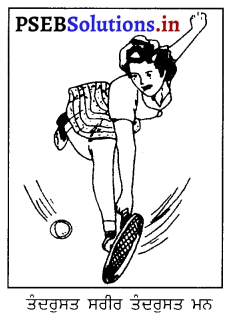
3. ਸਮਾਜਿਕ ਵਿਕਾਸ (Social Development)-ਸਰੀਰਕ ਸਿੱਖਿਆ ਵਿਅਕਤੀ ਨੂੰ ਆਪਣੇ ਆਲੇ-ਦੁਆਲੇ ਦੇ ਲੋਕਾਂ ਦੇ ਨਾਲ ਚੰਗੀ ਭਾਵਨਾ ਨਾਲ ਰਹਿਣ ਦੀ ਸਿੱਖਿਆ ਪ੍ਰਦਾਨ ਕਰਦੀ ਹੈ । ਜਦੋਂ ਇਕ ਵਿਅਕਤੀ ਵੱਖ-ਵੱਖ ਥਾਂਵਾਂ ਦੇ ਖਿਡਾਰੀਆਂ ਦੇ ਨਾਲ ਮਿਲ ਕੇ ਖੇਡਦਾ ਹੈ ਤਾਂ ਸਮਾਜਿਕ ਵਿਕਾਸ ਦਾ ਚੰਗਾ ਵਾਤਾਵਰਨ ਪੈਦਾ ਹੋ ਜਾਂਦਾ ਹੈ । ਹਰੇਕ ਖਿਡਾਰੀ ਹੋਰ ਖਿਡਾਰੀਆਂ ਦੇ ਸੁਭਾਅ, ਰਸਮ-ਰਿਵਾਜ, ਪਹਿਰਾਵਾ, ਸੱਭਿਅਤਾ ਅਤੇ ਸੰਸਕ੍ਰਿਤੀ ਤੋਂ ਚੰਗੀ ਤਰ੍ਹਾਂ ਜਾਣੂ ਹੋ ਜਾਂਦਾ ਹੈ | ਕਈ ਵਾਰ ਦੂਸਰਿਆਂ ਦੀਆਂ ਚੰਗੀਆਂ ਗੱਲਾਂ ਅਤੇ ਗੁਣ ਗ੍ਰਹਿਣ ਕਰ ਲਏ ਜਾਂਦੇ ਹਨ । ਵੇਖਣ ਵਿਚ ਆਇਆ ਹੈ ਕਿ ਯੂਨੀਵਰਸਿਟੀ, ਰਾਜ, ਰਾਸ਼ਟਰੀ ਅੰਤਰ-ਰਾਸ਼ਟਰੀ ਪੱਧਰਾਂ ਤੇ ਖੇਡ ਮੁਕਾਬਲਿਆਂ ਦਾ ਪ੍ਰਬੰਧ ਕੀਤਾ ਜਾਂਦਾ ਹੈ । ਇਸ ਦਾ ਮੁੱਖ ਉਦੇਸ਼ ਲੋਕਾਂ ਵਿਚ ਪ੍ਰੇਮ ਅਤੇ ਆਦਰ ਦੀਆਂ ਭਾਵਨਾਵਾਂ ਦਾ ਵਿਕਾਸ ਕਰਨਾ ਹੁੰਦਾ ਹੈ ।
4. ਚਰਿੱਤਰ ਨਿਰਮਾਣ ਅਤੇ ਨੈਤਿਕ ਵਿਕਾਸ (Character Formation and Moral Development)-ਖੇਡ ਦਾ ਮੈਦਾਨ ਚਰਿੱਤਰ-ਨਿਰਮਾਣ ਦੀ ਪਾਠਸ਼ਾਲਾ ਹੈ । ਇਸ ਦਾ ਕਾਰਨ ਇਹ ਹੈ ਕਿ ਖੇਡ ਦੇ ਮੈਦਾਨ ਵਿਚ ਹੀ ਵਿਅਕਤੀ ਆਲੇ-ਦੁਆਲੇ ਦੇ ਨਿਯਮਾਂ ਨੂੰ ਨਿਭਾਉਂਦੇ ਹਨ । ਇੱਥੇ ਹੀ ਉਹ ਚੰਗਾ ਜੀਵਨ ਬਤੀਤ ਕਰਨ ਦੀ ਕਲਾ ਸਿੱਖਦੇ ਹਨ ਅਤੇ ਸੁਲਝੇ ਹੋਏ ਇਨਸਾਨ ਬਣ ਜਾਂਦੇ ਹਨ । ਖੇਡ ਖੇਡਦੇ ਸਮੇਂ ਜੇ ਰੈਫ਼ਰੀ ਕੋਈ ਅਜਿਹਾ ਫ਼ੈਸਲਾ ਦੇ ਦਿੰਦਾ ਹੈ, ਜੋ ਉਹਨਾਂ ਨੂੰ ਪਸੰਦ ਨਹੀਂ ਤਾਂ ਵੀ ਉਹ ਖੇਡ ਜਾਰੀ ਰੱਖਦੇ ਹਨ ਅਤੇ ਕੋਈ ਬੁਰਾ ਵਿਹਾਰ ਨਹੀਂ ਕਰਦੇ । ਖੇਡ ਦੇ ਮੈਦਾਨ ਵਿਚ ਹੀ ਆਗਿਆ ਪਾਲਣ, ਅਨੁਸ਼ਾਸਨ, ਪ੍ਰੇਮ ਅਤੇ ਦੁਸਰਿਆਂ ਨਾਲ ਸਹਿਯੋਗ ਆਦਿ ਗੁਣ ਸਿੱਖੇ ਜਾਂਦੇ ਹਨ । ਇਸ ਤਰ੍ਹਾਂ ਹਰੇਕ ਵਿਅਕਤੀ ਦਾ ਚਰਿੱਤਰ-ਨਿਰਮਾਣ ਅਤੇ ਨੈਤਿਕ-ਵਿਕਾਸ ਹੁੰਦਾ ਹੈ ।
5. ਨਾੜੀਆਂ ਅਤੇ ਮਾਸ-ਪੇਸ਼ੀਆਂ ਵਿਚ ਇਕਸਾਰਤਾ (Neuro-muscular Coordination-ਸਾਡੀਆਂ ਹਰ ਰੋਜ਼ ਦੀਆਂ ਕਿਰਿਆਵਾਂ ਸੁਚੱਜੇ ਢੰਗ ਨਾਲ ਪੂਰਾ ਕਰਨ ਲਈ ਜ਼ਰੂਰੀ ਹੈ ਕਿ ਨਾੜੀਆਂ ਅਤੇ ਮਾਸ-ਪੇਸ਼ੀਆਂ ਵਿਚ ਇਕਸਾਰਤਾ ਪੈਦਾ ਹੋਵੇ ਤੇ ਸਰੀਰਕ ਸਿੱਖਿਆ ਇਹਨਾਂ ਵਿਚ ਇਕਸਾਰਤਾ ਪੈਦਾ ਕਰਨ ਵਿਚ ਮਦਦ ਕਰਦੀ ਹੈ :
6. ਬਿਮਾਰੀਆਂ ਤੋਂ ਬਚਾਉ Prevention of Diseases) – ਸਰੀਰਕ ਸਿੱਖਿਆ ਦਾ ਉਦੇਸ਼ ਵਿਦਿਆਰਥੀਆਂ ਨੂੰ ਬਿਮਾਰੀਆਂ ਤੋਂ ਬਚਾਉਣਾ ਵੀ ਹੈ । ਬਹੁਤ ਸਾਰੀਆਂ ਬਿਮਾਰੀਆਂ ਅਗਿਆਨਤਾ ਦੇ ਕਾਰਨ ਲੱਗ ਜਾਂਦੀਆਂ ਹਨ ! ਸਰੀਰਕ ਸਿੱਖਿਆ ਦਾ ਉਦੇਸ਼ ਬੱਚਿਆਂ ਨੂੰ ਬਿਮਾਰੀਆਂ ਤੋਂ ਬਚ ਸਕਦੇ ਹਨ । ਅੰਤ ਵਿਚ ਅਸੀਂ ਕਹਿ ਸਕਦੇ ਹਾਂ ਕਿ ਸਰੀਰਕ ਸਿੱਖਿਆ ਮਨੁੱਖ ਦੇ ਸਰਵ-ਪੱਖੀ ਵਿਕਾਸ ਲਈ, ਨਾਗਰਿਕਤਾ ਲਈ ਮਨੁੱਖੀ ਭਾਵਨਾਵਾਂ ਦੇ ਨਿਰਮਾਣ ਅਤੇ ਰਾਸ਼ਟਰੀ ਏਕਤਾ ਲਈ ਬਹੁਤ ਹੀ ਉਪਯੋਗੀ ਹੈ
ਪ੍ਰਸ਼ਨ 2.
ਹਾਕੀ ਦੇ ਖੇਡ ਮੈਦਾਨ ਵਿਚ ਤੁਸੀਂ ਕਿਹੜੇ-ਕਿਹੜੇ ਸਰੀਰਕ ਸਿੱਖਿਆ ਦੇ ਉਦੇਸ਼ ਹਿਣ ਕਰਦੇ ਹੋ ? (Discuss the various objectives which you attain in the field of Hockey ?)
ਉੱਤਰ-
ਹਾਕੀ ਦਾ ਮੈਦਾਨ ਵੀ ਇਕ ਤਰ੍ਹਾਂ ਦੀ ਪਾਠਸ਼ਾਲਾ ਹੈ, ਜਿੱਥੇ ਵਿਦਿਆਰਥੀ ਸਰੀਰਕ ਸਿੱਖਿਆ ਦੇ ਬਹੁਤ ਸਾਰੇ ਗੁਣ ਪ੍ਰਾਪਤ ਕਰਦਾ ਹੈ ਜਿਨ੍ਹਾਂ ਨਾਲ ਉਹ ਜੀਵਨ ਵਿਚ ਉੱਨਤੀ ਦੀ ਉੱਚ ਸਿਖਰ ਤੇ ਪਹੁੰਚਦਾ ਹੈ ਅਤੇ ਜੀਵਨ ਦਾ ਹਰ ਪੱਖ ਨਾਲ ਭਰਪੂਰ ਆਨੰਦ ਉਠਾਉਂਦਾ ਹੈ ।
ਹਾਕੀ ਦੇ ਖੇਡ ਦੇ ਮੈਦਾਨ ਵਿਚ ਅਸੀਂ ਹੇਠ ਲਿਖੇ ਸਰੀਰਕ ਸਿੱਖਿਆ ਦੇ ਗੁਣਾਂ ਨੂੰ ਗ੍ਰਹਿਣ ਕਰਦੇ ਹਾਂ –
1. ਸਹਿਨਸ਼ੀਲਤਾ (Toleration)-ਖੇਡ ਦੇ ਮੈਦਾਨ ਵਿਚ ਅਸੀਂ ਸਹਿਨਸ਼ੀਲਤਾ ਦਾ ਪਾਠ ਪੜ੍ਹਦੇ ਹਾਂ । ਉਂਝ ਤਾਂ ਸਭ ਖਿਡਾਰੀ ਚਾਹੁੰਦੇ ਹਨ ਕਿ ਜਿੱਤ ਉਹਨਾਂ ਦੀ ਟੀਮ ਦੀ ਹੀ ਹੋਵੇ, ਪਰ ਕਈ ਵਾਰ ਲੱਖ ਚਾਹੁਣ ਤੇ ਵੀ ਵਿਰੋਧੀ ਟੀਮ ਦੀ ਜਿੱਤ ਹੋ ਜਾਂਦੀ ਹੈ । ਅਜਿਹੀ ਸਥਿਤੀ ਵਿਚ ਹਾਕੀ ਦੀ ਟੀਮ ਦੇ ਖਿਡਾਰੀ ਦਿਲ ਛੱਡ ਕੇ ਨਹੀਂ ਬੈਠ ਜਾਂਦੇ ਸਗੋਂ ਆਪਣਾ ਮਨੋਬਲ ਉੱਚਾ ਰੱਖਦੇ ਹਨ । ਉਹ ਹਾਰ-ਜਿੱਤ ਨੂੰ ਇਕੋ ਜਿਹਾ ਹੀ ਸਮਝਦੇ ਹਨ । ਇਸ ਤਰ੍ਹਾਂ ਖੇਡ ਦੇ ਮੈਦਾਨ ਵਿਚ ਵਿਦਿਆਰਥੀਆਂ ਨੂੰ ਸਹਿਨਸ਼ੀਲਤਾ ਦੀ ਵਿਹਾਰਿਕ ਟਰੇਨਿੰਗ ਮਿਲਦੀ ਹੈ ।
2. ਅਨੁਸ਼ਾਸਨ (Discipline) -ਖੇਡ ਦੇ ਮੈਦਾਨ ਵਿਚ ਖਿਡਾਰੀ ਅਨੁਸ਼ਾਸਨ ਵਿਚ ਰਹਿਣ ਦੀ ਕਲਾ ਸਿੱਖਦੇ ਹਨ । ਉਹਨਾਂ ਨੂੰ ਪਤਾ ਲਗਦਾ ਹੈ ਕਿ ਅਨੁਸ਼ਾਸਨ ਹੀ ਸਫਲਤਾ ਦੀ ਕੁੰਜੀ ਹੈ । ਉਹ ਖੇਡ ਵਿਚ ਭਾਗ ਲੈਂਦੇ ਸਮੇਂ ਅਨੁਸ਼ਾਸਨ ਦਾ ਪਾਲਣ ਕਰਦੇ ਹਨ । ਉਹ ਆਪਣੇ ਕਪਤਾਨ ਦੀ ਆਗਿਆ ਮੰਨਦੇ ਹਨ ਅਤੇ ਰੈਫ਼ਰੀ ਦੇ ਨਿਰਣਿਆਂ ਨੂੰ ਖ਼ੁਸ਼ੀ ਨਾਲ ਕਬੂਲ ਕਰਦੇ ਹਨ । ਖੇਡ ਵਿਚ ਹਾਰ ਨੂੰ ਸਾਹਮਣੇ ਸਪੱਸ਼ਟ ਵੇਖਦੇ ਹੋਏ ਵੀ ਉਹ ਕੋਈ ਅਜਿਹਾ ਬੁਰਾ ਵਿਹਾਰ ਨਹੀਂ ਕਰਦੇ ਜਿਨ੍ਹਾਂ ਤੋਂ ਕੋਈ ਉਹਨਾਂ ਨੂੰ ਅਣ-ਅਨੁਸ਼ਾਸਿਤ ਕਹਿ ਸਕੇ ।
3. ਚਰਿੱਤਰ ਵਿਕਾਸ (Character Development)-ਹਾਕੀ ਦੀ ਖੇਡ ਵਿਚ ਭਾਗ ਲੈਣ ਨਾਲ ਵਿਦਿਆਰਥੀਆਂ ਵਿਚ ਸਹਿਯੋਗ, ਪ੍ਰੇਮ, ਸਹਿਨਸ਼ੀਲਤਾ, ਅਨੁਸ਼ਾਸਨ ਆਦਿ ਗੁਣਾਂ ਦਾ ਵਿਕਾਸ ਹੁੰਦਾ ਹੈ, ਜਿਨ੍ਹਾਂ ਨਾਲ ਉਹਨਾਂ ਦੇ ਚਰਿੱਤਰ ਦਾ ਵਿਕਾਸ ਹੁੰਦਾ ਹੈ । ਇਸ ਖੇਡ ਵਿਚ ਭਾਗ ਲੈਣ ਨਾਲ ਉਹਨਾਂ ਵਿਚ ਸਹਿਯੋਗ ਦੀ ਭਾਵਨਾ ਵਿਕਸਿਤ ਹੁੰਦੀ ਹੈ । ਉਹ ਨਿੱਜੀ ਹਿਤਾਂ ਨੂੰ ਸਮੁੱਚੇ ਹਿਤਾਂ ਤੇ ਵਾਰ ਦਿੰਦੇ ਹਨ ।
4. ਸ਼ਖ਼ਸੀਅਤ ਦਾ ਵਿਕਾਸ (Development of Personality)-ਹਾਕੀ ਦੀ ਖੇਡ ਵਿਚ ਭਾਗ ਲੈਣ ਨਾਲ ਵਿਦਿਆਰਥੀਆਂ ਵਿਚ ਕੁੱਝ ਅਜਿਹੇ ਗੁਣ ਉਤਪੰਨ ਹੋ ਜਾਂਦੇ ਹਨ, ਜਿਨ੍ਹਾਂ ਨਾਲ ਉਹਨਾਂ ਦੀ ਸ਼ਖ਼ਸੀਅਤ ਦਾ ਵਿਕਾਸ ਹੋ ਜਾਂਦਾ ਹੈ । ਉਹਨਾਂ ਵਿਚ ਸਹਿਯੋਗ ਅਤੇ ਸਹਿਨਸ਼ੀਲਤਾ ਆਦਿ ਗੁਣ ਵਿਕਸਿਤ ਹੁੰਦੇ ਹਨ ਅਤੇ ਉਹਨਾਂ ਦਾ ਸਰੀਰ ਸੁੰਦਰ ਅਤੇ ਖਿੱਚਵਾਂ ਬਣ ਜਾਂਦਾ ਹੈ ਇਹ ਸਭ ਚੰਗੇ ਵਿਅਕਤੀਤਵ ਦੇ ਚਿੰਨ੍ਹ ਹਨ ।
5. ਚੰਗੇ ਨਾਗਰਿਕ (Good Citizens)-ਹਾਕੀ ਦੀ ਖੇਤ ਦੇ ਰਾਹੀਂ ਖਿਡਾਰੀਆਂ ਵਿਚ ਚੰਗੇ ਨਾਗਰਿਕ ਬਣਨ ਦੇ ਗੁਣ ਪੈਦਾ ਹੁੰਦੇ ਹਨ, ਜਿਵੇਂ ਅਨੁਸ਼ਾਸਨ ਵਿਚ ਰਹਿਣਾ, ਨਿਯਮਾਂ ਦੀ ਪਾਲਣਾ ਕਰਨਾ, ਕਾਨੂੰਨ ਅਤੇ ਹੁਕਮ ਅਨੁਸਾਰ ਚਲਣਾ ਆਦਿ । ਇਹ ਸਾਰੇ ਗੁਣ ਚੰਗੇ ਨਾਗਰਿਕ ਬਣਨ ਵਿਚ ਸਹਾਇਤਾ ਕਰਦੇ ਹਨ :
6. ਸਹਿਯੋਗ (Co-operation) – ਹਾਕੀ ਦੀ ਖੇਡ ਵਿਚ ਭਾਗ ਲੈਣ ਵਾਲਾ ਖਿਡਾਰੀ ਹਰ ਇਕ ਖਿਡਾਰੀ ਦਾ ਕਹਿਣਾ ਮੰਨਦਾ ਹੈ । ਉਹ ਆਪਣੇ ਵਿਚਾਰ ਨੂੰ ਦੂਜਿਆਂ ਤੇ ਜ਼ਬਰਦਸਤੀ ਲਾਗੂ ਨਹੀਂ ਕਰਾਉਂਦਾ ਹੈ, ਸਗੋਂ ਵਿਚਾਰ-ਵਟਾਂਦਰੇ ਦੇ ਰਾਹੀਂ ਖੇਡ ਦੇ ਮੈਦਾਨ ਵਿਚ ਸਾਂਝੀ ਵਿਚਾਰਧਾਰਾ ਬਣਾਉਂਦਾ ਹੈ । ਇਸ ਤਰ੍ਹਾਂ ਸਹਿਯੋਦਾ ਦੀ ਭਾਵਨਾ ਪੈਦਾ ਹੁੰਦੀ ਹੈ ।
7. ਕੋਮੀ ਏਕਤਾ ਦੀ ਭਾਵਨਾ (National Spirit) – ਹਾਕੀ ਦਾ ਖੇਡ ਮੈਦਾਨ ਇਕ ਅਜਿਹੀ ਥਾਂ ਹੈ ਜਿੱਥੇ ਅਸੀਂ ਬਿਨਾਂ ਧਰਮ, ਮਜ਼ਹਬ ਤੇ ਸ਼੍ਰੇਣੀ ਦੇ ਆਧਾਰ ‘ਤੇ ਭਾਗ ਲੈ ਸਕਦੇ ਹਾਂ । ਕੋਈ ਖਿਡਾਰੀ ਖੇਡ ਦੇ ਮੈਦਾਨ ਵਿਚੋਂ ਕਿਸੇ ਖਿਡਾਰੀ ਨੂੰ ਧਰਮ ਦੇ ਆਧਾਰ ‘ਤੇ ਟੀਮ ਵਿਚੋਂ ਬਾਹਰ ਨਹੀਂ ਕੱਢ ਸਕਦਾ । ਇਸ ਤਰ੍ਹਾਂ ਖੇਡ ਦੇ ਮੈਦਾਨ ਵਿਚ ਇਕਸਾਰਤਾ ਤੇ ਕੌਮੀ ਏਕਤਾ ਦੀ ਭਾਵਨਾ ਪੈਦਾ ਹੁੰਦੀ ਹੈ ।
8. ਆਤਮ-ਵਿਸ਼ਵਾਸ ਦੀ ਭਾਵਨਾ (Self-Confidence)-ਹਾਕੀ ਦੇ ਖੇਡ ਮੈਦਾਨ ਵਿਚ ਖਿਡਾਰੀਆਂ ਵਿਚ ਆਤਮ-ਵਿਸ਼ਵਾਸ ਦੀ ਭਾਵਨਾ ਪੈਦਾ ਹੁੰਦੀ ਹੈ ਜਿਵੇਂ ਉਹ ਜਿੱਤ-ਹਾਰ ਨੂੰ ਇਕੋ ਜਿਹਾ ਸਮਝਦੇ ਹਨ। ਉਹ ਹੀ ਖਿਡਾਰੀ ਖੇਡ ਦੇ ਮੈਦਾਨ ਵਿਚ ਸਫਲ ਹੁੰਦਾ ਹੈ, ਜੋ ਹੌਸਲੇ ਅਤੇ ਵਿਸ਼ਵਾਸ ਨਾਲ ਖੇਡੇ । ਇਸ ਤੋਂ ਸਿੱਧ ਹੁੰਦਾ ਹੈ ਕਿ ਹਾਕੀ ਦੀ ਖੇਡ ਦੇ ਰਾਹੀਂ ਖਿਡਾਰੀਆਂ ਵਿਚ ਆਤਮ-ਵਿਸ਼ਵਾਸ ਦੀ ਭਾਵਨਾ ਪੈਦਾ ਹੁੰਦੀ ਹੈ ।
9. ਹਾਰ-ਜਿੱਤ ਨੂੰ ਬਰਾਬਰ ਸਮਝਣ ਦੀ ਭਾਵਨਾ (Spirit of giving equal Importance of Victory of Defeat)-ਹਾਕੀ ਦੀ ਖੇਡ ਦੇ ਰਾਹੀਂ ਖਿਡਾਰੀਆਂ ਵਿਚ ਹਾਰ-ਜਿੱਤ ਇਕੋ ਜਿਹੀ ਸਮਝਣ ਦੀ ਭਾਵਨਾ ਪੈਦਾ ਹੁੰਦੀ ਹੈ । | ਸਾਨੂੰ ਕਦੀ ਵੀ ਵਿਰੋਧੀ ਟੀਮ ਦਾ ਮਜ਼ਾਕ ਨਹੀਂ ਉਡਾਉਣਾ ਚਾਹੀਦਾ ਜਾਂ ਜਿੱਤ ਦੀ ਖ਼ੁਸ਼ੀ ‘ਚ ਵਧੇਰੇ ਪਾਗਲ ਨਹੀਂ ਹੋਣਾ ਚਾਹੀਦਾ | ਹਾਰੀ ਹੋਈ ਟੀਮ ਨੂੰ ਹਮੇਸ਼ਾਂ ਉਤਸ਼ਾਹ ਦੇਣਾ ਚਾਹੀਦਾ ਹੈ । ਜੇ ਉਸ ਨੂੰ ਹਾਰ ਹੁੰਦੀ ਹੈ ਤਾਂ ਉਸ ਨੂੰ ਨਿਰਾਸ਼ ਤੇ ਉਤਸ਼ਾਹਹੀਨ ਨਹੀਂ ਹੋਣਾ ਚਾਹੀਦਾ, ਸਗੋਂ ਹੌਸਲਾ ਰੱਖਣਾ ਚਾਹੀਦਾ ਹੈ ।
10. ਤਿਆਗ ਦੀ ਭਾਵਨਾ (Spirit of Sacrifice)-ਹਾਕੀ ਦੇ ਖੇਡ ਮੈਦਾਨ ਵਿਚ ਤਿਆਗ ਦੀ ਭਾਵਨਾ ਬਹੁਤ ਹੀ ਜ਼ਰੂਰੀ ਹੈ । ਜਦੋਂ ਅਸੀਂ ਖੇਡ ਵਿਚ ਭਾਗ ਲੈਂਦੇ ਹਾਂ ਤਾਂ ਅਸੀਂ ਆਪਣੇ ਸਕੂਲ, ਪਾਂਤ, ਖੇਤਰ ਅਤੇ ਸਾਰੇ ਰਾਸ਼ਟਰ ਦੇ ਲਈ ਆਪਣੇ ਹਿਤ ਦਾ ਤਿਆਗ ਕਰਕੇ ਉਸ ਦੀ ਜਿੱਤ ਦਾ ਸਿਹਰਾ ਰਾਸ਼ਟਰ ਨੂੰ ਦਿੰਦੇ ਹਾਂ । ਇਸ ਲਈ ਇਹ ਸਾਬਤ ਹੁੰਦਾ ਹੈ ਕਿ ਖੇਡਾਂ ਹਮੇਸ਼ਾਂ ਤਿਆਗ ਚਾਹੁੰਦੀਆਂ ਹਨ ।
ਇਸੇ ਲਈ ਤਾਂ ਡਿਊਕ ਆਫ਼ ਵਿਲਿੰਗਟਨ ਨੇ ਨੈਪੋਲੀਅਨ ਨੂੰ ਵਾਟਰਲੂ (Waterloo) ਦੀ ਲੜਾਈ ਵਿਚ ਹਰਾਉਣ ਤੋਂ ਮਗਰੋਂ ਕਿਹਾ, ਵਾਟਰਲੂ ਦੀ ਲੜਾਈ ਏਟਨ ਤੇ ਹੈਰੋ ਦੇ ਖੇਡ ਦੇ ਮੈਦਾਨਾਂ ਵਿਚ ਜਿੱਤੀ ਗਈ । (“The battle of Waterloo was won at the playing fields of Eton and Harrow.”)
ਇਸ ਤੋਂ ਸਿੱਧ ਹੁੰਦਾ ਹੈ ਕਿ ਖੇਡਾਂ ਚੰਗੇ ਨੇਤਾ ਪੈਦਾ ਕਰਨ ਵਿਚ ਸਹਾਇਕ ਹੁੰਦੀਆਂ ਹਨ ।