Punjab State Board PSEB 10th Class Science Important Questions Chapter 6 ਜੈਵਿਕ ਕਿਰਿਆਵਾਂ Important Questions and Answers.
PSEB 10th Class Science Important Questions Chapter 6 ਜੈਵਿਕ ਕਿਰਿਆਵਾਂ
ਵੱਡੇ ਉੱਚਰਾਂ ਵਾਲੇ ਪ੍ਰਸ਼ਨ (Long Answer Type Questions)
ਪ੍ਰਸ਼ਨ 1.
ਬਿਖਮਪੋਸ਼ੀ ਜੀਵਾਂ ਨੂੰ ਪੋਸ਼ਣ ਦੇ ਆਧਾਰ ‘ਤੇ ਕਿਹੜੇ-ਕਿਹੜੇ ਭਾਗਾਂ ਵਿੱਚ ਵੰਡਿਆ ਗਿਆ ਹੈ ?
ਉੱਤਰ-
ਬਿਖਮਪੋਸ਼ੀ ਜੀਵਾਂ ਨੂੰ ਪੋਸ਼ਣ ਦੇ ਆਧਾਰ ਤੇ ਅੱਗੇ ਲਿਖੇ ਭਾਗਾਂ ਵਿੱਚ ਵੰਡਿਆ ਗਿਆ ਹੈ-
(1) ਮ੍ਰਿਤਉਪਜੀਵੀ – ਉਹ ਜੀਵ ਜੋ ਆਪਣਾ ਭੋਜਨ ਮਰੇ ਅਤੇ ਗਲੇ ਸੜੇ ਕਾਰਬਨਿਕ ਪਦਾਰਥਾਂ ਤੋਂ ਪ੍ਰਾਪਤ ਕਰਦੇ ਹਨ, ਮ੍ਰਿਤਉਪਜੀਵੀ ਕਹਾਉਂਦੇ ਹਨ । ਉਦਾਹਰਨ-ਕਣਕ, ਖਮੀਰ, ਮਸ਼ਰੂਮ ਅਤੇ ਜੀਵਾਣੂ ਆਦਿ ।
(2) ਪਰਜੀਵੀ – ਉਹ ਜੀਵ ਜੋ ਆਪਣਾ ਭੋਜਨ ਹੋਰ ਜੀਵਾਂ ਦੇ ਸਰੀਰ ਦੇ ਬਾਹਰ ਜਾਂ ਅੰਦਰੋਂ ਰਹਿ ਕੇ ਸਿੱਧੇ ਰੂਪ ਵਿੱਚ ਪ੍ਰਾਪਤ ਕਰਦੇ ਹਨ ਨੂੰ ਪਰਜੀਵੀ ਕਹਿੰਦੇ ਹਨ । ਉਦਾਹਰਨ-ਖਟਮਲ, ਏਸਕੇਰਿਸ, ਮੱਛਰ, ਅਮਰਵੇਲ ਆਦਿ ।
(3) ਪਾਣੀ ਸਮਭੋਜੀ – ਅਜਿਹੇ ਜੀਵ ਜਿਨ੍ਹਾਂ ਵਿੱਚ ਪਾਚਨ ਤੰਤਰ ਹੁੰਦਾ ਹੈ ਜੋ ਭੋਜਨ ਪਦਾਰਥਾਂ ਨੂੰ ਸਰੀਰ ਦੇ ਅੰਦਰ ਲੈ ਕੇ ਪਾਚਨ ਕਰਦੇ ਹਨ ਅਤੇ ਪਚ ਭੋਜਨ ਦਾ ਅਵਸ਼ੋਸ਼ਣ ਕਰਦੇ ਹਨ ਤੇ ਬਾਕੀ ਅਪਚਿਤ ਭੋਜਨ ਨੂੰ ਉਤਸਰਜਿਤ ਕਰਦੇ ਹਨ । ਪਾਣੀ ਸਮਭੋਜੀ ਜੀਵ ਕਹਾਉਂਦੇ ਹਨ । ਇਹ ਤਿੰਨ ਤਰ੍ਹਾਂ ਦੇ ਹੁੰਦੇ ਹਨ ।
- ਸ਼ਾਕਾਹਾਰੀ – ਇਹ ਜੰਤੁ ਆਪਣਾ ਭੋਜਨ ਕੇਵਲ ਪੌਦਿਆਂ ਤੋਂ ਪ੍ਰਾਪਤ ਕਰਦੇ ਹਨ ; ਜਿਵੇਂ-ਗਾਂ, ਚੂਹਾ, ਹਿਰਨ ਅਤੇ ਬੱਕਰੀ ਆਦਿ ।
- ਮਾਸਾਹਾਰੀ – ਇਹ ਉਹ ਜੰਤੁ ਹੁੰਦੇ ਹਨ ਜੋ ਹੋਰ ਜੰਤੂਆਂ ਦੇ ਮਾਸ ਨੂੰ ਆਪਣੇ ਭੋਜਨ ਦੇ ਰੂਪ ਵਿੱਚ ਪ੍ਰਾਪਤ ਕਰਦੇ ਹਨ , ਜਿਵੇਂ-ਸ਼ੇਰ, ਚੀਤਾ, ਭੇੜੀਆਂ, ਸੱਪ, ਬਜ਼ ਆਦਿ ।
- ਸਰਬ ਆਹਾਰੀ – ਇਹ ਜੰਤੂ ਪੌਦਿਆਂ ਅਤੇ ਜੰਤੂਆਂ ਦੇ ਮਾਸ ਦੋਹਾਂ ਨੂੰ ਭੋਜਨ ਦੇ ਰੂਪ ਵਿੱਚ ਲੈਂਦੇ ਹਨ ; ਜਿਵੇਂ-ਕਾਕਰੋਚ, ਮਨੁੱਖ, ਕਾਂ ਆਦਿ ।
ਪ੍ਰਸ਼ਨ 2.
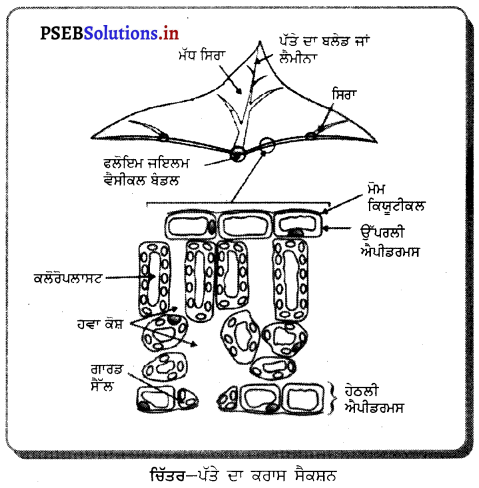
ਪ੍ਰਕਾਸ਼ ਸੰਸ਼ਲੇਸ਼ਣ ਕਿਵੇਂ ਹੁੰਦਾ ਹੈ ? ਪੱਤੇ ਦੇ ਅਨੁਪ੍ਰਸਥ ਕਾਟ ਦੇ ਚਿੱਤਰ ਦੀ ਸਹਾਇਤਾ ਨਾਲ ਉਨ੍ਹਾਂ ਸੈੱਲਾਂ ਨੂੰ ਪ੍ਰਦਰਸ਼ਿਤ ਕਰੋ ਜਿਨ੍ਹਾਂ ਵਿੱਚ ਕਲੋਰੋਫਿਲ ਮਿਲਦਾ ਹੈ ? ਇਸਦਾ ਮਹੱਤਵ ਲਿਖੋ ।
ਉੱਤਰ-
ਪ੍ਰਕਾਸ਼ ਸੰਸ਼ਲੇਸ਼ਣ – ਹਰੇ ਪੌਦੇ ਸੂਰਜੀ ਪ੍ਰਕਾਸ਼ ਦੁਆਰਾ ਕਲੋਰੋਫਿਲ ਨਾਮਕ ਪਦਾਰਥ ਦੀ ਮੌਜੂਦਗੀ ਵਿੱਚ CO ਅਤੇ ਪਾਣੀ ਦੁਆਰਾ ਕਾਰਬੋਹਾਈਡਰੇਟ (ਭੋਜਨ ਪਦਾਰਥ) ਦਾ ਨਿਰਮਾਣ ਕਰਦੇ ਹਨ ਅਤੇ ਆਕਸੀਜਨ ਗੈਸ ਬਾਹਰ ਕੱਢਦੇ ਹਨ । ਇਸ ਪ੍ਰਕਿਰਿਆ ਨੂੰ ਪ੍ਰਕਾਸ਼ ਸੰਸ਼ਲੇਸ਼ਣ ਕਹਿੰਦੇ ਹਨ ।

ਇਹ ਪੱਤਿਆਂ ਵਿੱਚ ਮਿਲਣ ਵਾਲਾ ਇੱਕ ਪ੍ਰਕਾਸ਼ਧੀ ਵਰਣਕ ਹੈ ਅਤੇ ਪ੍ਰਕਾਸ਼ ਸੰਸ਼ਲੇਸ਼ਣ ਪ੍ਰਕਿਰਿਆ ਨੂੰ ਪੂਰਾ
ਕਰਦਾ ਹੈ । ਇਹ ਹਰੇ ਬਿੰਦੁ ਕੇਸ਼ਿਕਾ ਅੰਗਾਂ ਵਿੱਚ ਹੁੰਦਾ ਹੈ, ਜਿਨ੍ਹਾਂ ਨੂੰ ਹਰਿਤ ਲਵਕ (Chloroplast) ਕਹਿੰਦੇ ਹਨ । ਇਹ ਪੱਤੇ ਦੇ ਉੱਪਰ ਬਾਹਰੀ
ਚਮੜੀ ਦੇ ਹੇਠਾਂ ਸਥਿਤ ਕੋਸ਼ਿਕਾਵਾਂ ਵਿੱਚ ਮਿਲਦਾ ਹੈ ।
ਮਹੱਤਵ-
- ਇਸ ਪ੍ਰਕਿਰਿਆ ਦੁਆਰਾ ਭੋਜਨ ਦਾ ਨਿਰਮਾਣ ਹੁੰਦਾ ਹੈ ਜਿਸ ਨਾਲ ਮਨੁੱਖ ਅਤੇ ਹੋਰ ਜੀਵ ਜੰਤੂਆਂ ਦਾ ਪੋਸ਼ਣ ਹੁੰਦਾ ਹੈ ।
- ਇਸ ਪ੍ਰਕਿਰਿਆ ਵਿੱਚ ਆਕਸੀਜਨ ਦਾ ਨਿਰਮਾਣ ਹੁੰਦਾ ਹੈ, ਜੋ ਕਿ ਜੀਵਨ ਲਈ ਬਹੁਤ ਜ਼ਰੂਰੀ ਹੈ । ਜੀਵ ਸਾਹ ਰਾਹੀਂ ਆਕਸੀਜਨ ਪ੍ਰਾਪਤ ਕਰਦੇ ਹਨ ਜਿਸ ਨਾਲ ਭੋਜਨ ਦਾ ਆਕਸੀਕਰਨ ਹੋ ਕੇ ਸਰੀਰ ਲਈ ਊਰਜਾ ਪ੍ਰਾਪਤ ਹੁੰਦੀ ਹੈ ।
- ਕਾਰਬਨ-ਡਾਈਆਕਸਾਈਡ ਦੇ ਨਿਯਮਨ ਤੋਂ ਪ੍ਰਦੂਸ਼ਣ ਦੂਰ ਹੁੰਦਾ ਹੈ ।
- ਪ੍ਰਕਾਸ਼ ਸੰਸ਼ਲੇਸ਼ਣ ਦੇ ਹੀ ਉਤਪਾਦ ਖਣਿਜ, ਤੇਲ, ਪੈਟਰੋਲੀਅਮ, ਕੌਇਆ ਆਦਿ ਹਨ, ਜੋ ਕਰੋੜਾਂ ਸਾਲ ਪੌਦਿਆਂ ਦੁਆਰਾ ਸੰਗ੍ਰਹਿਤ ਕੀਤੇ ਗਏ ਹਨ ।

ਪ੍ਰਸ਼ਨ 3.
ਪੌਦੇ ਕਿਸ ਪ੍ਰਕਾਰ ਭੋਜਨ ਪ੍ਰਾਪਤ ਕਰਦੇ ਹਨ ? ਪ੍ਰਕਾਸ਼ ਸੰਸ਼ਲੇਸ਼ਣ ਵਿੱਚ ਕਲੋਰੋਫਿਲ ਦੀ ਭੂਮਿਕਾ ਦਾ ਵਿਵਰਣ ਦਿਓ ।
ਉੱਤਰ-
ਹਰੇ ਪੌਦੇ ਆਪਣਾ ਭੋਜਨ ਪਕਾਸ਼ ਸੰਸ਼ਲੇਸ਼ਣ ਵਿਧੀ ਰਾਹੀਂ ਪ੍ਰਾਪਤ ਕਰਦੇ ਹਨ । ਸੂਰਜੀ ਪ੍ਰਕਾਸ਼ ਦੀ ਮੌਜੂਦਗੀ ਵਿੱਚ CO2 ਅਤੇ ਪਾਣੀ ਵਰਗੇ ਸਰਲ ਯੌਗਿਕਾਂ ਦਾ ਹਰੇ ਪੌਦਿਆਂ ਦੁਆਰਾ ਸਥਿਰੀਕਰਨ ਕਰਕੇ ਗੁੰਝਲਦਾਰ ਕਾਰਬਨਿਕ ਪਦਾਰਥ ਕਾਰਬੋਹਾਈਡਰੇਟ ਦੇ ਨਿਰਮਾਣ ਦੀ ਪ੍ਰਕਿਰਿਆ ਨੂੰ ਹੀ ਪ੍ਰਕਾਸ਼ ਸੰਸ਼ਲੇਸ਼ਣ ਕਹਿੰਦੇ ਹਨ ।
ਪ੍ਰਕਾਸ਼ ਸੰਸ਼ਲੇਸ਼ਣ ਕਿਰਿਆ ਕਰਨ ਲਈ ਪੌਦਿਆਂ ਨੂੰ CO2 ਪਾਣੀ, ਕਲੋਰੋਫਿਲ ਅਤੇ ਸੂਰਜੀ ਪ੍ਰਕਾਸ਼ ਦੀ ਲੋੜ ਹੁੰਦੀ ਹੈ । ਥਲੀ ਪੌਦੇ CO2 ਨੂੰ ਬਾਹਰੀ ਵਾਤਾਵਰਨ ਤੋਂ ਜਦੋਂ ਕਿ ਜਲੀ ਪੌਦੇ ਪਾਣੀ ਵਿੱਚ ਘੁਲੀ CO2 ਨੂੰ ਪ੍ਰਾਪਤ ਕਰਦੇ ਹਨ । ਪੌਦਿਆਂ ਦੀਆਂ ਜੜਾਂ ਪਾਣੀ ਦਾ ਸੋਖਣ ਕਰਕੇ ਉਸ ਨੂੰ ਜਾਈਲਮ ਦੁਆਰਾ ਪੱਤਿਆਂ ਤੱਕ ਪਹੁੰਚਾਉਂਦੀਆਂ ਹਨ । ਕਲੋਰੋਫਿਲ ਪੱਤਿਆਂ ਵਿੱਚ ਹੁੰਦਾ ਹੈ, ਜੋ ਪ੍ਰਕਾਸ਼ ਊਰਜਾ ਨੂੰ ਸੋਖਿਤ ਕਰਕੇ ਇਸ ਨੂੰ ਕਾਰਬਨਿਕ ਯੌਗਿਕਾਂ ਦੇ ਰੂਪ ਵਿੱਚ ਇਕੱਠਾ ਕਰ ਦਿੰਦਾ ਹੈ ।
ਪ੍ਰਕਾਸ਼ ਸੰਸ਼ਲੇਸ਼ਣ ਦੀ ਕਿਰਿਆ ਨੂੰ ਹੇਠ ਲਿਖੇ ਰਸਾਇਣਿਕ ਸਮੀਕਰਨ ਦੁਆਰਾ ਪ੍ਰਦਰਸ਼ਿਤ ਕੀਤਾ ਜਾ ਸਕਦਾ ਹੈ-

ਪ੍ਰਕਾਸ਼ ਸੰਸ਼ਲੇਸ਼ਣ ਦੀਆਂ ਦੋ ਅਵਸਥਾਵਾਂ ਹਨ-
(A) ਪ੍ਰਕਾਸ਼ੀ ਅਭਿਕਿਰਿਆ (Light Reaction)
(B) ਅਪ੍ਰਕਾਸ਼ੀ ਅਭਿਕਿਰਿਆ (Dark Reaction) ।
ਪ੍ਰਸ਼ਨ 4.
ਅਮੀਬਾ ਦੇ ਪੋਸ਼ਣ ਦੀ ਪ੍ਰਕਿਰਿਆ ਦਾ ਵਿਵਰਣ ਦਿਓ ।
ਜਾਂ
ਇੱਕ ਸੈੱਲੀ ਜੀਵਾਂ ਵਿੱਚ ਪੋਸ਼ਣ ਪ੍ਰਕਿਰਿਆ ਦਾ ਵਰਣਨ ਕਰੋ ।
ਉੱਤਰ-
ਅਮੀਬਾ ਵਿਚ ਪੋਸ਼ਣ-ਅਮੀਬਾ ਪਾਣੀਸਮ ਵਿਧੀ ਨਾਲ ਪੋਸ਼ਣ ਕਰਦਾ ਹੈ । ਇਹ ਇੱਕ ਸਰਬ ਆਹਾਰੀ ਜੰਤੁ ਹੈ । ਇਸਦਾ ਭੋਜਨ ਪਾਣੀ ਵਿੱਚ ਤੈਰਦੇ ਹੋਏ ਜੀਵਾਣੂ, ਸ਼ੈਵਾਲ, ਡਾਇਟਮ ਆਦਿ ਦੇ ਸੂਖ਼ਮ ਜੀਵਾਂ ਦੇ ਰੂਪ ਵਿਚ ਹੁੰਦਾ ਹੈ । ਇਹ ਸੂਖ਼ਮ ਜੀਵਾਂ ਦੇ ਨਿਗਲਣ (ingestion) ਵਿਚ ਜੋ ਵਿਧੀ ਅਪਣਾਈ ਜਾਂਦੀ ਹੈ, ਉਸ ਨੂੰ ਫੈਗੋਸਾਈਟਾਸਿਸ (Phagocytosis) ਕਹਿੰਦੇ ਹਨ । ਇਹ ਆਪਣੇ ਭੋਜਨ ਨੂੰ ਸਰੀਰ ਦੇ ਕਿਸੇ ਵੀ ਸਤਹਿ ਤੋਂ ਅਸਥਾਈ ਵਾਪਰੇ ਜਾਂ ਕੂਟਪਾਦ ਦੁਆਰਾ ਪ੍ਰਾਪਤ ਕਰਦਾ ਹੈ । ਪੋਸ਼ਣ ਵਿਧੀ ਵਿੱਚ ਹੇਠ ਲਿਖੇ ਚਰਨ ਹਨ-
ਅੰਤਰਹਿਣ, ਪਾਚਨ, ਅੰਦਰ ਸੋਖਣ, ਬਹਿਖੇਪਣ ।
ਜਦੋਂ ਇਹ ਕਿਸੇ ਭੋਜਨ ਪਦਾਰਥ ਦੇ ਸੰਪਰਕ ਵਿੱਚ ਆਉਂਦਾ ਹੈ ਤਾਂ ਉਸ ਨੂੰ ਫੜਨ ਲਈ ਕੂਟਪਾਦ ਬਣਾਵਟ ਉਸ ਵੱਲ ਵੱਧਦਾ ਹੈ ਤਾਂ ਇਹ ਕੁਟਪਾਦਾਂ ਜਾਂ ਅਸਥਾਈ ਵਾਧੂਰੇ (Predupodia) ਦੁਆਰਾ ਚਾਰੋਂ ਪਾਸੇ ਇਸ ਨੂੰ ਘੇਰ ਲੈਂਦਾ ਹੈ ਇਸ ਨਾਲ ਇਕ ਪਿਆਲੇਨੁਮਾ ਰਚਨਾ ਬਣਦੀ ਹੈ ਜਿਸ ਨੂੰ ਫੂਡਕੱਪ (food cup) ਕਹਿੰਦੇ ਹਨ । ਬਾਅਦ ਵਿੱਚ ਅਸਥਾਈ ਵਾਪਰੇ ਜਾਂ ਕੂਟਪਾਦ ਆਪਣੇ ਸਿਰਿਆਂ ਤੇ ਪਰਸਪਰ ਸੰਗਲਿਤ ਹੋ ਕੇ ਭੋਜਨ ਰਸਧਾਨੀ (food vacoule) ਦਾ ਨਿਰਮਾਣ ਕਰਕੇ ਇਸ ਨੂੰ ਐਂਡੋਪਲਾਜ਼ਮ ਵਿਚ ਪਾ ਦਿੰਦੇ ਹਨ ।
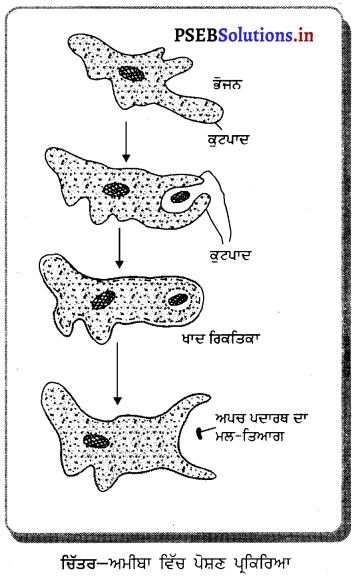
ਅਮੀਬਾ ਵਿਚ ਅੰਤਰਗੋਸ਼ੀ ਪਾਚਨ (intracellular digestion) ਹੁੰਦਾ ਹੈ । ਭੋਜਨ ਦਾ ਪਾਚਨ ਭੋਜਨ ਸਧਾਨੀ (food vacuole) ਵਿੱਚ ਹੁੰਦਾ ਹੈ । ਭੋਜਨ ਪਚਾਣ ਲਈ ਕ੍ਰਿਪਸਿਨ, ਪੇਪਿਸਨ, ਐਮਾਈਲੇਜ਼ ਐਂਜ਼ਾਈਮ ਪਾਏ ਜਾਂਦੇ ਹਨ ।
ਭੋਜਨ ਸਧਾਨੀ ਵਿੱਚ ਪਚਿਆ ਹੋਇਆ ਭੋਜਨ ਐਂਡੋਪਲਾਜ਼ਮ ਵਿਚ ਵਿਸਰਿਤ (Diffuse) ਹੋ ਜਾਂਦਾ ਹੈ । ਬਾਅਦ ਵਿਚ ਪਚਿਆ ਹੋਇਆ ਭੋਜਨ ਸਰੀਰ (Cell) ਦੇ ਅੰਦਰ ਜੀਵ ਦ (ਪ੍ਰੋਟੋਪਲਾਜ਼ਮ) ਵਿਚ ਬਦਲ ਜਾਂਦਾ ਹੈ । ਸਰੀਰ ਵਿਚ ਜੇ ਭੋਜਨ ਦੀ ਵੱਧ ਮਾਤਰਾ ਪਾਈ ਜਾਂਦੀ ਹੈ ਤਾਂ ਗਲਾਈਕੋਜਨ, ਪੈਰਾਮਾਈਲੋਨ ਅਤੇ ਲਿਪਿਡਸ ਆਦਿ ਦੇ ਰੂਪ ਵਿਚ ਸੰਚਿਤ ਕਰ ਲਈ ਜਾਂਦੀ ਹੈ ।
ਇਸ ਵਿਚ ਅਪਚ ਪਦਾਰਥ ਨੂੰ ਬਾਹਰ ਕੱਢਣ ਲਈ ਖ਼ਾਸ ਗੁਦਾ (Anus) ਨਹੀਂ ਹੁੰਦਾ । ਅਪਚ ਭੋਜਨ ਸਰੀਰ ਦੇ ਕਿਸੇ ਵੀ ਸਥਾਨ ਤੋਂ ਬਾਹਰ ਕੱਢ ਦਿੱਤਾ ਜਾਂਦਾ ਹੈ । ਇਸ ਪ੍ਰਕਿਰਿਆ ਨੂੰ ਬਹਿਖੇਪਣ (Egestion) ਕਹਿੰਦੇ ਹਨ ।
ਪ੍ਰਸ਼ਨ 5.
ਹੇਠ ਲਿਖਿਆਂ ਵਿੱਚ ਅੰਤਰ ਲਿਖੋ-
(ਉ) ਸ਼ਾਕਾਹਾਰੀ ਅਤੇ ਮਾਸਾਹਾਰੀ
(ਅ) ਸਵੈਪੋਸ਼ੀ ਅਤੇ ਪਰਪੋਸ਼ੀ ।
ਉੱਤਰ-
(ੳ) ਸ਼ਾਕਾਹਾਰੀ ਅਤੇ ਮਾਸਾਹਾਰੀ-
| ਸ਼ਾਕਾਹਾਰੀ (Herbivore) | ਮਾਸਾਹਾਰੀ (Carnivore) |
| ਉਹ ਜੀਵ ਜੋ ਸਿਰਫ਼ ਪੌਦੇ ਜਾਂ ਪੌਦਿਆਂ ਤੋਂ ਪ੍ਰਾਪਤ ਉਤਪਾਦਾਂ ਨੂੰ ਭੋਜਨ ਦੇ ਰੂਪ ਵਿਚ ਗ੍ਰਹਿਣ ਕਰਦੇ ਹਨ, ਸ਼ਾਕਾਹਾਰੀ ਕਹਾਉਂਦੇ ਹਨ । ਉਦਾਹਰਨ-ਗਾਂ, ਖ਼ਰਗੋਸ਼, ਬੱਕਰੀ ਆਦਿ । |
ਉਹ ਜੀਵ ਜੋ ਆਪਣਾ ਭੋਜਨ ਹੋਰ ਜੀਵਾਂ ਦੇ ਮਾਸ ਤੋਂ ਗ੍ਰਹਿਣ ਕਰਦੇ ਹਨ, ਮਾਸਾਹਾਰੀ ਕਹਾਉਂਦੇ ਹਨ । ਉਦਾਹਰਨ-ਸ਼ੇਰ, ਚੀਤਾ, ਭੇੜੀਆ ਆਦਿ । |
(ਅ) ਸਵੈਪੋਸ਼ੀ ਅਤੇ ਪਰਪੋਸ਼ੀ-
| ਸਵਪੋਸ਼ੀ (Autotrophs) | ਪਰਪੋਸ਼ੀ (Heterotrophs) |
| ਅਜਿਹੇ ਜੀਵ ਜੋ ਪਕਾਸ਼ ਸੰਸਲੇਸ਼ਣ ਦੀ ਕਿਰਿਆ ਦੁਆਰਾ ਸਰਲ ਅਕਾਰਬਨਿਕ ਤੋਂ ਗੁੰਝਲਦਾਰ ਕਾਰਬਨਿਕ ਪਦਾਰਥਾਂ ਦਾ ਨਿਰਮਾਣ ਕਰਕੇ ਆਪਣਾ ਖੁਦ ਪੋਸ਼ਣ ਕਰਦੇ ਹਨ, ਸਵੈਪੋਸ਼ੀ ਜੀਵ (Autotrophs) ਕਹਾਉਂਦੇ ਹਨ । ਉਦਾਹਰਨ- ਸਾਰੇ ਹਰੇ ਪੌਦੇ, ਯੁਗ਼ਲੀਨਾ । |
ਅਜਿਹੇ ਜੀਵ ਜੋ ਕਾਰਬਨਿਕ ਪਦਾਰਥ ਅਤੇ ਉਰਜਾ ਨੂੰ ਆਪਣੇ ਭੋਜਨ ਪਦਾਰਥ ਦੇ ਰੂਪ ਵਿਚ ਹੋਰ ਜੀਵਤ ਜਾਂ ਮ੍ਰਿਤ ਪੌਦਿਆਂ ਜਾਂ ਜੰਤੂਆਂ ਤੋਂ ਗ੍ਰਹਿਣ ਕਰਦੇ ਹਨ, ਪਰਪੇਸ਼ੀ ਜੀਵ (Heterotrophs) ਕਹਾਉਂਦੇ ਹਨ । ਉਦਾਹਰਨ-ਯੁਗਲੀਨਾ ਨੂੰ ਛੱਡ ਕੇ ਸਾਰੇ ਜੰਤੂ, ਅਮਰਬੇਲ, ਜੀਵਾਣੂ, ਕਣਕ ਆਦਿ । |
ਪ੍ਰਸ਼ਨ 6.
ਮਨੁੱਖਾਂ ਵਿੱਚ ਪਾਚਨ ਦੀ ਪ੍ਰਕਿਰਿਆ ਦਾ ਵਿਵਰਣ ਦਿਓ ।
ਜਾਂ
ਅੰਕਿਤ ਚਿੱਤਰ ਦੀ ਸਹਾਇਤਾ ਨਾਲ ਮਨੁੱਖੀ ਆਹਾਰਨਲੀ ਦਾ ਵਰਣਨ ਕਰੋ ।
ਉੱਤਰ-
ਮਨੁੱਖਾਂ ਵਿੱਚ ਪਾਚਨ ਕਿਰਿਆ (digestion in human) – ਮਨੁੱਖ ਵੀ ਪਾਚਨ ਕਿਰਿਆ ਹੇਠ ਲਿਖੇ ਚਰਨਾਂ ਦੇ ਵੱਖ-ਵੱਖ ਅੰਗਾਂ ਵਿਚ ਪੂਰਨ ਹੁੰਦੀ ਹੈ-
(1) ਮੂੰਹਗੁਹਾ ਵਿਚ ਪਾਚਨ (Digestion in Muth Cavity ) – ਮਨੁੱਖ ਮੂੰਹ ਦੇ ਰਸਤੇ ਭੋਜਨ ਪ੍ਰਾਪਤ ਕਰਦਾ ਹੈ । ਮੂੰਹ ਵਿੱਚ ਮੌਜੂਦ ਦੰਦ ਭੋਜਨ ਦੇ ਕਣਾਂ ਨੂੰ ਚਬਾਉਂਦੇ ਹਨ ਜਿਸ ਨਾਲ ਭੋਜਨ ਪਦਾਰਥ ਛੋਟੇ-ਛੋਟੇ ਕਣਾਂ ਵਿੱਚ ਟੁੱਟ ਜਾਂਦਾ ਹੈ ! ਲਾਰ ਰੰਥੀਆਂ (Salivary glands) ਤੋਂ ਨਿਕਲੀ ਲਾਰ ਭੋਜਨ ਵਿਚ ਚੰਗੀ ਤਰ੍ਹਾਂ ਮਿਲ ਜਾਂਦੀ ਹੈ । ਲਾਰ ਵਿਚ ਮੌਜੂਦ ਐਂਜਾਈਮ ਭੋਜਨ ਪਦਾਰਥ ਵਿਚ ਮੌਜੂਦ ਮੰਡ (ਸਟਾਰਚ ਨੂੰ ਸ਼ੱਕਰ ਗਲੁਕੋਜ਼ ਵਿੱਚ ਬਦਲ ਦਿੰਦਾ ਹੈ । ਲਾਰ ਭੋਜਨ ਨੂੰ ਲੇਸਦਾਰ ਚਿਕਨਾ ਅਤੇ ਲੁਗਦੀਦਾਰ ਬਣਾ ਦਿੰਦੀ ਹੈ, ਜਿਸ ਨਾਲ ਭੋਜਨ ਗੁਸਿਕਾ ਵਿਚੋਂ ਹੋ ਕੇ ਸੌਖਿਆ ਮਿਹਦੇ ਵਿਚ ਪੁੱਜ ਜਾਂਦਾ ਹੈ ।
(2) ਮਿਹਦੇ ਵਿਚ ਪਾਚਨ ਕਿਰਿਆ (Digestion in Stomach) – ਜਦੋਂ ਭੋਜਨ ਮਿਹਦੇ ਵਿਚ ਪੁੱਜਦਾ ਹੈ ਤਾਂ ਉੱਥੇ ਭੋਜਨ ਦਾ ਮੰਥਨ ਹੁੰਦਾ ਹੈ ਜਿਸ ਨਾਲ ਭੋਜਨ ਛੋਟੇ-ਛੋਟੇ ਕਣਾਂ ਵਿੱਚ ਟੁੱਟ ਜਾਂਦਾ ਹੈ । ਭੋਜਨ ਵਿਚ ਲਣ ਦਾ ਤੇਜ਼ਾਬ ਮਿਲਦਾ ਹੈ ਜੋ ਮਾਧਿਅਮ ਨੂੰ ਅਮਲੀ ਬਣਾਉਂਦਾ ਹੈ ਅਤੇ ਭੋਜਨ ਨੂੰ ਸੜਨ ਤੋਂ ਰੋਕਦਾ ਹੈ । ਮਿਹਦੇ ਵਿਚ ਪਾਚਕ ਰਸ ਵਿਚ ਮੌਜੂਦ ਐਂਜ਼ਾਈਮ ਪ੍ਰੋਟੀਨ ਨੂੰ ਛੋਟੇ-ਛੋਟੇ ਅਣੂਆਂ ਵਿੱਚ ਤੋੜ ਦਿੰਦਾ ਹੈ ।
(3) ਗ੍ਰਹਿਣੀ ਵਿਚ ਪਾਚਨ (Digestion in duodenum) – ਮਿਹਦੇ ਵਿਚ ਪਾਚਨ ਦੇ ਬਾਅਦ ਜਦੋਂ ਭੋਜਨ ਤ੍ਰਿਣੀ ਵਿਚ ਪੁੱਜਦਾ ਹੈ ਤਾਂ ਜਿਗਰ ਤੋਂ ਆਇਆ ਪਿੱਤ ਰਸ ਭੋਜਨ ਨਾਲ ਅਭਿਕਿਰਿਆ ਕਰਕੇ ਵਸਾ ਦਾ ਪ੍ਰਅਸੀਕਰਨ ਕਰ ਦਿੰਦਾ ਹੈ ਅਤੇ ਮਾਧਿਅਮ ਨੂੰ ਖਾਰੀ ਬਣਾਉਂਦਾ ਹੈ ਜਿਸ ਨਾਲ ਮਿਹਦੇ ਤੋਂ ਆਏ ਪਾਚਕ ਰਸ ਵਿਚ ਮੌਜੂਦ ਐਂਜਾਈਮ ਕਿਰਿਆਸ਼ੀਲ ਹੋ ਜਾਂਦੇ ਹਨ ਅਤੇ ਭੋਜਨ ਵਿਚ ਮੌਜੂਦ ਪ੍ਰੋਟੀਨ, ਕਾਰਬੋਹਾਈਡਰੇਟ ਅਤੇ ਵਸਾ ਦਾ ਪਾਚਨ ਕਰ ਦਿੰਦੇ ਹਨ ।
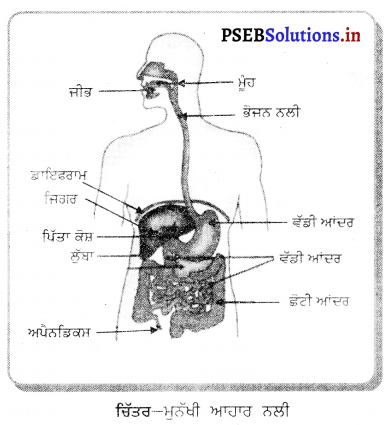
(4) ਛੋਟੀ ਆਂਦਰ ਵਿਚ ਪਾਚਨ (Digestion in Ileum) – ਗ੍ਰਹਿਣੀ ਵਿਚ ਪਾਚਨ ਤੋਂ ਬਾਅਦ ਜਦੋਂ ਛੋਟੀ ਆਂਦਰ ਵਿਚ ਪੁੱਜਦਾ ਹੈ ਤਾਂ ਉੱਥੇ ਆਂਦਰ ਰਸ ਵਿਚ ਮੌਜੂਦ ਐਂਜਾਈਮ ਬਚੇ ਹੋਏ ਅਪਚਿਤ ਪ੍ਰੋਟੀਨ, ਕਾਰਬੋਹਾਈਡਰੇਟ ਅਤੇ ਵਸਾ ਦਾ ਪਾਚਨ ਕਰ ਦਿੰਦੇ ਹਨ । ਆਸਤਰ ਦੀ ਵਿਲਾਈ ਦੁਆਰਾ ਪਚੇ ਹੋਏ ਭੋਜਨ ਦਾ ਅਵਸ਼ੋਸ਼ਣ ਕਰ ਲਿਆ ਜਾਂਦਾ ਹੈ ਅਤੇ ਅਵਸ਼ੋਸ਼ਿਤ ਭੋਜਨ ਲਹੂ ਵਿਚ ਪਹੁੰਚਾ ਦਿੱਤਾ ਜਾਂਦਾ ਹੈ ।
(5) ਵੱਡੀ ਆਂਦਰ (ਮਲਾਸ਼ਿਆ) ਵਿਚ ਪਾਚਨ (Digestion in Rectu) – ਛੋਟੀ ਆਂਦਰ ਵਿਚ ਭੋਜਨ ਦੇ ਪਾਚਨ ਅਤੇ ਅਵਸ਼ੋਸ਼ਨ ਦੇ ਬਾਅਦ ਜਦੋਂ ਭੋਜਨ ਵੱਡੀ ਆਂਦਰ ਵਿਚ ਪੁੱਜਦਾ ਹੈ ਤਾਂ ਉੱਥੇ ਵਾਧੂ ਪਾਣੀ ਦਾ ਅਵਸ਼ੋਸ਼ਨ ਕਰ ਲਿਆ ਜਾਂਦਾ ਹੈ, ਵੱਡੀ ਆਂਦਰ ਵਿਚ ਭੋਜਨ ਦਾ ਪਾਚਨ ਨਹੀਂ ਹੁੰਦਾ । ਭੋਜਨ ਦਾ ਅਪਸ਼ਿਸ਼ਟ ਭਾਗ ਇੱਥੇ ਇਕੱਠਾ ਹੁੰਦਾ ਰਹਿੰਦਾ ਹੈ ਅਤੇ ਸਮੇਂ-ਸਮੇਂ ਤੇ ਮਲ ਦੁਆਰਾ . ਸਰੀਰ ਵਿਚੋਂ ਬਾਹਰ ਕੱਢ ਲਿਆ ਜਾਂਦਾ ਹੈ ।
ਪ੍ਰਸ਼ਨ 7.
ਸਟੋਮੈਟਾ ਦੇ ਖੁੱਲ੍ਹਣ ਅਤੇ ਬੰਦ ਹੋਣ ਦੀ ਪ੍ਰਕਿਰਿਆ ਦਾ ਚਿੱਤਰ ਸਹਿਤ ਵਰਣਨ ਕਰੋ ।
ਉੱਤਰ-
ਸਟੋਮੈਟਾ ਦਾ ਖੁੱਲ੍ਹਣਾ ਅਤੇ ਬੰਦ ਹੋਣਾ ਗਾਰਡ ਸੈੱਲਾਂ ਦੀ ਕਿਰਿਆਸ਼ੀਲਤਾ ‘ਤੇ ਨਿਰਭਰ ਕਰਦਾ ਹੈ । ਇਸਦੀ ਸੈੱਲ ਕੰਪ ਅਸਮਾਨ ਮੋਟਾਈ ਦੀ ਹੁੰਦੀ ਹੈ । ਜਦੋਂ ਇਹ ਸੈੱਲ ਫੈਲੀ ਹੋਈ ਦਸ਼ਾ ਵਿਚ ਹੁੰਦੇ ਹਨ ਤਾਂ ਛੇਦ ਖੁੱਲਦਾ ਹੈ ਅਤੇ ਇਸਦੇ ਢਿੱਲੇ ਹੋ ਜਾਣ ਤੇ ਇਹ ਬੰਦ ਹੋ ਜਾਂਦਾ ਹੈ । ਅਜਿਹਾ ਇਸ ਲਈ ਹੁੰਦਾ ਹੈ ਕਿਉਂਕਿ ਦਵਾਰ ਗਾਰਡਸੈਂਲ ਆਸ-ਪਾਸ ਦੇ ਸੈੱਲਾਂ ਵਿਚੋਂ ਪਾਣੀ ਨੂੰ ਅਵਸ਼ੋਸ਼ਿਤ ਕਰ ਫੈਲ ਜਾਂਦੇ ਹਨ । ਇਸ ਅਵਸਥਾ ਵਿਚ ਗਾਰਡ ਸੈੱਲਾਂ ਵਿੱਚ ਪਤਲੀ ਛਿੱਤੀ ਫੈਲਦੀ ਹੈ, ਜਿਸ ਕਾਰਨ ਛੇਦ ਦੇ ਨੇੜੇ ਮੋਟੀ ਕਿੱਤੀ ਬਾਹਰ ਵੱਲ ਖਿੱਚੀ ਜਾਂਦੀ ਹੈ । ਨਤੀਜੇ ਵਜੋਂ ਸਟੋਮੈਟਾ ਖੁੱਲ ਜਾਂਦਾ ਹੈ । ਜਦੋਂ ਇਸ ਵਿਚ ਪਾਣੀ ਦੀ ਕਮੀ ਹੋ ਜਾਂਦੀ ਹੈ ਤਾਂ ਤਨਾਵ ਮੁਕਤ ਭਿੱਤੀ ਮੁੜ ਆਪਣੀ ਪੁਰਾਣੀ ਅਵਸਥਾ ਵਿਚ ਆ ਜਾਂਦੀ ਹੈ, ਨਤੀਜੇ ਵਜੋਂ ਛੇਦ ਬੰਦ ਹੋ ਜਾਂਦਾ ਹੈ ।
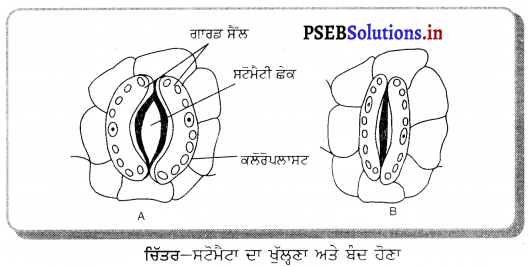
ਪ੍ਰਕਾਸ਼ ਸੰਸ਼ਲੇਸ਼ਣ ਦੌਰਾਨ ਪੱਤਿਆਂ ਵਿਚ ਕਾਰਬਨ-ਡਾਈਆਕਸਾਈਡ ਦਾ ਪੱਧਰ ਡਿਗਦਾ ਹੈ ਅਤੇ ਸ਼ਕਰ ਦਾ ਪੱਧਰ ਗਾਰਡ ਸੈੱਲਾਂ ਦੇ ਸਾਈਟੋਪਲਾਸਜ਼ ਵਿਚ ਵੱਧਦਾ ਜਾਂਦਾ ਹੈ । ਨਤੀਜੇ ਵਜੋਂ ਪਰਾਸਰਵ ਦਾਬ ਅਤੇ ਸਫੀਤੀ ਦਾਬ ਵਿਚ ਪਰਿਵਰਤਨ ਆ ਜਾਂਦਾ ਹੈ । ਇਸ ਨਾਲ ਗਾਰਡ ਸੈੱਲਾਂ ਵਿੱਚ ਇੱਕ ਕਸਾਵ ਆ ਜਾਂਦਾ ਹੈ ਜਿਸ ਨਾਲ ਬਾਹਰ ਦੀ ਵਿੱਤੀ ਬਾਹਰ ਵੱਲ ਖਿੱਚਦੀ ਹੈ । ਇਸ ਨਾਲ ਅੰਦਰ ਦੀ ਭਿੱਤੀ ਵੀ ਖਿੱਚੀ ਜਾਂਦੀ ਹੈ । ਇਸ ਪ੍ਰਕਾਰ ਸਟੋਮੈਟਾ ਖੁੱਲ੍ਹ ਜਾਂਦਾ ਹੈ ।
ਹਨੇਰੇ ਵਿੱਚ ਸ਼ਕਰ ਸਟਾਰਚ ਵਿਚ ਬਦਲ ਜਾਂਦੀ ਹੈ ਜੋ ਕਿ ਅਘੁਲਣਸ਼ੀਲ ਹੁੰਦੀ ਹੈ । ਗਾਰਡ ਸੈੱਲ ਦੇ ਸਾਈਟੋਪਲਾਸਪ ਵਿਚ ਸ਼ਕਰ ਦਾ ਪੱਧਰ ਡਿਗ ਜਾਂਦਾ ਹੈ । ਇਸ ਨਾਲ ਰੱਖਿਅਕ ਕੋਸ਼ਿਕਾਵਾਂ ਢਿੱਲੀਆਂ ਪੈ ਜਾਂਦੀਆਂ ਹਨ । ਇਸ ਨਾਲ ਸਟੋਮੈਟਾ ਬੰਦ ਹੋ ਜਾਂਦਾ ਹੈ ।
ਪ੍ਰਸ਼ਨ 8.
ਮਨੁੱਖੀ ਦਿਲ ਦੀ ਅੰਦਰੂਨੀ ਰਚਨਾ ਦਰਸਾਉਂਦਾ ਅੰਕਿਤ ਚਿੱਤਰ ਬਣਾਓ ।
ਉੱਤਰ-
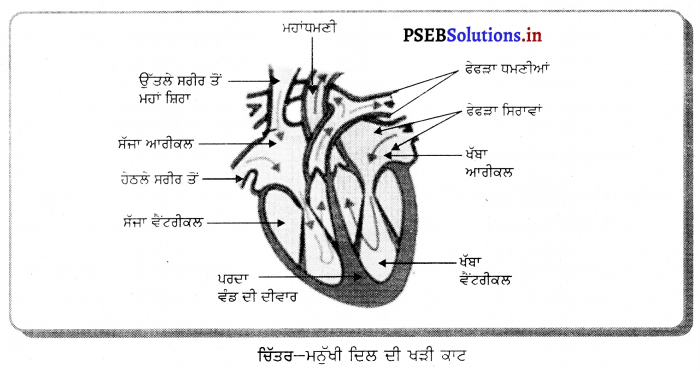
ਸੰਰਚਨਾ – ਮਨੁੱਖ ਦਾ ਦਿਲ ਚਾਰ ਹਿੱਸਿਆਂ ਵਿੱਚ ਵੰਡਿਆ ਹੁੰਦਾ ਹੈ | ਅਗਲੇ ਦੋ ਭਾਗ ਆਰੀਕਲ (auricle) ਕਹਾਉਂਦੇ ਹਨ । ਇਨ੍ਹਾਂ ਵਿੱਚ ਇੱਕ ਖੱਬਾ ਆਰੀਕਲ ਅਤੇ ਇੱਕ ਸੱਜਾ ਆਰੀਕਲ ਹੁੰਦਾ ਹੈ । ਪਿਛਲੇ ਦੋ ਭਾਗ ਵੈਂਟਰੀਕਲ (Ventricle) ਕਹਾਉਂਦੇ ਹਨ । ਇਨ੍ਹਾਂ ਵਿੱਚ ਇਕ ਖੱਬਾ ਵੈਂਟਰੀਕਲ ਅਤੇ ਇਕ ਸੱਜਾ ਵੈਂਟਰੀਕਲ ਹੁੰਦਾ ਹੈ । ਖੱਬੇ ਆਰੀਕਲ ਅਤੇ ਖੱਬੇ ਵੈਂਟਰੀਕਲ ਦੇ ਵਿਚਕਾਰ ਦੇਵਲਨੀ ਕਪਾਟ (Bicuspid value) ਅਤੇ ਸੱਜੇ ਆਰੀਕਲ ਅਤੇ ਸੱਜੇ ਕੈਂਟਰੀਕਲ ਵਿਚਕਾਰ ਤਿੰਨਵਨੀ ਕਪਾਟ (tricuspid value) ਹੁੰਦੇ ਹਨ । ਇਹ ਵਾਲਵ ਵੈਟਰੀਕਲ ਵੱਲ ਖੁੱਲ੍ਹਦੇ ਹਨ । ਖੱਬੇ ਕੈਂਟਰੀਕਲ ਦਾ ਸੰਬੰਧ ਅਰਧ ਚੰਦਰਾਕਾਰ ਵਾਲਵ (Semilunar value) ਰਾਹੀਂ ਮਹਾਂਧਮਨੀ (Aorta) ਨਾਲ ਅਤੇ ਸੱਜੇ ਕੈਂਟਰੀਕਲ ਦਾ ਸੰਬੰਧ ਅਰਧ ਚੰਦਰਾਕਾਰ ਕਪਾਟ ਰਾਹੀਂ ਫੇਫੜਾ ਧਮਨੀ ਨਾਲ ਹੁੰਦਾ ਹੈ । ਸੱਜੇ ਆਰੀਕਲ ਨਾਲ ਮਹਾਂਸ਼ਿਰਾ (Vena cava) ਆ ਕੇ ਮਿਲਦੀ ਹੈ ਅਤੇ ਖੱਬੇ ਆਰੀਕਲ ਨਾਲ ਫੇਫੜਾ ਸ਼ਿਰਾ ਆ ਕੇ ਮਿਲਦੀ ਹੈ ।
ਦਿਲ ਦੀ ਕਿਰਿਆਵਿਧੀ – ਦਿਲ ਦੇ ਆਰੀਕਲ ਅਤੇ ਵੈਂਟਰੀਕਲ ਵਿਚ ਸੰਕੁਚਨ (Systole) ਅਤੇ ਸ਼ਿਥਿਲਨ (Diastole) ਦੋਵੇਂ ਕਿਰਿਆਵਾਂ ਹੁੰਦੀਆਂ ਹਨ । ਇਹ ਕਿਰਿਆਵਾਂ ਇਕ ਨਿਸਚਿਤ ਕੂਮ ਵਿਚ ਲਗਾਤਾਰ ਹੁੰਦੀ ਹੈ । ਦਿਲ ਦੀ ਇੱਕ ਧੜਕਨ ਜਾਂ ਸਪੰਦਨ ਦੇ ਨਾਲ ਇੱਕ ਕਾਰਡੀਅਨ ਚੱਕਰ (Cardiac cycle) ਪੂਰਾ ਹੁੰਦਾ ਹੈ । ਇੱਕ ਚੱਕਰ ਵਿੱਚ ਹੇਠ ਲਿਖੀਆਂ ਚਾਰ ਅਵਸਥਾਵਾਂ ਹੁੰਦੀਆਂ ਹਨ-
- ਸ਼ਿਥਿਲਨ (Diastole) – ਇਸ ਅਵਸਥਾ ਵਿੱਚ ਦੋਵੇਂ ਆਰੀਕਲ ਸ਼ਿਥਿਲਨ ਅਵਸਥਾ ਵਿਚ ਰਹਿੰਦੇ ਹਨ ਅਤੇ ਲਹੁ ਦੋਹਾਂ ਆਰੀਕਲਾਂ ਵਿੱਚ ਇਕੱਠਾ ਹੁੰਦਾ ਹੈ ।
- ਆਰੀਕਲ ਸੰਕੁਚਨ – ਆਰੀਕਲਾ ਦੇ ਸੰਕੁਚਿਤ ਹੋਣ ਨੂੰ ਆਰੀਕਲ ਸੰਕੁਚਨ ਕਹਿੰਦੇ ਹਨ । ਇਸ ਅਵਸਥਾ ਵਿੱਚ ਆਰੀਕਲ ਕੈਂਟਰੀਕਲ ਕਪਾਟ ਖੁੱਲ੍ਹ ਜਾਂਦੇ ਹਨ ਅਤੇ ਆਰੀਕਲਾਂ ਵਿਚ ਲਹੂ ਵੈਂਟਰੀਕਲ ਵਿਚ ਜਾਂਦਾ ਹੈ । ਸੱਜਾ ਆਰੀਕਲ ਸਦਾ ਹੀ ਖੱਬੇ ਆਰੀਕਲ ਤੋਂ ਕੁੱਝ ਪਹਿਲਾਂ ਸੰਕੁਚਿਤ ਹੁੰਦਾ ਹੈ ।
- ਕੈਂਟਰੀਕਲ ਸੰਕੁਚਨ – ਵੈਂਟਰੀਕਲਾਂ ਦੇ ਸੰਕੁਚਨ ਨੂੰ ਵੈਂਟਰੀਕਲ ਸੰਕੁਚਨ ਕਹਿੰਦੇ ਹਨ, ਜਿਸਦੇ ਨਤੀਜੇ ਵਜੋਂ, ਆਰੀਕਲ ਕੈਂਟਰੀਕਲ ਕਪਾਟ ਬੰਦ ਹੋ ਜਾਂਦੇ ਹਨ ਅਤੇ ਮਹਾਂਧਮਨੀਆਂ ਦੇ ਅਰਧ ਚੰਦਰਾਕਾਰ ਕਪਾਟ ਖੁੱਲ ਜਾਂਦੇ ਹਨ ਅਤੇ ਹੁ ਮਹਾਂਧਮਨੀਆਂ ਵਿਚ ਚਲਿਆ ਜਾਂਦਾ ਹੈ ।
- ਵੈਂਟਰੀਕਲ ਸ਼ਿਥਿਲਨ – ਸੰਕੁਚਨ ਦੇ ਬਾਅਦ ਵੈਂਟਰੀਕਲਾਂ ਵਿਚ ਸ਼ਿਥਲਿਨ ਹੁੰਦਾ ਹੈ ਅਤੇ ਅਰਧ ਚੰਦਰਾਕਾਰ ਕਪਾਟ ਬੰਦ ਹੋ ਜਾਂਦੇ ਹਨ । ਵੈਂਟਰੀਕਲਾਂ ਦੇ ਅੰਦਰ ਲਹੂ ਦਾਬ ਘੱਟ ਹੋ ਜਾਂਦਾ ਹੈ ਜਿਸ ਨਾਲ ਆਰੀਕਲ ਕੈਂਟਰੀਕਲ ਕਪਾਟ ਖੁੱਲ ਜਾਂਦੇ ਹਨ ।
ਪ੍ਰਸ਼ਨ 9.
ਲਹੂ ਕੀ ਹੈ ? ਇਸਦੇ ਸੰਘਟਨ ਦਾ ਵਰਣਨ ਕਰੋ ।
ਉੱਤਰ-
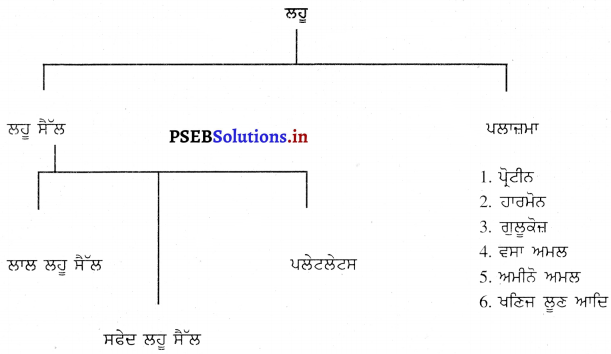
ਲਹੂ (Blood) – ਮਨੁੱਖ ਸਰੀਰ ਵਿਚ ਭੋਜਨ, ਆਕਸੀਜਨ, ਹਾਰਮੋਨ, ਮਲ-ਤਿਆਗ ਯੋਗ ਅਵਸ਼ਿਸ਼ਟ ਪਦਾਰਥ ਆਦਿ ਲੋਹੂ ਦੇ ਮਾਧਿਅਮ ਨਾਲ ਗਤੀ ਕਰਦੇ ਰਹਿੰਦੇ ਹਨ । ਸਰੀਰ ਵਿਚ ਕੁੱਲ ਭਾਰ ਦਾ ਲਗਭਗ ਬਾਹਰਵਾਂ ਹਿੱਸਾ ਹੁੰਦਾ ਹੈ ।
ਇਹ ਇੱਕ ਪ੍ਰਕਾਰ ਦਾ ਤਰਲ ਸੰਯੋਜੀ ਟਿਸ਼ੂ (connective tissue) ਹੈ ਜੋ ਕਿ ਹੇਠ ਲਿਖੇ ਘਟਕਾਂ ਨਾਲ ਮਿਲ ਕੇ ਬਣਿਆ ਹੁੰਦਾ ਹੈ-
- ਲਾਲ ਲਹੂ ਸੈੱਲ (R.B.C.) – ਇਨ੍ਹਾਂ ਵਿੱਚ ਹਿਮੋਗਲੋਬਿਨ ਨਾਮ ਦਾ ਪ੍ਰੋਟੀਨ ਹੁੰਦਾ ਹੈ ਜੋ ਸਾਹ ਕਿਰਿਆ ਵਿਚ ਆਕਸੀਜਨ ਅਤੇ ਕਾਰਬਨ-ਡਾਈਆਕਸਾਈਡ ਦਾ ਪਰਿਵਹਿਨ ਕਰਦਾ ਹੈ ।
- ਸਫੇਦ ਲਹੂ ਸੈੱਲ (W.B.C.) – ਇਹ ਹਾਨੀਕਾਰਕ ਬੈਕਟੀਰੀਆ ਅਤੇ ਮ੍ਰਿਤ ਸੈੱਲਾਂ ਨੂੰ ਹਜ਼ਮ ਕਰਕੇ ਉਨ੍ਹਾਂ ਨੂੰ ਨਸ਼ਟ ਕਰ ਦਿੰਦੀਆਂ ਹਨ ਅਤੇ ਸੰਕਰਮਣ ਅਤੇ ਆਘਾਤਾਂ ਤੋਂ ਸਰੀਰ ਦੀ ਰੱਖਿਆ ਕਰਦੀਆਂ ਹਨ ।
- ਪਲੇਟਲੇਟਸ (Platelets) – ਇਹ ਲਹੂ ਦਾ ਥੱਕਾ ਜੰਮਣ ਵਿਚ ਸਹਾਇਤਾ ਕਰਦੀਆਂ ਹਨ । ਇਸ ਤਰ੍ਹਾਂ ਅਨਮੋਲ ਲਹੂ ਨੂੰ ਨਸ਼ਟ ਹੋਣ ਤੋਂ ਰੋਕਦੀ ਹੈ ।
- ਪਲਾਜ਼ਮਾ (Plasma) – ਇਹ ਲਹੂ ਦਾ ਵੀ ਭਾਗ ਹੈ ਜਿਸ ਵਿਚ ਪ੍ਰੋਟੀਨ, ਹਾਰਮੋਨਜ਼, ਗੁਲੂਕੋਜ਼, ਵਸੀ (ਫੈਟੀ) ਅਮਲ, ਅਮੀਨੋ ਅਮਲ, ਖਣਿਜ ਲੂਣ, ਭੋਜਨ ਦੇ ਪਚਣਯੋਗ ਭਾਗ ਅਤੇ ਉਤਸਰਜੀ ਪਦਾਰਥ ਹੁੰਦੇ ਹਨ । ਇਹ ਲਹੂ ਦੇ ਪਰਿਵਹਿਨ ਦਾ ਮੁੱਖ ਮਾਧਿਅਮ ਹੈ । ਇਹ ਲਹੂ ਦਾ 2/3 ਭਾਗ ਬਣਾਉਂਦਾ ਹੈ ।
ਪ੍ਰਸ਼ਨ 10.
ਮਨੁੱਖੀ ਸੁਆਸ ਪ੍ਰਣਾਲੀ ਦਾ ਸਚਿੱਤਰ ਵਰਣਨ ਕਰੋ ।
ਉੱਤਰ-
ਮਨੁੱਖ ਦੀ ਸੁਆਸ ਪ੍ਰਣਾਲੀ ਦਾ ਕਾਰਜ ਸ਼ੁੱਧ ਹਵਾ ਨੂੰ ਸਰੀਰ ਦੇ ਅੰਦਰ ਭੋਜਨ ਅਤੇ ਅਸ਼ੁੱਧ ਹਵਾ ਨੂੰ ਬਾਹਰ ਕੱਢਦਾ ਹੈ । ਇਸ ਦੇ ਮੁੱਖ ਭਾਗ ਹੇਠ ਲਿਖੇ ਹਨ-
(i) ਨਾਸਦਵਾਰ ਜਾਂ ਨਾਸਹਾ – ਨਾਸਦਵਾਰ ਰਾਹੀਂ ਹਵਾ ਸਰੀਰ ਵਿੱਚ ਪ੍ਰਵੇਸ਼ ਕਰਦੀ ਹੈ । ਨੱਕ ਵਿੱਚ ਛੋਟੇ-ਛੋਟੇ ਅਤੇ ਬਾਰੀਕ ਵਾਲ ਹੁੰਦੇ ਹਨ । ਜਿਨ੍ਹਾਂ ਵਿੱਚੋਂ ਹਵਾ ਛਣ ਕੇ ਜਾਂਦੀ ਹੈ । ਹਵਾ ਵਿਚਲੀ ਧੂਲ ਉਨ੍ਹਾਂ ਦੇ ਸਪਰਸ਼ ਵਿਚ ਆ ਕੇ ਉੱਥੇ ਹੀ ਰੁਕ ਜਾਂਦੀ ਹੈ । ਇਸ ਰਸਤੇ ਵਿਚ ਮਿਊਕਸ ਦੀ ਪਰਤ ਇਸ ਕਾਰਜ ਵਿਚ ਸਹਾਇਤਾ ਕਰਦੀ ਹੈ । ਹਵਾ ਨਮ ਹੋ ਜਾਂਦੀ ਹੈ ।
(ii) ਗ੍ਰਸ਼ਨੀ – ਗ੍ਰਸ਼ਨੀ ਗਲਾਂਟਿਸ ਨਾਮ ਦੇ ਛੇਦ ਤੋਂ ਸਾਹ ਨਲੀ ਵਿੱਚ ਖੁੱਲ੍ਹਦੀ ਹੈ । ਜਦੋਂ ਅਸੀਂ ਭੋਜਨ ਕਰਦੇ ਹਾਂ ਤਾਂ ਗਲਾਟਿਸ ਚਮੜੀ ਦੇ ਇੱਕ ਉਪ-ਅਸਥੀ ਯੁਕਤ ਕਪਾਟ ਐਪੀਗਲਾਟਿਸ ਨਾਲ ਢੱਕਿਆ ਰਹਿੰਦਾ ਹੈ ।
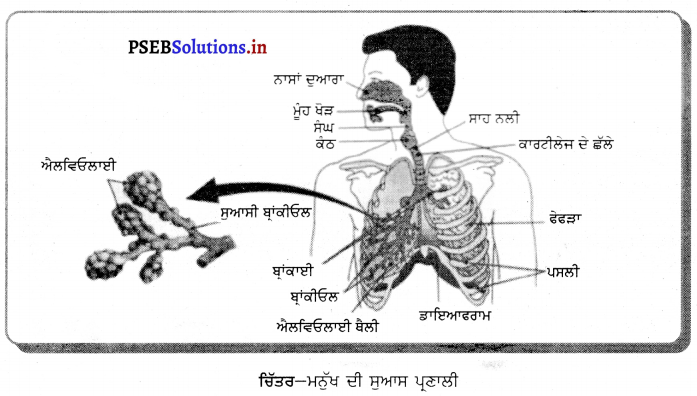
(iii) ਸਾਹ ਨਲੀ – ਉਪਅਸਥੀ ਤੋਂ ਬਣੀ ਹੋਈ ਸੁਆਸ ਪ੍ਰਣਾਲੀ ਨਲੀ ਗਰਦਨ ਤੋਂ ਹੇਠਾਂ ਆ ਕੇ ਸ਼ਵਸਨੀ ਬਣਾਉਂਦੀ ਹੈ । ਇਹ ਵਲਯਾ ਤੋਂ ਬਣੀ ਹੁੰਦੀ ਹੈ ਜੋ ਯਕੀਨੀ ਕਰਦੀ ਹੈ ਕਿ ਹਵਾ ਦੇ ਰਾਹ ਵਿਚ ਰੁਕਾਵਟ ਪੈਦਾ ਨਾ ਹੋਵੇ ।
(iv) ਫੇਫੜੇ – ਫੇਫੜੇ ਦੇ ਅੰਦਰ ਰਸਤਾ ਛੋਟੀਆਂ-ਛੋਟੀਆਂ ਨਲੀਕਾਵਾਂ ਵਿੱਚ ਵੰਡਿਆ ਜਾਂਦਾ ਹੈ । ਜੋ ਗੁਬਾਰੇ ਵਰਗੀਆਂ ਰਚਨਾਵਾਂ ਵਿਚ ਬਦਲ ਜਾਂਦਾ ਹੈ । ਇਸ ਨੂੰ ਐਲਵਿਓਲਾਈ ਕਹਿੰਦੇ ਹਨ ! ਐਲਵਿਓਲਾਈ ਇੱਕ ਸਤਹਿ ਉਪਲੱਬਧ ਕਰਾਉਂਦੀ ਹੈ ਜਿਸ ਵਿੱਚ ਗੈਸਾਂ ਦਾ ਵਿਨਿਯ ਹੋ ਸਕਦਾ ਹੈ । ਐਲਵਿਓਲਾਈ ਦੀ ਭਿੱਤੀ ਵਿਚ ਲਹੂ ਵਹਿਕਾਵਾਂ ਦਾ ਫੈਲਿਆ ਹੋਇਆ ਜਾਲ ਹੁੰਦਾ ਹੈ ।
ਕਾਰਜ – ਜਦੋਂ ਅਸੀਂ ਸੁਆਸ ਅੰਦਰ ਲੈਂਦੇ ਹਾਂ, ਸਾਡੀਆਂ ਪਸਲੀਆਂ ਉੱਪਰ ਉੱਠਦੀਆਂ ਹਨ ਅਤੇ ਸਾਡਾ ਡਾਇਆਫਰਾਮ ਚਪਟਾ ਹੋ ਜਾਂਦਾ ਹੈ । ਇਸ ਨਾਲ ਛਾਤੀ ਦੀ ਗੁਹਾ ਵੱਡੀ ਹੋ ਜਾਂਦੀ ਹੈ ਅਤੇ ਹਵਾ ਫੇਫੜਿਆਂ ਦੇ ਅੰਦਰ ਸੋਖ ਲਈ ਜਾਂਦੀ ਹੈ । ਇਹ ਵਿਸਤ੍ਰਿਤ ਐਲਵਿਓਲਾਈ ਨੂੰ ਢੱਕ ਲੈਂਦੀ ਹੈ । ਲਹੁ ਬਾਕੀ ਸਰੀਰ ਵਿਚ ਕਾਰਬਨ-ਡਾਈਆਕਸਾਈਡ ਐਲਵਿਓਲਾਈ ਵਿਚ ਛੱਡਣ ਲਈ ਲਿਆਉਂਦਾ ਹੈ । ਐਲਵਿਓਲਾਈ ਲਹੂ ਵਹਿਕਾ ਦਾ ਲਹੂ ਪਿਕਾ ਹਵਾ ਤੋਂ ਆਕਸੀਜਨ ਲੈ ਕੇ ਸਰੀਰ ਦੇ ਸਾਰੇ ਸੈੱਲਾਂ ਤੱਕ ਪਹੁੰਚਦਾ ਹੈ । ਮਾਹ ਚੱਕਰ ਦੇ ਸਮੇਂ ਜਦੋਂ ਹਵਾ ਅੰਦਰ ਅਤੇ ਬਾਹਰ ਹੁੰਦੀ ਹੈ, ਫੇਫੜੇ ਸਦੈਵ ਹਵਾ ਦਾ ਵਿਸ਼ੇਸ਼ ਆਇਤਨ ਰੱਖਦੇ ਹਨ ਜਿਸ ਨਾਲ ਆਕਸੀਜਨ ਦੇ ਸੋਖਣ ਅਤੇ ਕਾਰਬਨ-ਡਾਈਆਕਸਾਈਡ ਦੇ ਮੋਚਨ ਦੇ ਲਈ ਕਾਫੀ ਸਮਾਂ ਮਿਲ ਜਾਂਦਾ ਹੈ ।
ਪ੍ਰਸ਼ਨ 11.
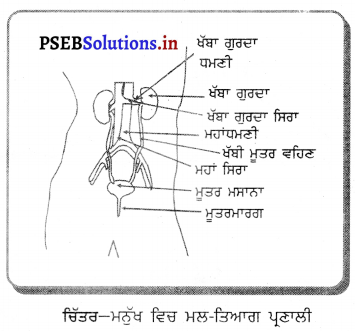
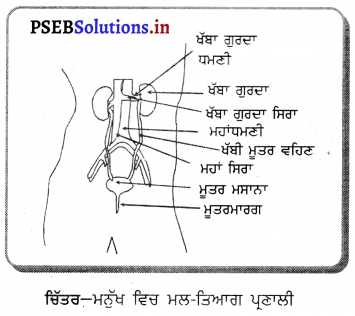
ਮਨੁੱਖ ਦੀ ਮਲ-ਤਿਆਗ ਪ੍ਰਣਾਲੀ ਦਾ ਸਚਿੱਤਰ ਵਰਣਨ ਕਰੋ ।
ਉੱਤਰ-
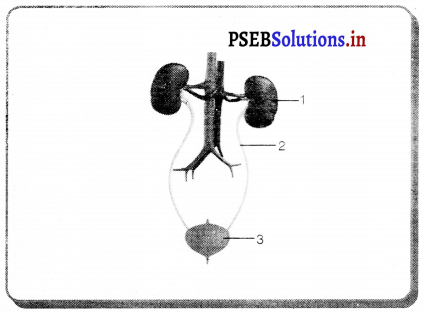
ਗੁਰਦੇ ਅਤੇ ਇਸਦੇ ਅਨੇਕ ਸਹਾਇਕ ਅੰਗ ਮਨੁੱਖ ਦੇ ਮਲ-ਤਿਆਗ ਪ੍ਰਣਾਲੀ (Excretory system) ਕਹਿੰਦੇ ਹਨ ।
ਗੁਰਦਾ ਮਲ-ਤਿਆਗ ਪ੍ਰਣਾਲੀ ਦਾ ਮੁੱਖ ਅੰਗ ਹੈ ਜੋ ਸਿਰਫ਼ ਉਤਸਰਜੀ ਪਦਾਰਥਾਂ ਨੂੰ ਉਪਯੋਗੀ ਪਦਾਰਥਾਂ ਤੋਂ ਛਾਣ ਕੇ ਅਲੱਗ ਕਰ ਦਿੰਦਾ ਹੈ । ਗੁਰਦਾ (kidney) ਭੂਰੇ ਰੰਗ ਦਾ, ਸੇਮ ਦੇ ਬੀਜ ਦੇ ਆਕਾਰ (Bean shaped) ਦੀਆਂ ਸੰਰਚਨਾਵਾਂ ਹਨ, ਜੋ ਕਿ ਉੱਦਰਗੁਹਾ (Abdomen) ਵਿੱਚ ਰੀੜ੍ਹ ਦੀ ਹੱਡੀ ਦੇ ਦੋਵੇਂ ਪਾਸੇ ਹੁੰਦੀ ਹੈ । ਹਰ ਗੁਰਦਾ ਲਗਭਗ 10 ਸੈਂ. ਮੀ. ਲੰਬਾ, 6 ਸੈਂ. ਮੀ. ਚੌੜਾ ਅਤੇ 2.5 ਸੈਂ. ਮੀ. ਮੋਟਾ ਹੁੰਦਾ ਹੈ । ਜਿਗਰ ਦੀ ਵਜ੍ਹਾ ਨਾਲ
ਮੂਤਰ ਮਸਾਨਾ ਸੱਜਾ ਬਾਹਰੀ ਕਿਨਾਰਾ ਉਭਰਿਆ (Convex) ਹੁੰਦਾ ਹੈ ਜਦੋਂ ਕਿ ਅੰਦਰਲਾ ਕਿਨਾਰਾ ਧਸਿਆ (Concave) ਹੁੰਦਾ ਹੈ ਜਿਸ ਨੂੰ ਹਾਈਲਮ (Hilum) ਕਹਿੰਦੇ ਹਨ ਅਤੇ ਇਸ ਵਿੱਚੋਂ ਮੂਤਰ ਨਲਿਕਾ (Ureter) ਨਿਕਲਦੀ ਹੈ । ਮਲ ਨਕਾ ਜਾ ਕੇ ਇਕ ਪੇਸ਼ੀ ਥੈਲੇ ਵਰਗੀ ਸੰਰਚਨਾ ਵਿਚ ਖੁੱਲ੍ਹਦੀ ਹੈ ਜਿਸ ਨੂੰ ਮੂਤਰ ਮਸਾਨਾ (Urinary bladder) ਕਹਿੰਦੇ ਹਨ ।
ਛੋਟੇ ਉੱਤਰਾਂ ਵਾਲੇ ਪ੍ਰਸ਼ਨ (Short Answer Type Questions)
ਪ੍ਰਸ਼ਨ 1.
ਪੋਸ਼ਣ ਦੀ ਪਰਿਭਾਸ਼ਾ ਦਿਓ । ਪੋਸ਼ਣ ਦੀਆਂ ਭਿੰਨ ਵਿਧੀਆਂ ਕਿਹੜੀਆਂ ਹਨ ?
ਉੱਤਰ-
ਪੋਸ਼ਣ (Nutrition) – ਉਹ ਪ੍ਰਮ ਜਿਸ ਦੁਆਰਾ ਜੀਵਧਾਰੀ ਬਾਹਰੀ ਵਾਤਾਵਰਨ ਤੋਂ ਭੋਜਨ ਹਿਣ ਕਰਦੇ ਹਨ ਅਤੇ ਭੋਜਨ ਪਦਾਰਥ ਤੋਂ ਉਰਜਾ ਮੁਕਤ ਕਰਕੇ ਸਰੀਰ ਦਾ ਵਾਧਾ ਕਰਦੇ ਹਨ, ਉਸਨੂੰ ਪੋਸ਼ਣ (Nutrition) ਕਹਿੰਦੇ ਹਨ ।
ਪੋਸ਼ਣ ਦੀਆਂ ਵਿਧੀਆਂ – ਜੀਵਾਂ ਵਿਚ ਪੋਸ਼ਣ ਦੀਆਂ ਦੋ ਵਿਧੀਆਂ ਹਨ-
- ਸਵੈਪੋਸ਼ੀ (Autotrophic nutrition)
- ਪਰਪੋਸ਼ੀ ਜਾਂ ਵਿਖਮਪੋਸ਼ੀ (Heterotrophic nutrition) ।
ਪਰਪੋਸ਼ੀ ਪੋਸ਼ਣ ਹੇਠ ਲਿਖੇ ਤਿੰਨ ਪ੍ਰਕਾਰ ਦੇ ਹੁੰਦੇ ਹਨ-
- ਮਿਤਜੀਵੀ ਪੋਸ਼ਣ (Aaprophytic nutrition)
- ਪਰਜੀਵੀ ਪੋਸ਼ਣ (Parasitic nutrition)
- ਪ੍ਰਾਣੀ ਸਮਭੋਜੀ ਪੋਸ਼ਣ (Holozoic nutrition) ।
ਪ੍ਰਸ਼ਨ 2.
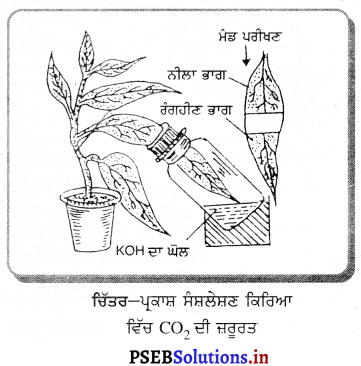
ਪ੍ਰਯੋਗ ਦੁਆਰਾ ਸਿੱਧ ਕਰੋ ਕਿ ਪ੍ਰਕਾਸ਼ ਸੰਸ਼ਲੇਸ਼ਣ ਦੇ ਲਈ CO2 ਜ਼ਰੂਰੀ ਹੈ ।
ਉੱਤਰ-
ਉਪਕਰਨ-ਗਮਲੇ ਵਿਚ ਲੱਗਾ ਪੌਦਾ, KOH ਦੇ ਘੋਲ ਨਾਲ ਭਰੀ ਬੋਤਲ, ਕਾਰਕ KI ਘੋਲ ਆਦਿ ।
ਵਿਧੀ-ਗਮਲੇ ਦੇ ਪੌਦੇ ਨੂੰ 36 ਤੋਂ 48 ਘੰਟੇ ਹਨੇਰੇ ਵਾਲੇ ਕਮਰੇ ਵਿਚ ਰੱਖੋ । ਇਕ ਹਰੀ ਪੱਤੀ ਨੂੰ ਚੌੜੇ ਮੁੰਹ ਵਾਲੀ ਬੋਤਲ ਵਿੱਚ ਕਾਰਕ ਦੇ ਵਿੱਚ ਇਸ ਪ੍ਰਕਾਰ ਲਗਾਓ ਕਿ ਪੱਤੀ ਦਾ ਅੱਧਾ ਭਾਗ KOH ਯੁਕਤ ਬੋਤਲ ਦੇ ਅੰਦਰ ਰਹੇ । ਬੋਤਲ ਦੇ ਮੂੰਹ ਤੇ ਸ ਲਗਾ ਕੇ ਹਵਾ ਟਾਈਟ ਕਰ ਦਿਓ। ਉਪਕਰਨ ਨੂੰ ਕੁੱਝ ਸਮੇਂ ਲਈ ਧੁੱਪ ਵਿਚ ਰੱਖਦੇ ਹਨ । ਕੁੱਝ ਘੰਟੇ ਬਾਅਦ ਪੱਤੀ ਨੂੰ ਤੋੜ ਕੇ ਪਾਣੀ ਵਿਚ ਉਬਾਲ ਕੇ ਅਲਕੋਹਲ ਨਾਲ ਧੋ ਕੇ ਉਸ ਉੱਪਰ KI ਦਾ ਘੋਲ ਪਾਉਂਦੇ ਹਨ ।
ਨਿਰੀਖਣ – ਪੱਤੀ ਦਾ ਅਗਲਾ ਭਾਗ ਜੋ ਬੋਤਲ ਵਿਚ ਸੀ, ਪੀਲਾ ਹੋ ਜਾਂਦਾ ਹੈ ਕਿਉਂਕਿ ਬੋਤਲ ਵਿਚ ਰੱਖੇ KOH ਦੁਆਰਾ ਬੋਤਲ ਦੀ CO2 ਗੈਸ ਸੋਖ ਲਈ ਜਾਂਦੀ ਹੈ ਜਿਸ ਨਾਲ ਪ੍ਰਕਾਸ਼ ਸੰਸ਼ਲੇਸ਼ਣ ਕਿਰਿਆ ਪੂਰੀ ਨਾ ਹੋਣ ਤੇ ਪੱਤੀ ਦੇ ਅਗਲੇ ਭਾਗ ਵਿਚ ਮੰਡ ਦਾ ਨਿਰਮਾਣ ਨਹੀਂ ਹੁੰਦਾ ਹੈ । ਬਾਕੀ ਭਾਗ ਮੰਡ ਦੇ ਕਾਰਨ ਨੀਲਾ ਹੋ ਜਾਂਦਾ ਹੈ । ਪਰਿਣਾਮ-ਪ੍ਰਯੋਗ ਦੁਆਰਾ ਸਿੱਧ ਹੁੰਦਾ ਹੈ ਕਿ ਪ੍ਰਕਾਸ਼ ਸੰਸ਼ਲੇਸ਼ਣ ਲਈ CO2 ਗੈਸ ਜ਼ਰੂਰੀ ਹੈ ।
ਪ੍ਰਸ਼ਨ 3.
ਸਿੱਧ ਕਰੋ ਕਿ ਪ੍ਰਕਾਸ਼ ਸੰਸ਼ਲੇਸ਼ਣ ਲਈ ਕਲੋਰੋਫਿਲ ਜ਼ਰੂਰੀ ਹੈ ?
ਉੱਤਰ-
ਪ੍ਰਕਾਸ਼ ਸੰਸ਼ਲੇਸ਼ਣ ਲਈ ਕਲੋਰੋਫਿਲ ਜ਼ਰੂਰੀ ਹੁੰਦਾ ਹੈ, ਇਸਦੀ ਪੁਸ਼ਟੀ ਲਈ ਹੇਠ ਲਿਖਿਆ ਪ੍ਰਯੋਗ ਕੀਤਾ ਜਾਂਦਾ ਹੈ । ਇਕ ਕੋਟਨ ਪੌਦੇ ਦੇ ਗਮਲੇ ਨੂੰ 24-48 ਘੰਟੇ ਲਈ ਹਨੇਰੇ ਵਿਚ ਰੱਖਿਆ ਜਾਂਦਾ ਹੈ । ਫਿਰ ਇਕ ਨਿਸਚਿਤ ਸਮੇਂ ਤੋਂ
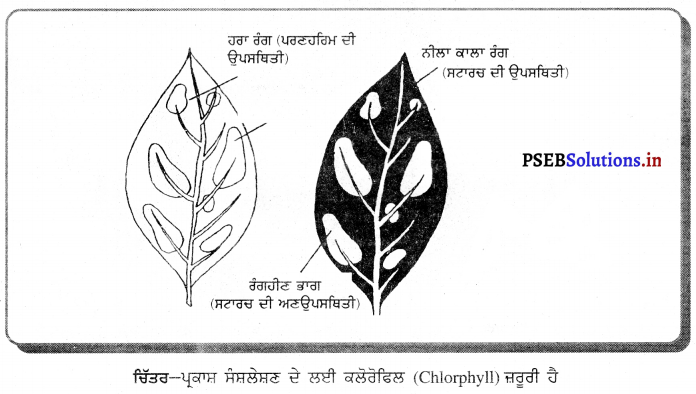
ਬਾਅਦ ਇਸ ਦੀ ਇਕ ਪੱਤੀ ਨੂੰ ਤੋੜ ਕੇ ਉਸਦਾ ਸਟਾਰਚ ਟੈਸਟ ਆਇਓਡੀਨ ਨਾਲ ਕੀਤਾ ਜਾਂਦਾ ਹੈ । ਟੈਸਟ ਕਰਨ ਤੇ ਇਹ ਦੇਖਿਆ ਜਾਂਦਾ ਹੈ ਕਿ ਪੱਤੀ ਦਾ ਜੋ ਸਥਾਨ ਹਰਾ ਸੀ, ਉਹ ਨੀਲਾ ਹੋ ਗਿਆ ਅਤੇ ਪੀਲੇ ਭਾਗ ਤੇ ਆਇਓਡੀਨ ਦਾ ਕੋਈ ਅਸਰ ਨਹੀਂ ਹੁੰਦਾ | ਪ੍ਰਯੋਗ ਦੁਆਰਾ ਇਹ ਸਾਫ਼ ਹੋ ਜਾਂਦਾ ਹੈ ਕਿ ਹਰੇ ਭਾਗ ਵਿਚ ਕਲੋਰੋਫਿਲ ਮੌਜੂਦ ਹੁੰਦਾ ਹੈ ਜਿਸ ਨਾਲ ਉੱਥੇ ਪ੍ਰਕਾਸ਼ ਸੰਸ਼ਲੇਸ਼ਣ ਦੁਆਰਾ ਸਟਾਰਚ ਦਾ ਨਿਰਮਾਣ ਹੋਇਆ ਤੇ ਹੋਰ ਸਥਾਨ ਤੇ ਨਹੀਂ ਇਸ ਤਰ੍ਹਾਂ ਇਹ ਸਿੱਧ ਹੁੰਦਾ ਹੈ ਕਿ ਪ੍ਰਕਾਸ਼ ਸੰਸ਼ਲੇਸ਼ਣ ਦੀ ਕਿਰਿਆ ਲਈ ਕਲੋਰੋਫਿਲ ਜ਼ਰੂਰੀ ਹੈ ।
ਪ੍ਰਸ਼ਨ 4.
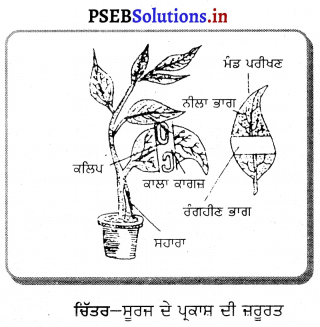
ਪ੍ਰਕਾਸ਼ ਸੰਸ਼ਲੇਸ਼ਣ ਲਈ ਪ੍ਰਕਾਸ਼ ਜ਼ਰੂਰੀ ਹੈ । ਸਿੱਧ ਕਰੋ ।
ਉੱਤਰ-
ਇਕ ਗਮਲੇ ਵਿੱਚ ਪੌਦੇ ਨੂੰ 36 ਘੰਟੇ ਹਨੇਰੇ ਵਿਚ (ਸਟਾਰਚ ਮੁਕਤ ਕਰਨ ਲਈ) ਰੱਖਦੇ ਹਾਂ । ਗਮਲੇ ਵਿੱਚ ਪੌਦੇ ਦੀ ਇੱਕ ਪੱਤੀ ਨੂੰ ਤਿੰਨ ਚਾਰ ਘੰਟੇ ਲਈ ਸੂਰਜ ਦੀ ਤੇਜ਼ ਰੌਸ਼ਨੀ ਵਿਚ ਰੱਖ ਦਿੰਦੇ ਹਨ । ਉਕਤ ਪੱਤੀ ਨੂੰ ਤੋੜ ਕੇ ਪਾਣੀ ਵਿਚ ਉਬਾਲ ਕੇ ਐਲਕੋਹਲ ਨਾਲ ਧੋ ਕੇ ਉਸ ਉੱਤੇ KI ਦਾ ਘੋਲ ਪਾਇਆ ਜਾਂਦਾ ਹੈ ।
ਨਿਰੀਖਣ-ਪੱਤੀ ਦਾ ਜਿਹੜਾ ਭਾਗ ਕਾਲੇ ਕਾਗ਼ਜ਼ ਨਾਲ ਢੱਕਿਆ ਸੀ ਪੀਲਾ ਹੈ ਅਤੇ ਬਾਕੀ ਭਾਗ ਮੰਡ ਦੇ ਕਾਰਨ ਨੀਲਾ ਹੋ ਜਾਂਦਾ ਹੈ ।
ਸਿੱਟਾ – ਇਸ ਤੋਂ ਸਿੱਧ ਹੁੰਦਾ ਹੈ ਕਿ ਪ੍ਰਕਾਸ਼ ਸੰਸ਼ਲੇਸ਼ਣ ਲਈ ਸੂਰਜੀ ਪ੍ਰਕਾਸ਼ ਦੀ ਲੋੜ ਹੈ ।
ਪ੍ਰਸ਼ਨ 5.
ਜੀਵ-ਧਾਰੀਆਂ ਲਈ ਪੋਸ਼ਣ ਕਿਉਂ ਜ਼ਰੂਰੀ ਹੈ ?
ਉੱਤਰ-
ਜੀਵ-ਧਾਰੀਆਂ (ਜੀਵਾਂ) ਨੂੰ ਪੋਸ਼ਣ ਦੀ ਲੋੜ ਹੇਠ ਲਿਖੇ ਕਾਰਨਾਂ ਕਰਕੇ ਹੁੰਦੀ ਹੈ-
- ਊਰਜਾ ਉਤਪਾਦਨ ਲਈ – ਸਰੀਰ ਦੀਆਂ ਜੈਵਿਕ ਕਿਰਿਆਵਾਂ ਲਈ ਊਰਜਾ ਦੀ ਲੋੜ ਹੁੰਦੀ ਹੈ ਅਤੇ ਜੀਵ-ਧਾਰੀਆਂ ਨੂੰ ਇਹ ਊਰਜਾ ਭੋਜਨ ਪਦਾਰਥਾਂ ਦੇ ਆਕਸੀਜਨ ਤੋਂ ਪ੍ਰਾਪਤ ਹੁੰਦੀ ਹੈ ।
- ਸਰੀਰ ਦੀ ਟੁੱਟ – ਫੁੱਟ ਦੀ ਮੁਰੰਮਤ ਲਈ-ਵੱਖ-ਵੱਖ ਜੈਵਿਕ ਕਿਰਿਆਵਾਂ ਵਿਚ ਸਰੀਰ ਟਿਸ਼ੂਆਂ ਦੀ ਟੁੱਟ-ਫੁੱਟ ਹੁੰਦੀ ਹੈ । ਇਨ੍ਹਾਂ ਦੀ ਮੁਰੰਮਤ ਲਈ ਪੋਸ਼ਣ ਦੀ ਲੋੜ ਹੁੰਦੀ ਹੈ ।
- ਵਾਧੇ ਲਈ – ਨਵੇਂ ਜੀਵ ਦ੍ਰਵ ਤੋਂ ਕਈ ਕੋਸ਼ਿਕਾਵਾਂ ਬਣਦੀਆਂ ਹਨ । ਇਨ੍ਹਾਂ ਨਾਲ ਜੀਵਾਂ ਵਿੱਚ ਵਾਧਾ ਹੁੰਦਾ ਹੈ ।
- ਢਾਹੂ – ਉਸਾਰੂ ਕਿਰਿਆਵਾਂ ਦੇ ਨਿਯੰਤਰਨ ਲਈ-ਭੋਜਨ ਨੂੰ ਪਚਾਉਣ ਲਈ ਅਤੇ ਸ਼ਵਸਨ ਆਦਿ ਉਪਾਪਚੀ ਕਿਰਿਆਵਾਂ ਵਿੱਚ ਕੁਝ ਨਿਰਮਾਣਕਾਰੀ ਅਤੇ ਕੁਝ ਵਿਨਾਸ਼ਕਾਰੀ ਕਿਰਿਆਵਾਂ ਹੁੰਦੀਆਂ ਰਹਿੰਦੀਆਂ ਹਨ । ਇਨ੍ਹਾਂ ਕਿਰਿਆਵਾਂ ਨੂੰ ਪੂਰਾ ਕਰਨ ਲਈ ਅਤੇ ਕਿਰਿਆਵਾਂ ਤੇ ਨਿਯੰਤਰਨ ਲਈ ਊਰਜਾ ਦੀ ਲੋੜ ਹੁੰਦੀ ਹੈ ।
ਪ੍ਰਸ਼ਨ 6.
ਕਠਿਨ ਕਸਰਤ ਦਾ ਸਾਹ ਦਰ ‘ ਤੇ ਕੀ ਅਸਰ ਪੈਂਦਾ ਹੈ ਅਤੇ ਕਿਉਂ ?
ਉੱਤਰ-
ਆਮ ਅਵਸਥਾ ਵਿੱਚ ਮਨੁੱਖ ਦੀ ਸਾਹ ਦਰ (Breathing rate) 15 ਤੋਂ 18 ਪ੍ਰਤੀ ਮਿੰਟ ਹੁੰਦੀ ਹੈ, ਪਰ ਸਖ਼ਤ ਕਸਰਤ ਦੇ ਬਾਅਦ ਇਹ ਦਰ ਵੱਧ ਕੇ 20 ਤੋਂ 25 ਪ੍ਰਤੀ ਮਿੰਟ ਹੋ ਜਾਂਦੀ ਹੈ, ਕਿਉਂਕਿ ਕਸਰਤ ਸਮੇਂ ਵਧੇਰੇ ਉਰਜਾ ਦੀ ਲੋੜ ਹੁੰਦੀ ਹੈ । ਵਧੇਰੇ ਉਰਜਾ ਪ੍ਰਾਪਤ ਕਰਨ ਲਈ ਵਧੇਰੇ ਆਕਸੀਜਨ ਦੀ ਲੋੜ ਹੁੰਦੀ ਹੈ ਜਿਸਦੇ ਨਤੀਜੇ ਵਜੋਂ ਸਖ਼ਤ ਕਸਰਤ ਦੇ ਬਾਅਦ ਸਾਹ ਦੀ ਦਰ ਵਧ ਜਾਂਦੀ ਹੈ ।
ਪ੍ਰਸ਼ਨ 7.
ਪ੍ਰਕਾਸ਼ ਸੰਸ਼ਲੇਸ਼ਣ ਕਿਰਿਆ ਨੂੰ ਕਿਹੜੇ-ਕਿਹੜੇ ਕਾਰਕ ਪ੍ਰਭਾਵਿਤ ਕਰਦੇ ਹਨ ? ਸਪੱਸ਼ਟ ਕਰੋ ।
ਉੱਤਰ-
(1) ਪ੍ਰਕਾਸ਼ (Light) – ਪ੍ਰਕਾਸ਼ ਸੰਸ਼ਲੇਸ਼ਣ ਦੀ ਕਿਰਿਆ ਸੂਰਜੀ ਪ੍ਰਕਾਸ਼ ਵਿੱਚ ਹੁੰਦੀ ਹੈ, ਇਸ ਲਈ ਪ੍ਰਕਾਸ਼ ਦਾ ਪ੍ਰਕਾਰ ਅਤੇ ਉਸਦੀ ਤੀਬਰਤਾ (Intensity) ਇਸ ਕਿਰਿਆ ਨੂੰ ਪ੍ਰਭਾਵਿਤ ਕਰਦੀ ਹੈ । ਪ੍ਰਕਾਸ਼ ਦੀਆਂ ਲਾਲ ਅਤੇ ਨੀਲੀਆਂ ਕਿਰਨਾਂ ਅਤੇ 100 ਫੁੱਟ ਕੈਂਡਲ ਤੋਂ 3000 ਫੁੱਟ ਕੈਂਡਲ ਤੱਕ ਪ੍ਰਕਾਸ਼ ਤੀਬਰਤਾ ਪ੍ਰਕਾਸ਼ ਸੰਸ਼ਲੇਸ਼ਣ ਦੀ ਦਰ ਨੂੰ ਵਧਾਉਂਦੀ ਹੈ ਜਦੋਂ ਕਿ ਇਸ ਨਾਲੋਂ ਉੱਚ ਤੀਬਰਤਾ ਤੇ ਇਹ ਕਿਰਿਆ ਰੁਕ ਜਾਂਦੀ ਹੈ ।
(2) ਕਾਰਬਨ-ਡਾਈਆਕਸਾਈਡ (CO2) – ਵਾਤਾਵਰਨ ਵਿਚ CO2 ਦੀ ਮਾਤਰਾ 0.03% ਹੁੰਦੀ ਹੈ । ਜੇ ਇਕ ਸੀਮਾ CO, ਦੀ ਮਾਤਰਾ ਵਧਾਈ ਜਾਵੇ ਤਾਂ ਪ੍ਰਕਾਸ਼ ਸੰਸ਼ਲੇਸ਼ਣ ਦਰ ਵੀ ਵੱਧਦੀ ਹੈ ਪਰ ਵਧੇਰੇ ਹੋਣ ‘ਤੇ ਘੱਟਣ ਲਗਦੀ ਹੈ ।
(3) ਤਾਪਮਾਨ (Temperature) – ਪ੍ਰਕਾਸ਼ ਸੰਸ਼ਲੇਸ਼ਣ ਦੇ ਲਈ 25-35°C ਦਾ ਤਾਪਮ ਸਭ ਤੋਂ ਢੁੱਕਵਾਂ ਹੁੰਦਾ ਹੈ । ਇਸ ਤੋਂ ਵੱਧ ਜਾਂ ਘੱਟ ਹੋਣ ‘ਤੇ ਦਰ ਘੱਟਦੀ-ਵੱਧਦੀ ਰਹਿੰਦੀ ਹੈ ।
(4) ਜਲ (Water) – ਇਸ ਕਿਰਿਆ ਲਈ ਪਾਣੀ ਇੱਕ ਮਹੱਤਵਪੂਰਨ ਯੌਗਿਕ ਹੈ । ਜਲ ਦੀ ਕਮੀ ਹੋਣ ਤੇ ਪ੍ਰਕਾਸ਼ ਸੰਸ਼ਲੇਸ਼ਣ ਦੀ ਕਿਰਿਆ ਪ੍ਰਭਾਵਿਤ ਹੁੰਦੀ ਹੈ ਕਿਉਂਕਿ ਜੀਵ ਦ੍ਰਵ ਦੀ ਸਕਿਰਿਅਤਾ ਘੱਟ ਜਾਂਦੀ ਹੈ, ਸਟੋਮੈਟਾ ਬੰਦ ਹੋ ਜਾਂਦੇ ਹਨ ਅਤੇ ਪ੍ਰਕਾਸ਼ ਸੰਸ਼ਲੇਸ਼ਣ ਦਰ ਘੱਟ ਜਾਂਦੀ ਹੈ ।
(5) ਆਕਸੀਜਨ (O2) – ਸਿੱਧੇ ਰੂਪ ਵਿਚ ਆਕਸੀਜਨ ਦੀ ਸਾਂਦਰਤਾ ਨਾਲ ਪ੍ਰਕਾਸ਼ ਸੰਸ਼ਲੇਸ਼ਣ ਦੀ ਕਿਰਿਆ ਪ੍ਰਭਾਵਿਤ ਨਹੀਂ ਹੁੰਦੀ ਹੈ ਪਰ ਇਹ ਦੇਖਿਆ ਗਿਆ ਹੈ ਕਿ ਵਾਯੂਮੰਡਲ ਵਿਚ O2 ਦੀ ਮਾਤਰਾ ਵਧਣ ਨਾਲ ਪ੍ਰਕਾਸ਼ ਸੰਸ਼ਲੇਸ਼ਣ ਦੀ ਦਰ ਘੱਟਦੀ ਹੈ ।
ਪ੍ਰਸ਼ਨ 8.
ਪ੍ਰਕਾਸ਼ ਸੰਸ਼ਲੇਸ਼ਣ ਅਤੇ ਸਾਹ ਕਿਰਿਆ ਵਿੱਚ ਅੰਤਰ ਦੱਸੋ ।
ਉੱਤਰ-
ਪ੍ਰਕਾਸ਼ ਸੰਸ਼ਲੇਸ਼ਣ ਅਤੇ ਸਾਹ ਕਿਰਿਆ ਵਿੱਚ ਅੰਤਰ-
| ਪ੍ਰਕਾਸ਼ ਸੰਸ਼ਲੇਸ਼ਣ (Photosynthesis) | ਸਾਹ ਕਿਰਿਆ (Respiration) |
| (1) ਇਹ ਕਿਰਿਆ ਪੌਦੇ ਦੀਆਂ ਪਰਹਰਿਤ ਯੁਕਤ ਕੋਸ਼ਿਕਾਵਾਂ ਵਿਚ ਹੁੰਦੀ ਹੈ । | (1) ਇਹ ਕਿਰਿਆ ਸਾਰੇ ਜੀਵਤ ਕੋਸ਼ਿਕਾਵਾਂ ਵਿੱਚ ਹੁੰਦੀ ਹੈ । |
| (2) ਇਹ ਕਿਰਿਆ ਸੂਰਜ ਦੇ ਪ੍ਰਕਾਸ਼ ਵਿਚ ਪੂਰੀ ਹੁੰਦੀ ਹੈ । | (2) ਇਹ ਕਿਰਿਆ ਪ੍ਰਕਾਸ਼ ਅਤੇ ਅੰਧਕਾਰ ਦੋਵਾਂ ਵਿਚ ਹੁੰਦੀ ਹੈ । |
| (3) ਇਸ ਕਿਰਿਆ ਵਿਚ ਊਰਜਾ ਭੋਜਨ ਦੇ ਰੂਪ ਵਿਚ ਸੰਗ੍ਰਹਿਤ ਹੁੰਦੀ ਹੈ । | (3) ਇਸ ਕਿਰਿਆ ਵਿਚ ਭੋਜਨ ਵਿਚੋਂ ਊਰਜਾ ਨਿਰਮੁਕਤ ਹੁੰਦੀ ਹੈ । |
| (4) ਇਸ ਵਿਚ O2 ਨਿਕਲਦੀ ਹੈ ਅਤੇ CO2 ਅਵਸ਼ੋਸ਼ਿਤ ਹੁੰਦੀ ਹੈ । | (4) ਇਸ ਵਿਚ O2 ਵਰਤੋਂ ਹੁੰਦੀ ਹੈ ਅਤੇ CO2 ਨਿਕਲਦੀ ਹੈ । |
| (5) ਇਹ ਉਪਚਯ (Anabolic) ਕਿਰਿਆ ਹੈ । | (5) ਇਹ ਅਪਚਯ (Catabolic) ਕਿਰਿਆ ਹੈ । |
| (6) ਇਹ ਰਚਨਾਤਮਕ ਕਿਰਿਆ ਹੈ । | (6) ਇਹ ਵਿਨਾਸ਼ਕਾਰੀ ਕਿਰਿਆ ਹੈ । |
ਪ੍ਰਸ਼ਨ 9.
ਪਾਚਨ ਵਿਚ ਪਿੱਤ ਰਸ ਦਾ ਮਹੱਤਵ ਲਿਖੋ ।
ਉੱਤਰ-
ਪਿੱਤ ਰਸ (Bile juice) ਪ੍ਰਤੱਖ ਰੂਪ ਵਿਚ ਭੋਜਨ ਦੇ ਪਾਚਨ ਵਿਚ ਭਾਗ ਨਹੀਂ ਲੈਂਦਾ, ਪਰ ਇਸ ਵਿਚ ਵੱਖਵੱਖ ਕਿਸਮਾਂ ਦੇ ਰਸਾਇਣ ਹੁੰਦੇ ਹਨ ਜੋ ਪਾਚਨ ਕਿਰਿਆ ਵਿਚ ਸਹਾਇਤਾ ਕਰਦੇ ਹਨ । ਇਸ ਤਰ੍ਹਾਂ ਪਿੱਤ ਰਸ ਹੇਠ ਲਿਖੀਆਂ ਮਹੱਤਵਪੂਰਨ ਭੂਮਿਕਾ ਨਿਭਾਉਂਦਾ ਹੈ-
- ਇਹ ਮਿਹਦੇ ਤੋਂ ਆਏ ਭੋਜਨ ਦੇ ਤੇਜ਼ਾਬੀ ਪ੍ਰਭਾਵ ਨੂੰ ਖਾਰੀ ਬਣਾਉਂਦਾ ਹੈ ।
- ਇਹ ਜੀਵਾਣੂਆਂ ਨੂੰ ਮਾਰਦਾ ਹੈ ਅਤੇ ਇਸਦੀ ਉਪਸਥਿਤੀ ਵਿਚ ਹੀ ਪੈਨਕਰਿਆਟਿਕ ਰਸ (Panereatic Juice) ਕਾਰਨ ਕਰਦਾ ਹੈ ।
- ਇਹ ਵਸਾ ਵਿਚ ਘੁਲਣਸ਼ੀਲ ਵਿਟਾਮਿਨਾਂ (A, D, E, K) ਦੇ ਸੋਖਣ ਵਿਚ ਸਹਾਇਕ ਹੁੰਦਾ ਹੈ ।
- ਇਹ ਕੁੱਝ ਜ਼ਹਿਰਲੇ ਪਦਾਰਥਾਂ ; ਜਿਵੇਂ-ਕੋਲੈਸਟ੍ਰਾਲ ਅਤੇ ਧਾਤੂਆਂ ਦੇ ਮਲ-ਤਿਆਗ ਵਿਚ ਸਹਾਇਕ ਹੁੰਦਾ ਹੈ ।
ਪ੍ਰਸ਼ਨ 10.
ਸਫ਼ੇਦ ਖੂਨ ਕਣਾਂ ਨੂੰ ਸਰੀਰ ਦੇ ਸੈਨਿਕ ਕਿਉਂ ਕਹਿੰਦੇ ਹਨ ?
ਉੱਤਰ-
ਸਫ਼ੇਦ ਖੂਨ ਕਣ ਸਰੀਰ ਦੀ ਰੱਖਿਆ ਕਰਦੇ ਹਨ । ਇਹ ਪ੍ਰਤੀਰੱਖਿਅਕਾਂ ਦਾ ਨਿਰਮਾਣ ਕਰਦੇ ਹਨ । ਜਦੋਂ ਕਦੇ ਸਰੀਰ ਵਿੱਚ ਰੋਗ ਫੈਲਾਉਣ ਵਾਲੇ ਰੋਗਾਣੂ ਪ੍ਰਵੇਸ਼ ਹੋ ਜਾਂਦੇ ਹਨ ਜਾਂ ਕੋਈ ਸੱਟ ਲੱਗ ਜਾਂਦੀ ਹੈ ਤਾਂ ਇਹ ਰੋਗਾਣੂਆਂ ਨੂੰ ਮਾਰਦੇ ਹਨ । ਇਸ ਲਈ ਇਨ੍ਹਾਂ ਨੂੰ ਸਰੀਰ ਦਾ ਸੈਨਿਕ ਕਿਹਾ ਜਾਂਦਾ ਹੈ ।
ਪ੍ਰਸ਼ਨ 11.
ਧਮਨੀ ਅਤੇ ਸ਼ਿਰਾ ਵਿੱਚ ਅੰਤਰ ਕਿਹੜੇ-ਕਿਹੜੇ ਹਨ ? ਉੱਤਰ-ਧਮਨੀ ਅਤੇ ਸ਼ਿਰਾ ਵਿੱਚ ਅੰਤਰ-
| ਧਮਨੀ (Artery) | ਸ਼ਿਰਾਵਾਂ (Veins) |
| (1) ਧਮਨੀ ਦਿਲ ਤੋਂ ਲਹੁ ਦਾ ਸੰਵਹਿਣ ਸਰੀਰ ਦੇ ਵੱਖ-ਵੱਖ ਭਾਗਾਂ ਵਿੱਚ ਕਰਦੀ ਹੈ । | (1) ਸ਼ਿਰਾਵਾਂ ਸਰੀਰ ਦੇ ਵੱਖ-ਵੱਖ ਭਾਗਾਂ ਤੋਂ ਲਹੁ ਨੂੰ ਇਕੱਠਾ ਕਰਕੇ ਉਸਦਾ ਸੰਵਹਿਣ ਦਿਲ ਤੱਕ ਕਰਦੀਆਂ ਹਨ । |
| (2) ਇਨ੍ਹਾਂ ਵਿੱਚ ਕਪਾਟ (ਵਾਲਵ) ਨਹੀਂ ਹੁੰਦੇ ਹਨ । | (2) ਇਨ੍ਹਾਂ ਵਿੱਚ ਕਪਾਟ (ਵਾਲਵ) ਹੁੰਦੇ ਹਨ । |
| (3) ਇਨ੍ਹਾਂ ਦੀਆਂ ਦੀਵਾਰਾਂ ਮੋਟੀਆਂ ਹੁੰਦੀਆਂ ਹਨ । | (3) ਇਨ੍ਹਾਂ ਦੀਆਂ ਦੀਵਾਰਾਂ ਪਤਲੀਆਂ ਹੁੰਦੀਆਂ ਹਨ । |
| (4) ਫੇਫੜਾ ਧਮਨੀ ਨੂੰ ਛੱਡ ਕੇ ਬਾਕੀ ਧਮਨੀਆਂ ਆਕਸੀਜਨ ਯੁਕਤ ਸ਼ੁੱਧ ਲਹੂ ਦਾ ਪਰਿਵਹਿਨ ਕਰਦੀਆਂ ਹਨ । | (4) ਫੇਫੜਾ ਸ਼ਿਰਾ ਨੂੰ ਛੱਡ ਕੇ ਬਾਕੀ ਸ਼ਿਰਾਵਾਂ CO<sub>2</sub> ਯੁਕਤ ਅਸ਼ੁੱਧ ਲਹੂ ਦਾ ਪਰਿਵਹਿਨ ਕਰਦੀਆਂ ਹਨ । |
| (5) ਚਮੜੀ ਹੇਠਾਂ ਗਹਿਰਾਈ ਤੇ ਮੌਜੂਦ ਹੁੰਦੀਆਂ ਹਨ । | (5) ਚਮੜੀ ਹੇਠਾਂ ਘੱਟ ਗਹਿਰਾਈ ਤੇ ਮੌਜੂਦ ਹੁੰਦੀਆਂ ਹਨ । |
| (6) ਲਹੂ ਦਾ ਬਹਾਵ ਤੇਜ਼ ਅਤੇ ਝਟਕੇ ਨਾਲ ਹੁੰਦਾ ਹੈ । | (6) ਲਹੂ ਦਾ ਬਹਾਵ ਧੀਮੀ ਚਾਲ ਨਾਲ ਹੁੰਦਾ ਹੈ । |
ਪ੍ਰਸ਼ਨ 12.
ਧਮਨੀ, ਸ਼ਿਰਾ ਅਤੇ ਕੋਸ਼ਿਕਾਵਾਂ ਵਿਚ ਅੰਤਰ ਸਪੱਸ਼ਟ ਕਰੋ ।
ਉੱਤਰ-
- ਧਮਨੀਆਂ – ਇਹ ਸਾਫ਼ ਲਹੂ ਨੂੰ ਦਿਲ ਤੋਂ ਸਰੀਰ ਦੇ ਹੋਰ ਅੰਗਾਂ ਕੋਲ ਲੈ ਕੇ ਜਾਂਦੀਆਂ ਹਨ । ਇਹ ਚੌੜੀ ਹੁੰਦੀ ਹੈ ਅਤੇ ਚਮੜੀ ਹੇਠਾਂ ਗਹਿਰਾਈ ਤੇ ਮੌਜੂਦ ਹੁੰਦੀਆਂ ਹਨ ।
- ਸ਼ਿਰਾਵਾਂ – ਇਹ ਅਸ਼ੁੱਧ ਲਹੂ ਨੂੰ ਸਰੀਰ ਦੇ ਅੰਗਾਂ ਤੋਂ ਦਿਲ ਵਲ ਲਿਆਉਂਦੀਆਂ ਹਨ । ਇਨ੍ਹਾਂ ਦੀਆਂ ਦੀਵਾਰਾਂ ਪਤਲੀਆਂ ਹੁੰਦੀਆਂ ਹਨ । ਇਹ ਚਮੜੀ ਹੇਠਾਂ ਵਧੇਰੇ ਡੂੰਘਾਈ ਤੇ ਨਹੀਂ ਸਗੋਂ ਚਮੜੀ ਦੇ ਨੇੜੇ ਹੁੰਦੀਆਂ ਹਨ ।
- ਕੋਸ਼ਿਕਾਵਾਂ – ਇਹ ਬਹੁਤ ਪਤਲੀਆਂ ਤੇ ਬਾਰੀਕ ਹੁੰਦੀਆਂ ਹਨ । ਇਹ ਲਹੂ ਨੂੰ ਸਾਰੇ ਅੰਗਾਂ ਤੱਕ ਪਹੁੰਚਾਉਂਦੀਆਂ ਹਨ ।
ਪ੍ਰਸ਼ਨ 13.
ਗੁਰਦੇ ਦੇ ਮੁੱਖ ਕਾਰਜਾਂ ਨੂੰ ਲਿਖੋ ।
ਉੱਤਰ-
ਗੁਰਦੇ ਦੇ ਕਾਰਜ-
- ਗੁਰਦੇ ਦਾ ਮੁੱਖ ਕਾਰਜ ਨਾਈਟਰੋਜਨ ਯੁਕਤ ਉਤਸਰਜੀ ਪਦਾਰਥਾਂ ਨੂੰ ਸਰੀਰ ਤੋਂ ਬਾਹਰ ਕੱਢਣ ਦਾ ਹੁੰਦਾ ਹੈ ।
- ਗੁਰਦੇ ਸਰੀਰ ਵਿੱਚ ਪਾਣੀ ਦੀ ਮਾਤਰਾ ਨੂੰ ਸੰਤੁਲਿਤ ਬਣਾਈ ਰੱਖਣ ਦਾ ਕਾਰਜ ਕਰਦੇ ਹਨ ।
- ਗੁਰਦੇ ਸਰੀਰ ਵਿੱਚ ਤੇਜ਼ਾਬ ਅਤੇ ਖਾਰ ਦਾ ਸੰਤੁਲਨ ਬਣਾਈ ਰੱਖਦੇ ਹਨ ।
- ਗੁਰਦੇ ਲੂਣਾਂ ਦੇ ਸੰਤੁਲਨ ਵਿਚ ਸਹਾਇਕ ਹੁੰਦੇ ਹਨ ।
- ਗੁਰਦੇ ਸਰੀਰ ਵਿਚ ਗ਼ੈਰ-ਜ਼ਰੂਰੀ ਰੂਪ ਨਾਲ ਉਤਸਰਜੀ ਪਦਾਰਥਾਂ ਨੂੰ ਜਿਵੇਂ-ਜ਼ਹਿਰ, ਦਵਾਈਆਂ ਆਦਿ ਨੂੰ ਮੂਤਰ ਨਾਲ ਬਾਹਰ ਕੱਢਦੇ ਹਨ ।
ਪ੍ਰਸ਼ਨ 14.
ਨੈਫਰਾਂਨ ਨੂੰ ਡਾਇਆਲਸਿਸ ਬੈਲਾ ਕਿਉਂ ਕਹਿੰਦੇ ਹਨ ?
ਉੱਤਰ-
ਨੈਫਰਾਂਨ ਨੂੰ ਡਾਇਆਲਿਸਿਸ ਥੈਲਾ ਇਸ ਲਈ ਕਿਹਾ ਜਾਂਦਾ ਹੈ ਕਿਉਂਕਿ ਨੈਫਰਾਂਨ ਦੀ ਪਿਆਲੇਨੁਮਾ ਸੰਰਚਨਾ ਬੋਮੈਨ ਕੈਪਸਿਉਲ ਵਿਚ ਸਥਿਤ ਸੈੱਲ ਗੁੱਛੇ ਦੀਆਂ ਦੀਵਾਰਾਂ ਤੋਂ ਲਹੂ ਛਣਦਾ ਹੈ । ਲਹੂ ਵਿੱਚ ਮੌਜੂਦ ਪ੍ਰੋਟੀਨ ਦੇ ਅਣੂ ਵੱਡੇ ਹੋਣ ਦੇ ਕਾਰਨ ਛਣ ਨਹੀਂ ਪਾਉਂਦੇ ਅਤੇ ਗੁਲੂਕੋਜ਼ ਅਤੇ ਲੂਣ ਦੇ ਅਣੂ ਛੋਟੇ ਹੋਣ ਕਾਰਨ ਛਣ ਜਾਂਦੇ ਹਨ । ਇਸ ਤਰ੍ਹਾਂ ਨੇਫਰਾਨ ਨੂੰ ਡਾਇਆਲਸਿਸ ਥੈਲੀ ਦੀ ਤਰ੍ਹਾਂ ਕਾਰਜ ਕਰਨ ਕਰਕੇ ਇਹ ਨਾਮ ਦਿੱਤਾ ਗਿਆ ਹੈ ।
ਪ੍ਰਸ਼ਨ 15.
ਡਾਇਆਲਸਿਸ (Dialysis) ਕਿਰਿਆ ਕਿਸ ਨੂੰ ਕਹਿੰਦੇ ਹਨ ? ਇਸ ਪ੍ਰਕਿਰਿਆ ਨੂੰ ਸਮਝਾਓ ।
ਉੱਤਰ-
ਡਾਇਆਲਸਿਸ (Dialysis) – ਜੇ ਕਿਸੇ ਲੂਣ ਅਤੇ ਸਟਾਰਚ ਦੇ ਘੋਲ ਨੂੰ ਸੈਲੋਫੋਨ ਦੀ ਥੈਲੀ ਵਿਚ ਭਰ ਕੇ ਉਸ ਨੂੰ ਕਸ਼ੀਦਤ ਪਾਣੀ ਵਿਚ ਲਟਕਾ ਦਿੱਤਾ ਜਾਵੇ ਤਾਂ ਲੂਣ ਦੇ ਆਇਨ ਸੈਲੋਫੋਨ ਵਿੱਚੋਂ ਹੁੰਦੇ ਹੋਏ ਕਸ਼ੀਦਤ ਪਾਣੀ ਵਿਚ ਪ੍ਰਵੇਸ਼ ਕਰ ਜਾਂਦੇ ਹਨ ਅਤੇ ਸਟਾਰਚ ਥੈਲੀ ਦੇ ਅੰਦਰ ਰਹਿ ਜਾਂਦਾ ਹੈ । ਇਹ ਪ੍ਰਕਿਰਿਆ ਡਾਇਆਲਸਿਸ (dialysis) ਕਹਾਉਂਦੀ ਹੈ ।
ਪ੍ਰਸ਼ਨ 16.
ਲਹੁ ਦਾਬ ਕਿਸ ਨੂੰ ਕਹਿੰਦੇ ਹਨ ? ਇਸ ਨੂੰ ਕਿਵੇਂ ਨਾਪਦੇ ਹਨ ? ਰਕਤ ਚਾਪ ਵੱਧ ਜਾਣ ‘ਤੇ ਕੀ ਹਾਨੀ ਹੋ ਸਕਦੀ ਹੈ ?
ਉੱਤਰ-
ਖੂਨ ਦੀ ਨਾਲੀਆਂ ਦੀਆਂ ਦੀਵਾਰਾਂ ਦੇ ਉਲਟ ਜੋ ਦਬਾਅ ਲਗਦਾ ਹੈ, ਉਸ ਨੂੰ ਲਹੂ ਦਾਬ ਕਹਿੰਦੇ ਹਨ । ਇਹ ਦਾਬ ਸ਼ਿਰਾਵਾਂ ਦੀ ਤੁਲਨਾ ਵਿਚ ਧਮਨੀਆਂ ਵਿਚ ਬਹੁਤ ਜ਼ਿਆਦਾ ਹੁੰਦਾ ਹੈ । ਧਮਣੀ ਦੇ ਸੁੰਗੜਨ ਸਮੇਂ ਦਾ ਦਬਾਓ ਸਿਸਟੋਲਿਕ
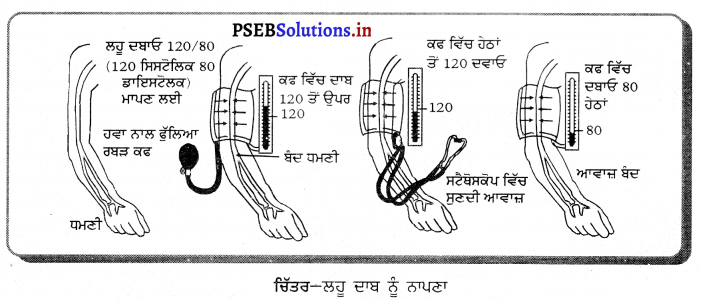
ਦਬਾਓ ਅਖਵਾਉਂਦਾ ਅਤੇ ਧਮਨੀ ਦੇ ਸਥਿਰ ਹੋਣ ਸਮੇਂ ਧਮਣੀ ਦੇ ਅੰਦਰ ਦਾ ਲਹੂ ਦਬਾਓ ਡਾਈਸਟੋਲਿਕ ਦਬਾਓ ਹੁੰਦਾ ਹੈ । ਆਮ ਸਿਸਟੋਲਿਕ ਦਬਾਓ 120 mm (ਪਾਰਾ) ਅਤੇ ਡਾਈਸਟੋਲਿਕ ਦਬਾਓ 80 mm ਹੁੰਦਾ ਹੈ । ਲਹੂ ਦਬਾਓ ਸਫਈਗਮੋਮੈਨੋਮੀਟਰ ਨਾਂ ਦੇ ਯੰਤਰ ਦੁਆਰਾ ਮਿਣਿਆ ਲਹੂ ਦਬਾਓ ਅਖਵਾਉਂਦਾ ਹੈ ।
ਪ੍ਰਸ਼ਨ 17.
ਮਨੁੱਖੀ ਮਲ-ਤਿਆਗ ਪ੍ਰਣਾਲੀ ਦਾ ਅੰਕਿਤ ਚਿੱਤਰ ਬਣਾਓ ।
ਉੱਤਰ-
ਮਨੁੱਖੀ ਮਲ-ਤਿਆਗ ਪ੍ਰਣਾਲੀ ਦਾ ਅੰਕਿਤ ਚਿੱਤਰ
ਪ੍ਰਸ਼ਨ 18.
ਆਕਸੀ ਸਾਹ ਕਿਰਿਆ ਅਤੇ ਅਣ-ਆਕਸੀ ਸਾਹ ਕਿਰਿਆ ਵਿਚਕਾਰ ਤਿੰਨ ਅੰਤਰ ਲਿਖੋ ।
ਉੱਤਰ-
ਆਕਸੀ ਸਾਹ ਕਿਰਿਆ ਅਤੇ ਅਣ-ਆਕਸੀ ਸਾਹ ਕਿਰਿਆ ਵਿਚ ਅੰਤਰ-
| ਆਕਸੀ ਸਾਹ ਕਿਰਿਆ | ਅਣ-ਆਕਸੀ ਸਾਹ ਕਿਰਿਆ |
| (1) ਇਹ ਕਿਰਿਆ ਆਕਸੀਜਨ ਦੀ ਮੌਜੂਦਗੀ ਵਿਚ ਹੁੰਦੀ ਹੈ । | (1) ਇਹ ਕਿਰਿਆ ਆਕਸੀਜਨ ਦੀ ਗ਼ੈਰ-ਮੌਜੂਦਗੀ ਵਿਚ ਹੁੰਦੀ ਹੈ । |
| (2) ਇਹ ਕਿਰਿਆ ਕੋਸ਼ਿਕਾ ਦੇ ਜੀਵ ਵ ਅਤੇ ਮਾਈਟੋਕਾਂਡਰੀਆ ਦੋਵਾਂ ਵਿਚ ਪੂਰਨ ਹੁੰਦੀ ਹੈ । | (2) ਇਹ ਕਿਰਿਆ ਸਿਰਫ਼ ਜੀਵ ਦਵ ਵਿਚ ਹੀ ਪਰੀ ਹੁੰਦੀ ਹੈ । |
| (3) ਇਸ ਕਿਰਿਆ ਵਿਚ ਗੁਲੂਕੋਜ਼ ਦਾ ਪੂਰੀ ਤਰ੍ਹਾਂ ਆਕਸੀਕਰਨ ਹੁੰਦਾ ਹੈ । | (3) ਇਸ ਕਿਰਿਆ ਵਿਚ ਗੁਲੂਕੋਜ਼ ਦਾ ਅਪੂਰਣ ਆਕਸੀਕਰਨ ਹੁੰਦਾ ਹੈ । |
ਪ੍ਰਸ਼ਨ 19.
ਸਵੈਪੋਸ਼ੀ ਪੋਸ਼ਣ ਕੀ ਹੁੰਦਾ ਹੈ ? ਇੱਕ ਉਦਾਹਰਣ ਦਿਓ ।
ਉੱਤਰ-
ਸਵੈਪੋਸ਼ੀ ਪੋਸ਼ਣ – ਉਹ ਪਰਕੂਮ ਜਿਸ ਵਿੱਚ ਜੀਵ ਆਪਣੇ ਭੋਜਨ ਦਾ ਨਿਰਮਾਣ ਆਪ ਕਰਦੇ ਹਨ, ਸਵੈਪੋਸ਼ੀ ਪੋਸ਼ਣ ਅਖਵਾਉਂਦਾ ਹੈ ।
ਉਦਾਹਰਨ-ਸਾਰੇ ਹਰੇ ਪੌਦੇ ।
ਬਹੁਤ ਛੋਟੇ ਉੱਤਰਾਂ ਵਾਲੇ ਪ੍ਰਸ਼ਨ (Very Short Answer Type Questions)
ਪ੍ਰਸ਼ਨ 1.
ਪੋਸ਼ਣ ਕੀ ਹੈ ?
ਉੱਤਰ-
ਊਰਜਾ ਦੇ ਸਰੋਤ ਨੂੰ ਭੋਜਨ ਦੇ ਰੂਪ ਵਿੱਚ ਸਰੀਰ ਦੇ ਅੰਦਰ ਲੈਣ ਦੇ ਪ੍ਰਮ ਨੂੰ ਪੋਸ਼ਣ ਕਹਿੰਦੇ ਹਨ ।
ਪ੍ਰਸ਼ਨ 2.
ਸਾਹ ਕੀ ਹੈ ?
ਉੱਤਰ-
ਸਰੀਰ ਦੇ ਬਾਹਰ ਤੋਂ ਆਕਸੀਜਨ ਗਹਿਣ ਕਰਨੀ ਅਤੇ ਕੌਸ਼ਨੀ ਲੋੜਾਂ ਦੇ ਅਨੁਸਾਰ ਖਾਦ ਸਰੋਤ ਦੇ ਵਿਘਟਨ । ਵਿੱਚ ਉਸਦਾ ਉਪਯੋਗ ਸਾਹ ਕਹਾਉਂਦਾ ਹੈ ।
ਪ੍ਰਸ਼ਨ 3.
ਮਲ-ਤਿਆਗ ਕੀ ਹੈ ?
ਉੱਤਰ-
ਸਰੀਰ ਤੋਂ ਅਪਸ਼ਿਸ਼ਟ ਪਦਾਰਥਾਂ ਨੂੰ ਬਾਹਰ ਕੱਢਣਾ ਮਲ-ਤਿਆਗ ਕਹਾਉਂਦਾ ਹੈ ।
ਪ੍ਰਸ਼ਨ 4.
ਭੋਜਨ ਕੀ ਹੈ ?
ਉੱਤਰ-
ਊਰਜਾ ਦੀ ਪ੍ਰਾਪਤੀ ਲਈ ਜੋ ਪਦਾਰਥ ਖਾਂਦੇ ਜਾਂਦੇ ਹਨ ਉਹ ਭੋਜਨ ਹੈ ।
ਪ੍ਰਸ਼ਨ 5.
ਸਵੈਪੋਸ਼ੀ ਜੀਵ ਕਿਸ ਨੂੰ ਕਹਿੰਦੇ ਹਨ ?
ਉੱਤਰ-
ਜੋ ਜੀਵ ਅਕਾਰਬਨਿਕ ਸ੍ਰੋਤਾਂ ਤੋਂ CO2 ਅਤੇ ਪਾਣੀ ਦੇ ਰੂਪ ਵਿਚ ਸਰਲ ਪਦਾਰਥ ਪ੍ਰਾਪਤ ਕਰਦੇ ਹਨ ਉਨ੍ਹਾਂ ਨੂੰ , ਸਵੈਪੋਸ਼ੀ ਕਹਿੰਦੇ ਹਨ ।
ਪ੍ਰਸ਼ਨ 6.
ਸਵੈਪੋਸ਼ੀ ਕਿਸ ਪ੍ਰਕਿਰਿਆ ਤੋਂ ਆਪਣਾ ਭੋਜਨ ਬਣਾਉਂਦੇ ਹਨ ?
ਉੱਤਰ-
ਪ੍ਰਕਾਸ਼ ਸੰਸ਼ਲੇਸ਼ਣ ਕਿਰਿਆ ਤੋਂ ।
ਪ੍ਰਸ਼ਨ 7.
ਹਰੇ ਪੌਦਿਆਂ ਨੂੰ ਉਤਪਾਦਕ ਕਿਉਂ ਕਹਿੰਦੇ ਹਨ ?
ਉੱਤਰ-
ਪੌਦੇ, CO2 H2O, ਸੂਰਜੀ ਪ੍ਰਕਾਸ਼ ਅਤੇ ਕਲੋਰੋਫਿਲ ਦੀ ਸਹਾਇਤਾ ਨਾਲ ਆਪਣੇ ਅਤੇ ਜੀਵ ਜਗਤ ਦੇ ਦੂਸਰੇ ਜੀਵਾਂ ਲਈ ਭੋਜਨ ਪਦਾਰਥਾਂ ਦਾ ਨਿਰਮਾਣ ਕਰਦੇ ਹਨ । ਇਸ ਲਈ ਇਨ੍ਹਾਂ ਨੂੰ ਉਤਪਾਦਕ ਕਿਹਾ ਜਾਂਦਾ ਹੈ ।
ਪ੍ਰਸ਼ਨ 8.
ਪੌਦੇ ਹਰੇ ਕਿਉਂ ਦਿਖਾਈ ਦਿੰਦੇ ਹਨ ?
ਉੱਤਰ-
ਕਲੋਰੋਫਿਲ ਦੀ ਮੌਜੂਦਗੀ ਦੇ ਕਾਰਨ ਪੌਦੇ ਹਰੇ ਦਿਖਾਈ ਦਿੰਦੇ ਹਨ, ਜੋ ਸਫ਼ੇਦ ਪ੍ਰਕਾਸ਼ ਦੀ ਮੌਜੂਦਗੀ ਵਿੱਚ ਹਰੇ ਰੰਗ ਦੇ ਪ੍ਰਕਾਸ਼ ਨੂੰ ਪਰਾਵਰਤਿਤ ਕਰਕੇ ਅਤੇ ਬਾਕੀ ਰੰਗਾਂ ਦੇ ਪ੍ਰਕਾਸ਼ ਨੂੰ ਸੋਖ ਲੈਂਦੀ ਹੈ । ਹਰਾ ਰੰਗ ਸਾਡੀ ਅੱਖ ਦੇ ਪਰਦੇ ਤੇ ਪੈਂਦਾ ਤੇ ਸਾਨੂੰ ਹਰੇ ਰੰਗ ਦਾ ਅਹਿਸਾਸ ਹੁੰਦਾ ਹੈ । ਇਹੀ ਕਾਰਨ ਹੈ ਕਿ ਪੌਦੇ ਹਰੇ ਦਿਖਾਈ ਦਿੰਦੇ ਹਨ ।
ਪ੍ਰਸ਼ਨ 9.
ਪ੍ਰਕਾਸ਼ ਸੰਸ਼ਲੇਸ਼ਣ ਦੀ ਪਰਿਭਾਸ਼ਾ ਲਿਖੋ ਅਤੇ ਇਸਦੇ ਲਈ ਸਮੀਕਰਣ ਵੀ ਲਿਖੋ ।
ਉੱਤਰ-
ਪ੍ਰਕਾਸ਼ ਸੰਸ਼ਲੇਸ਼ਣ – ਸੂਰਜ ਦੇ ਪ੍ਰਕਾਸ਼ ਦੀ ਮੌਜ਼ਦਗੀ ਵਿਚ ਕਾਰਬਨ-ਡਾਈਆਕਸਾਈਡ ਅਤੇ ਪਾਣੀ ਜਿਹੇ ਯੌਗਿਕਾਂਤੋਂ ਹਰੇ ਪੌਦਿਆਂ ਦੁਆਰਾ ਕਲੋਰੋਫਿਲ ਦੀ ਸਹਾਇਤਾ ਨਾਲ ਪੌਦਿਆਂ ਦੁਆਰਾ ਭੋਜਨ ਦੇ ਨਿਰਮਾਣ ਦੀ ਪ੍ਰਕਿਰਿਆ ਪ੍ਰਕਾਸ਼ ਸੰਸ਼ਲੇਸ਼ਣ ਕਹਾਉਂਦੀ ਹੈ ।
ਪ੍ਰਕਾਸ਼ ਸੰਸ਼ਲੇਸ਼ਣ ਦੀ ਰਸਾਇਣਿਕ ਕਿਰਿਆ
ਸਮੀਕਰਣ : 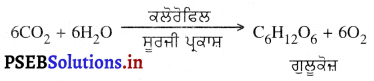
ਪ੍ਰਸ਼ਨ 10.
ਦੋ ਬਾਹਰੀ ਪਰਜੀਵੀਆਂ ਦੇ ਨਾਮ ਲਿਖੋ ।
ਉੱਤਰ-
- ਖਟਮਲ
- ਜੂ ।
ਪ੍ਰਸ਼ਨ 11.
ਦੋ ਅੰਦਰੂਨੀ ਪਰਜੀਵੀਆਂ ਦੇ ਨਾਂ ਲਿਖੋ ।
ਉੱਤਰ-
ਫੀਤਾ ਕਿਮੀ, ਪਲਾਜ਼ਮੋਡੀਅਮ (ਮਲੇਰੀਆ ਪਰਜੀਵੀ) ।
ਪ੍ਰਸ਼ਨ 12.
ਮਨੁੱਖ ਦੀ ਆਹਾਰ ਨਾਲੀ ਕਿੱਥੋਂ ਤੋਂ ਕਿੱਥੋਂ ਤਕ ਫੈਲੀ ਹੁੰਦੀ ਹੈ ?
ਉੱਤਰ-
ਮੂੰਹ ਤੋਂ ਗੁਦਾ ਤਕ ।
ਪ੍ਰਸ਼ਨ 13.
ਲਾਰ ਕੀ ਹੈ ?
ਉੱਤਰ-
ਮੂੰਹ ਵਿੱਚ ਲਾਰ ਗ੍ਰੰਥੀਆਂ ਵਿਚੋਂ ਨਿਕਲਣ ਵਾਲਾ ਰਸ ਲਾਰ ਕਹਾਉਂਦਾ ਹੈ ।
ਪ੍ਰਸ਼ਨ 14.
ਆਹਾਰ ਨਲੀ ਦਾ ਸਭ ਤੋਂ ਲੰਬਾ ਭਾਗ ਕਿਹੜਾ ਹੈ ?
ਉੱਤਰ-
ਛੋਟੀ ਆਂਦਰ ।
ਪ੍ਰਸ਼ਨ 15.
ਜਿਗਰ ਵਿਚੋਂ ਕਿਹੜਾ ਰਸ ਨਿਕਲਦਾ ਹੈ ?
ਉੱਤਰ-
ਪਿੱਤ ਰਸ ।
ਪ੍ਰਸ਼ਨ 16.
ਮਨੁੱਖ ਦੇ ਆਹਾਰ ਨਾਲ ਦੀ ਲੰਬਾਈ ਕਿੰਨੀ ਹੁੰਦੀ ਹੈ ?
ਉੱਤਰ-
ਮਨੁੱਖ ਦੇ ਆਹਾਰ ਨਾਲ ਦੀ ਲੰਬਾਈ ਲਗਭਗ 9 ਤੋਂ 10 ਮੀ. ਹੁੰਦੀ ਹੈ ।
ਪ੍ਰਸ਼ਨ 17.
ਮਨੁੱਖ ਦੇ ਸਰੀਰ ਵਿੱਚ ਸਭ ਤੋਂ ਵੱਡੀ ਗ੍ਰੰਥੀ ਦਾ ਨਾਮ ਲਿਖੋ ।
ਉੱਤਰ-
ਜਿਗਰ (liver) ।
ਪ੍ਰਸ਼ਨ 18.
ਪੈਨਕਰੀਆਜ ਰਸ ਵਿਚ ਮੌਜੂਦ ਚਾਰ ਐਂਜ਼ਾਈਮਾਂ ਦੇ ਨਾਮ ਦੱਸੋ ।
ਉੱਤਰ-
- ਪੈਨਕਰੀਆਟਿਕ ਐਮਾਈਲੇਜ
- ਪੈਨਕਰੀਆਟਿਕ ਲਾਈਪੇਜ
- ਪਸਿਨ
- ਕਾਈਮੋਟਰੀਪਸੀਨ ।
ਪ੍ਰਸ਼ਨ 19.
ਪਾਚਨ ਕਿਸ ਨੂੰ ਕਹਿੰਦੇ ਹਨ ?
ਉੱਤਰ-
ਇਹ ਕਿਰਿਆ ਜਿਸ ਵਿਚ ਐਂਜ਼ਾਈਮਾਂ ਦੀ ਸਹਾਇਤਾ ਨਾਲ ਗੁੰਝਲਦਾਰ ਭੋਜਨ ਪਦਾਰਥ ਨੂੰ ਸਰਲ ਅਣੂਆਂ ਵਿਚ ਅਪਘਟਿਤ ਕੀਤਾ ਜਾਂਦਾ ਹੈ । ਜਿਸ ਨਾਲ ਇਹ ਅਵਸ਼ੋਸ਼ਿਤ ਹੋ ਕੇ ਸਾਡੀਆਂ ਕੋਸ਼ਿਕਾਵਾਂ ਵਿੱਚ ਪ੍ਰਵੇਸ਼ ਕਰ ਸਕਣ, ਪਾਚਨ (digestion) ਕਹਾਉਂਦੀ ਹੈ ।
ਪ੍ਰਸ਼ਨ 20.
ਆਕਸੀ-ਸਾਹ ਕਿਸ ਨੂੰ ਕਹਿੰਦੇ ਹਨ ?
ਉੱਤਰ-
ਆਕਸੀ-ਸਾਹ (Aerobic Respirations) – ਇਹ ਉਹ ਸਾਹ ਹੈ ਜਿਸ ਵਿਚ ਭੋਜਨ ਪਦਾਰਥਾਂ ਦਾ ਆਕਸੀਕਰਨ ਆਕਸੀਜਨ ਦੀ ਮੌਜੂਦਗੀ ਵਿੱਚ ਪੂਰਣ ਰੂਪ ਵਿੱਚ CO2 ਅਤੇ H2O ਵਿੱਚ ਹੋ ਜਾਂਦਾ ਹੈ । ਇਸ ਸਾਹ ਵਿਚ ਵਧੇਰੇ ਮਾਤਰਾ ਵਿੱਚ ਊਰਜਾ ਪੈਦਾ ਹੁੰਦੀ ਹੈ । ਇਸ ਨੂੰ ਹੇਠ ਲਿਖੇ ਸਮੀਕਰਨ ਦੁਆਰਾ ਵਿਅਕਤ ਕੀਤਾ ਜਾਂਦਾ ਹੈ
C6H12O6 + 6O2 → 6CO2 + 6H2O + 673 Kcal ਊਰਜਾ
ਪ੍ਰਸ਼ਨ 21.
ਅਨਾਕਸੀ ਸਾਹ ਕਿਸ ਨੂੰ ਕਹਿੰਦੇ ਹਨ ? ਸਮੀਕਰਨ ਦਿਓ ।
ਉੱਤਰ-
ਅਨਾਕਸੀ ਸਾਹ (Anerobic Respiration) – ਇਹ ਉਹ ਸਾਹ ਹੈ, ਜਿਸ ਵਿਚ ਭੋਜਨ ਪਦਾਰਥਾਂ ਦਾ ਅਪੂਰਨ ਆਕਸੀਕਰਨ ਆਕਸੀਜਨ ਦੀ ਗੈਰ-ਮੌਜੂਦਗੀ ਵਿਚ ਹੁੰਦਾ ਹੈ । ਇਸ ਵਿੱਚ ਘੱਟ ਊਰਜਾ ਮੁਕਤ ਹੁੰਦੀ ਹੈ । ਇਸ ਨੂੰ ਹੇਠ ਲਿਖੇ ਸਮੀਕਰਨ ਨਾਲ ਵਿਅਕਤ ਕਰਦੇ ਹਾਂ ।
C6 H12 O6 → 2CO2 + 2C2H5OH + 21 Kcal ਊਰਜਾ (2ATP)
ਪ੍ਰਸ਼ਨ 22.
ATP ਕੀ ਹੈ ?
ਉੱਤਰ-
ATP ਜਾਂ ਐਡੀਨੋਸੀਨ ਵਾਈਫਾਸਫੇਟ ਇਕ ਖ਼ਾਸ ਤਰ੍ਹਾਂ ਦਾ ਯੌਗਿਕ ਹੈ ਜੋ ਸਾਰੇ ਜੀਵਾਂ ਦੀਆਂ ਕੋਸ਼ਿਕਾਵਾਂ ਵਿਚ ਊਰਜਾ ਦਾ ਵਾਹਕ ਅਤੇ ਸੰਗ੍ਰਾਹਕ ਹੈ ।
ਪ੍ਰਸ਼ਨ 23.
ਕਿਣਵਨ ਕੀ ਹੈ ?
ਉੱਤਰ-
ਰਸਾਇਣਿਕ ਕਿਰਿਆ ਜਿਸ ਵਿਚ ਸੂਖ਼ਮ ਜੀਵ ਯੀਸਟ) ਸ਼ਕਰ ਦਾ ਅਪੂਰਨ ਵਿਘਟਣ ਕਰਕੇ CO2 ਅਤੇ ਐਲਕੋਹਲ, ਐਸਟਿਕ ਅਮਲ ਆਦਿ ਦਾ ਨਿਰਮਾਣ ਹੁੰਦਾ ਹੈ, ਕਿਣਵਨ (Fermentation) ਕਹਾਉਂਦੀ ਹੈ ਇਸ ਵਿੱਚ ਕੁੱਝ ਉਰਜਾ ਵੀ ਮੁਕਤ ਹੁੰਦੀ ਹੈ ।
ਪ੍ਰਸ਼ਨ 24.
ਆਮ ਅਵਸਥਾ ਵਿਚ ਮਨੁੱਖ ਕਿੰਨੀ ਵਾਰ ਸਾਹ ਲੈਂਦਾ ਹੈ ?
ਉੱਤਰ-
ਆਮ ਅਵਸਥਾ ਵਿੱਚ ਮਨੁੱਖ ਪ੍ਰਤੀ ਮਿੰਟ 12 ਤੋਂ 15 ਵਾਰ ਸਾਹ ਲੈਂਦਾ ਹੈ ।
ਪ੍ਰਸ਼ਨ 25.
ATP ਦਾ ਕਾਰਜ ਦੱਸੋ ।
ਉੱਤਰ-
ATP ਦਾ ਕਾਰਜ-
- ਇਹ ਕੋਸ਼ਿਕਾਵਾਂ ਦੇ ਅੰਦਰ ਊਰਜਾ ਦਾ ਸੰਵਹਿਣ ਅਤੇ ਸੰਗ੍ਰਹਿਣ ਕਰਦਾ ਹੈ ।
- ਵੱਖ-ਵੱਖ ਰਸਾਇਣਾਂ ਦਾ ਸੰਸ਼ਲੇਸ਼ਣ ਇਨ੍ਹਾਂ ਦੀ ਸਹਾਇਤਾ ਨਾਲ ਹੁੰਦਾ ਹੈ ।
- ਇਹ ਕੋਸ਼ਿਕਾ ਦਾ ਪ੍ਰਮੁੱਖ ਤੱਤ ਹੈ ।
ਪ੍ਰਸ਼ਨ 26.
ਜ਼ਾਈਲਮ ਕਿਸ ਨੂੰ ਕਹਿੰਦੇ ਹਨ ?
ਉੱਤਰ-
ਜ਼ਾਈਲਮ ਮੋਟੀ ਦੀਵਾਰ ਵਾਲੇ ਅਤੇ ਮ੍ਰਿਤ ਉੱਤਕ ਹਨ ਜੋ ਪਾਣੀ ਅਤੇ ਖਣਿਜਾਂ ਨੂੰ ਜੜ੍ਹ ਤੋਂ ਪੌਦੇ ਦੇ ਹੋਰ ਭਾਗਾਂ ਤੱਕ ਪਹੁੰਚਾਉਂਦੇ ਹਨ ।
ਪ੍ਰਸ਼ਨ 27.
ਫਲੋਇਮ ਕਿਸ ਨੂੰ ਕਹਿੰਦੇ ਹਨ ?
ਉੱਤਰ-
ਫਲੋਇਮ ਉਹ ਜੀਵਤ ਤਕ ਹਨ ਜੋ ਪੱਤਿਆਂ ਨੂੰ ਭੋਜਨ ਨੂੰ ਪੌਦੇ ਦੇ ਵੱਖ-ਵੱਖ ਭਾਗਾਂ ਤੱਕ ਪਹੁੰਚਾਉਂਦੇ ਹਨ ।
ਪ੍ਰਸ਼ਨ 28.
ਲਹੂ ਨਾਲ ਸੰਬੰਧਿਤ ਲਹੂ ਵਹਿਣੀਆਂ ਦੇ ਨਾਮ ਲਿਖੋ ।
ਉੱਤਰ-
- ਧਮਨੀਆਂ
- ਸਿਰਾਵਾਂ
- ਕੋਸ਼ਿਕਾਵਾਂ ।
ਪ੍ਰਸ਼ਨ 29.
ਹੂ ਦਾ ਤਰਲ ਮਾਧਿਅਮ ਕੀ ਹੈ ?
ਉੱਤਰ-
ਪਲਾਜ਼ਮਾ ।
ਪ੍ਰਸ਼ਨ 30.
ਸਰੀਰ ਵਿੱਚ ਲਹੂ ਨੂੰ ਕੌਣ ਗਤੀ ਪ੍ਰਦਾਨ ਕਰਦਾ ਹੈ ?
ਉੱਤਰ-
ਦਿਲ ।
ਪ੍ਰਸ਼ਨ 31.
ਸਰੀਰ ਵਿਚ ਹਾਨੀਕਾਰਕ ਜੀਵਾਣੂਆਂ ਨੂੰ ਨਸ਼ਟ ਕੌਣ ਕਰਦਾ ਹੈ ?
ਉੱਤਰ-
ਸਫ਼ੈਦ ਰਕਤ ਕਣ (W.B.C.) ।
ਪ੍ਰਸ਼ਨ 32.
ਕਿਹੜੀ ਧਮਨੀ ਅਸ਼ੁੱਧ ਲਹੂ ਨੂੰ ਫੇਫੜਿਆਂ ਤੱਕ ਪਹੁੰਚਾਉਂਦੀ ਹੈ ?
ਉੱਤਰ-
ਫੇਫੜਾ ਧਮਨੀ (Pulmonary artery) ।
ਪ੍ਰਸ਼ਨ 33.
ECG ਦਾ ਪੂਰਾ ਨਾਮ ਲਿਖੋ ।
ਉੱਤਰ-
ਇਲੈੱਕਟਰੋ-ਕਾਰਡੀਓ-ਗ੍ਰਾਮ ।
ਪ੍ਰਸ਼ਨ 34.
ਆਮ ਰਕਤ ਦਾਬ ਕਿੰਨਾ ਹੁੰਦਾ ਹੈ ?
ਉੱਤਰ-
ਆਮ ਰਕਤ ਦਾਬ 120/80 ਹੁੰਦਾ ਹੈ ।
ਸਿਸਟਾਲਿਕ = 120
ਡਾਇਸਟਾਲਿਕ = 80.
ਪ੍ਰਸ਼ਨ 35.
ਗੁਰਦੇ ਤੋਂ ਇਲਾਵਾ ਜੰਤੂਆਂ (ਮਨੁੱਖਾਂ ਵਿਚ ਹੋਰ ਉਤਸਰਜੀ ਅੰਗਾਂ ਦੇ ਨਾਂ ਲਿਖੋ ।
ਉੱਤਰ-
- ਜਿਗਰ
- ਫੇਫੜੇ
- ਚਮੜੀ ।
ਪ੍ਰਸ਼ਨ 36.
ਸਵੈ-ਪੋਸ਼ਣ ਦੀ ਪਰਿਭਾਸ਼ਾ ਲਿਖੋ ।
ਉੱਤਰ-
ਸਵੈ-ਪੋਸ਼ਣ-ਉਹ ਜੈਵਿਕ ਪ੍ਰਕਿਰਿਆ ਜਿਸ ਵਿਚ ਪੌਦੇ (ਜੀਵ) ਪਾਣੀ, CO2 ਅਤੇ ਪ੍ਰਕਾਸ਼ ਦੀ ਉਪਸਥਿਤੀ ਵਿਚ ਕਲੋਰੋਫਿਲ ਦੁਆਰਾ ਆਪਣਾ ਭੋਜਨ ਆਪ ਬਣਾਉਂਦੇ ਹਨ :
ਪ੍ਰਸ਼ਨ 37.
ਪਰਪੋਸ਼ਣ ਦੀ ਪਰਿਭਾਸ਼ਾ ਲਿਖੋ ।
ਉੱਤਰ-
ਪਰਪੋਸ਼ਣ – ਉਹ ਕਿਰਿਆ ਜਿਸ ਵਿਚ ਜੀਵਨ ਕਾਰਬਨਿਕ ਪਦਾਰਥਾਂ ਅਤੇ ਉਰਜਾ ਨੂੰ ਆਪਣੇ ਖਾਧ ਪਦਾਰਥ ਦੇ ਰੂਪ ਵਿਚ ਹੋਰ ਜਿਉਂਦੇ ਜਾਂ ਮਰੇ ਹੋਏ ਪੌਦਿਆਂ ਜਾਂ ਜੰਤੂਆਂ ਤੋਂ ਪ੍ਰਾਪਤ ਕਰਦੇ ਹਨ ਪਰਪੋਸ਼ਣ ਕਹਿੰਦੇ ਹਨ ।
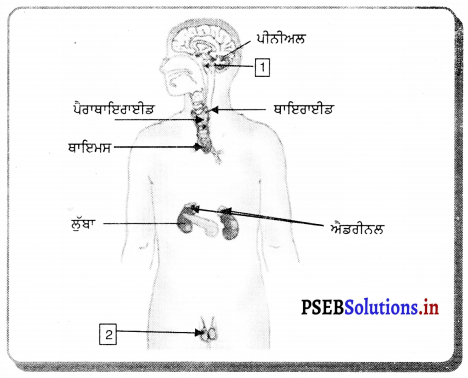
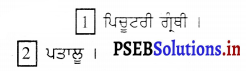
ਪ੍ਰਸ਼ਨ 38.
ਹੇਠਾਂ ਦਿੱਤੇ ਚਿੱਤਰ ਵਿੱਚ  ਲੇਬਲ ਕਰੋ ।
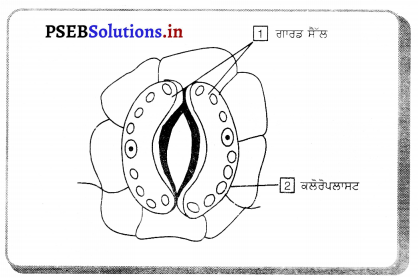
ਉੱਤਰ-

ਪ੍ਰਸ਼ਨ 39.
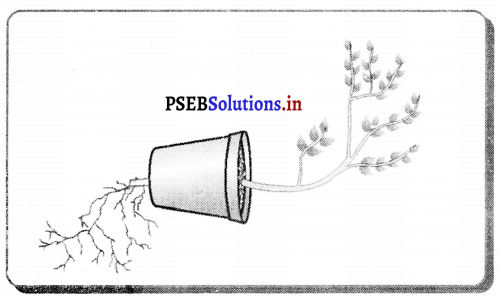
ਦਿੱਤੇ ਹੋਏ ਰੁੱਖ ਵਿਚ ਕਿਹੜੀ ਕਿਰਿਆ ਹੋ ਰਹੀ ਹੈ ? ਉਸ ਕਿਰਿਆ ਦਾ ਨਾਂ ਲਿਖੋ ।
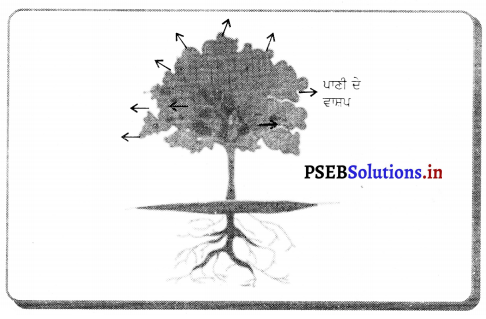
ਉੱਤਰ-
ਵਾਸ਼ਪ ਉਤਸਰਜਨ ਕਿਰਿਆ ।
ਵਸਤੂਨਿਸ਼ਠ ਪ੍ਰਸ਼ਨ (Objective Type Questions)
ਪ੍ਰਸ਼ਨ 1.
ਮਨੁੱਖ ਵਿਚ ਗੁਰਦੇ ਇੱਕ ਪ੍ਰਣਾਲੀ ਦਾ ਭਾਗ ਹਨ ਜੋ ਸੰਬੰਧਿਤ ਹੈ :
(a) ਪੋਸ਼ਣ
(b) ਸਾਹ ਕਿਰਿਆ
(c) ਮਲ-ਤਿਆਗ
(d) ਪਰਿਵਹਿਨ ।
ਉੱਤਰ-
(c) ਮਲ-ਤਿਆਗ ।
ਪ੍ਰਸ਼ਨ 2.
ਪੌਦਿਆਂ ਵਿੱਚ ਜ਼ਾਈਲਮ ਦਾ ਕੰਮ ਹੈ :
(a) ਪਾਣੀ ਦਾ ਪਰਿਵਹਿਨ
(b) ਭੋਜਨ ਦਾ ਪਰਿਵਹਿਨ
(c) ਅਮੀਨੋ ਤੇਜ਼ਾਬ ਦਾ ਪਰਿਵਹਿਨ
(d) ਆਕਸੀਜਨ ਦਾ ਪਰਿਵਹਿਨ ।
ਉੱਤਰ-
(a) ਪਾਣੀ ਦਾ ਪਰਿਵਹਿਨ ।
ਪ੍ਰਸ਼ਨ 3.
ਸਵੈਪੋਸ਼ੀ ਪੋਸ਼ਣ ਲਈ ਜ਼ਰੂਰੀ ਹੈ :
(a) ਕਾਰਬਨ-ਡਾਈਆਕਸਾਈਡ ਅਤੇ ਪਾਣੀ
(b) ਕਲੋਰੋਫਿਲ
(c) ਸੂਰਜ ਦਾ ਪ੍ਰਕਾਸ਼
(d) ਉਪਰੋਕਤ ਸਾਰੇ ।
ਉੱਤਰ-
(d) ਉਪਰੋਕਤ ਸਾਰੇ ।
ਪ੍ਰਸ਼ਨ 4.
ਪਾਇਰੂਵੇਟ ਦੇ ਵਿਖੰਡਨ ਨਾਲ ਕਾਰਬਨ-ਡਾਈਆਕਸਾਈਡ, ਪਾਣੀ ਅਤੇ ਤਾਪ ਊਰਜਾ ਦੇਣ ਦੀ ਪ੍ਰਤੀਕਿਰਿਆ ਵਾਪਰਦੀ ਹੈ :
(a) ਸਾਈਟੋਪਲਾਜ਼ਮ ਵਿੱਚ
(b) ਮਾਈਟੋਕਾਨਡਰੀਆ ਵਿੱਚ
(c) ਕਲੋਰੋਪਲਾਸਟ ਵਿੱਚ
(d) ਨਿਊਕਲੀਅਸ ਵਿੱਚ ।
ਉੱਤਰ-
(b) ਮਾਈਟੋਕਾਨਡਰੀਆ ਵਿੱਚ ।
ਪ੍ਰਸ਼ਨ 5.
ਹਰੇ ਪੌਦਿਆਂ ਵਿੱਚ ਪੋਸ਼ਣ ਹੁੰਦਾ ਹੈ
(a) ਸਵੈਪੋਸ਼ੀ
(b) ਵਿਖਮਪੋਸ਼ੀ
(c) ਪਰਪੋਸ਼ੀ
(d) ਮ੍ਰਿਤਪੋਸ਼ੀ ।
ਉੱਤਰ-
(a) ਸਵੈਪੋਸ਼ੀ ।
ਪ੍ਰਸ਼ਨ 6.
ਸਾਹ ਕਿਰਿਆ ਵਿੱਚ ਪੌਦਿਆਂ ਤੋਂ ਮੁਕਤ ਹੁੰਦੀ ਹੈ-
(a) ਆਕਸੀਜਨ
(b) ਕਾਰਬਨ-ਡਾਈਆਕਸਾਈਡ
(c) ਜਲਵਾਸ਼ਪ
(d) ਉੱਪਰ ਦਿੱਤੇ ਸਾਰੇ ।
ਉੱਤਰ-
(b) ਕਾਰਬਨ-ਡਾਈਆਕਸਾਈਡ ।
ਪ੍ਰਸ਼ਨ 7.
ਅਨ-ਆਕਸੀ ਸਾਹ ਕਿਰਿਆ ਦੇ ਫਲਸਰੂਪ ਲੈਕਟਿਕ ਅਮਲ ਬਣਦਾ ਹੈ-
(a) ਯੀਸਟ ਵਿੱਚ
(b) ਖੰਭ ਸੈੱਲਾਂ ਵਿੱਚ
(c) ਪੇਸ਼ੀ ਸੈੱਲਾਂ ਵਿੱਚ ।
(d) ਫੇਫੜਿਆਂ ਵਿੱਚ ।
ਉੱਤਰ-
(c) ਪੇਸ਼ੀ ਸੈੱਲਾਂ ਵਿੱਚ ।
ਖ਼ਾਲੀ ਥਾਂਵਾਂ ਭਰਨਾ
ਪ੍ਰਸ਼ਨ-ਹੇਠ ਲਿਖੀਆਂ ਖ਼ਾਲੀ ਥਾਂਵਾਂ ਭਰੋ :
(i) ਗੁਰਦੇ ਦੀ ਇਕਾਈ ……………… ਹੈ ।
ਉੱਤਰ-
ਨੇਫਰਾਂਨ
(ii) ਪੌਦਿਆਂ ਵਿੱਚ ਗੈਸਾਂ ਦਾ ਵਟਾਂਦਰਾ ……………… ਦੁਆਰਾ ਹੁੰਦਾ ਹੈ ।
ਉੱਤਰ-
ਸਟੋਮੈਟਾ (Stomata)
(iii) ……………… ਸੁਆਸ ਕਿਰਿਆ ਨਾਲ ਜੀਵਾਂ ਨੂੰ ਜ਼ਿਆਦਾ ਉਰਜਾ ਪ੍ਰਾਪਤ ਹੁੰਦੀ ਹੈ ।
ਉੱਤਰ-
ਆਕਸੀ
(iv) ਫੇਫੜੇ ਵਿੱਚ …………………….. ਖ਼ੂਨ ਤੋਂ ਵੱਖ ਹੋ ਜਾਂਦੀ ਹੈ ।
ਉੱਤਰ-
CO2
(v) ਖ਼ੂਨ ਦੀ ਨਾਲੀਆਂ ਦੀ ਵਿੱਤੀ ਦੇ ਉਲਟ ਜਿਹੜਾ ਦਾਬ ਲਗਦਾ ਹੈ, ਉਸ ਨੂੰ ……………………. ਆਖਦੇ ਹਨ ।
ਉੱਤਰ-
ਖੂਨ ਦਾਬ ।
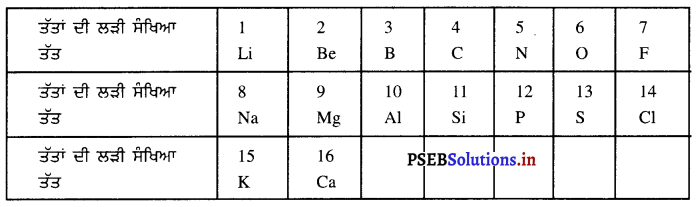














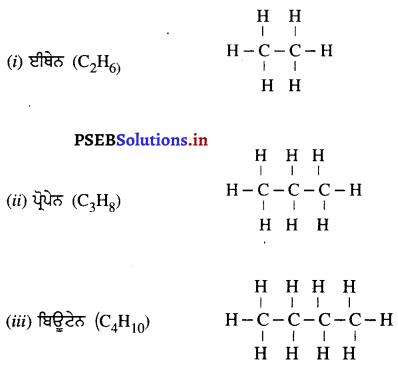
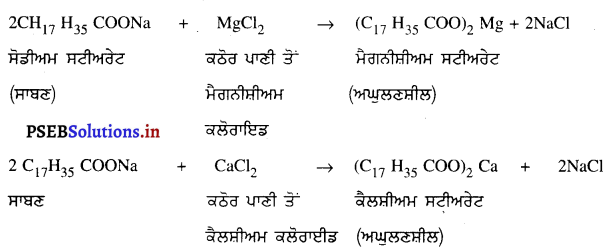

 COONa ਹੁੰਦੀ ਹੈ ।
 SONa ਹੈ ।
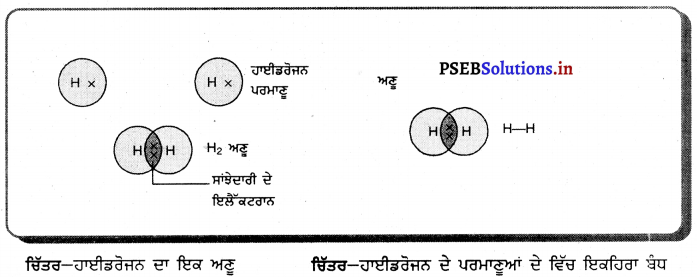
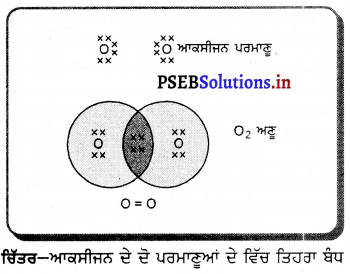
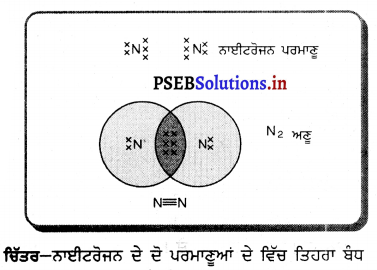
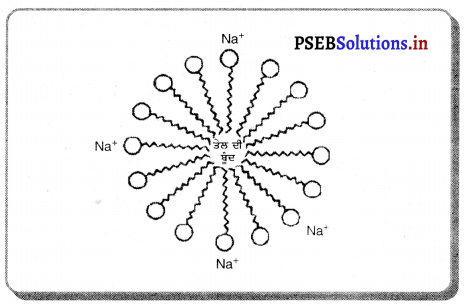
 ਨੂੰ ਅੰਕਿਤ ਵੀ ਕਰੋ ।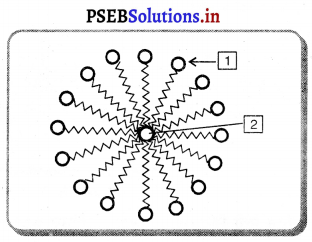
 ਜਲ ਸਨੇਹੀ (ਹਾਈਡਰੋਫੋਬਿਕ ਸਿਰਾ)
 ਜਲ ਵਿਰੋਧੀ (ਹਾਈਡਰੋਫਿਲਿਕ ਸਿਰਾ) ।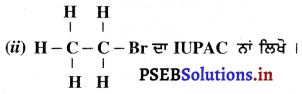
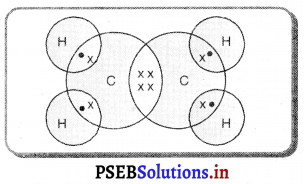
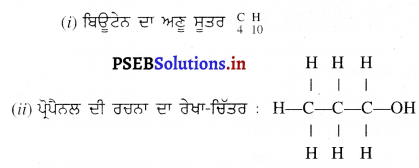
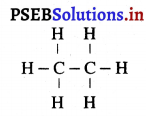
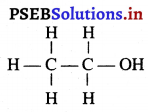
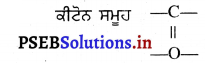
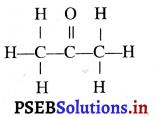
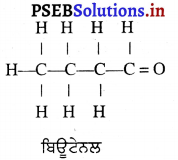
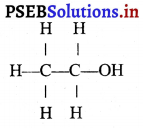

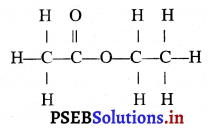
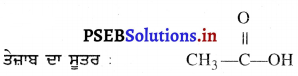
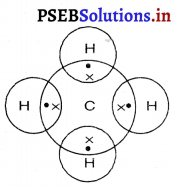
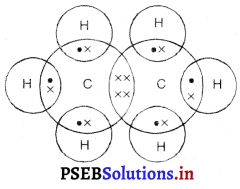
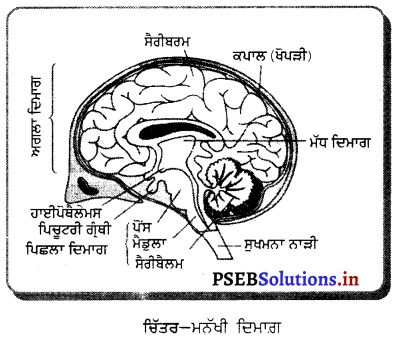
 ਨੂੰ ਅੰਕਿਤ ਕਰੋ ।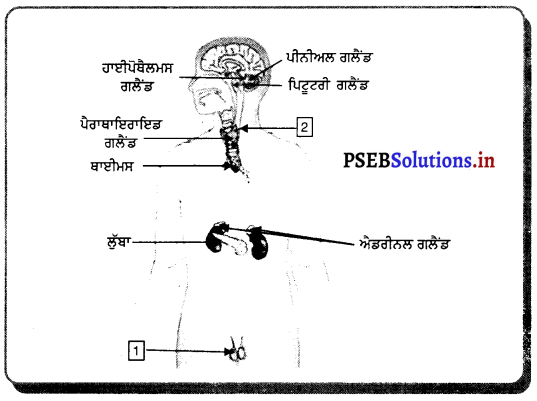

 ਅੰਕਿਤ ਕਰੋ ।